Summer AI Lab 2026: building your own AI assistant for everyday work
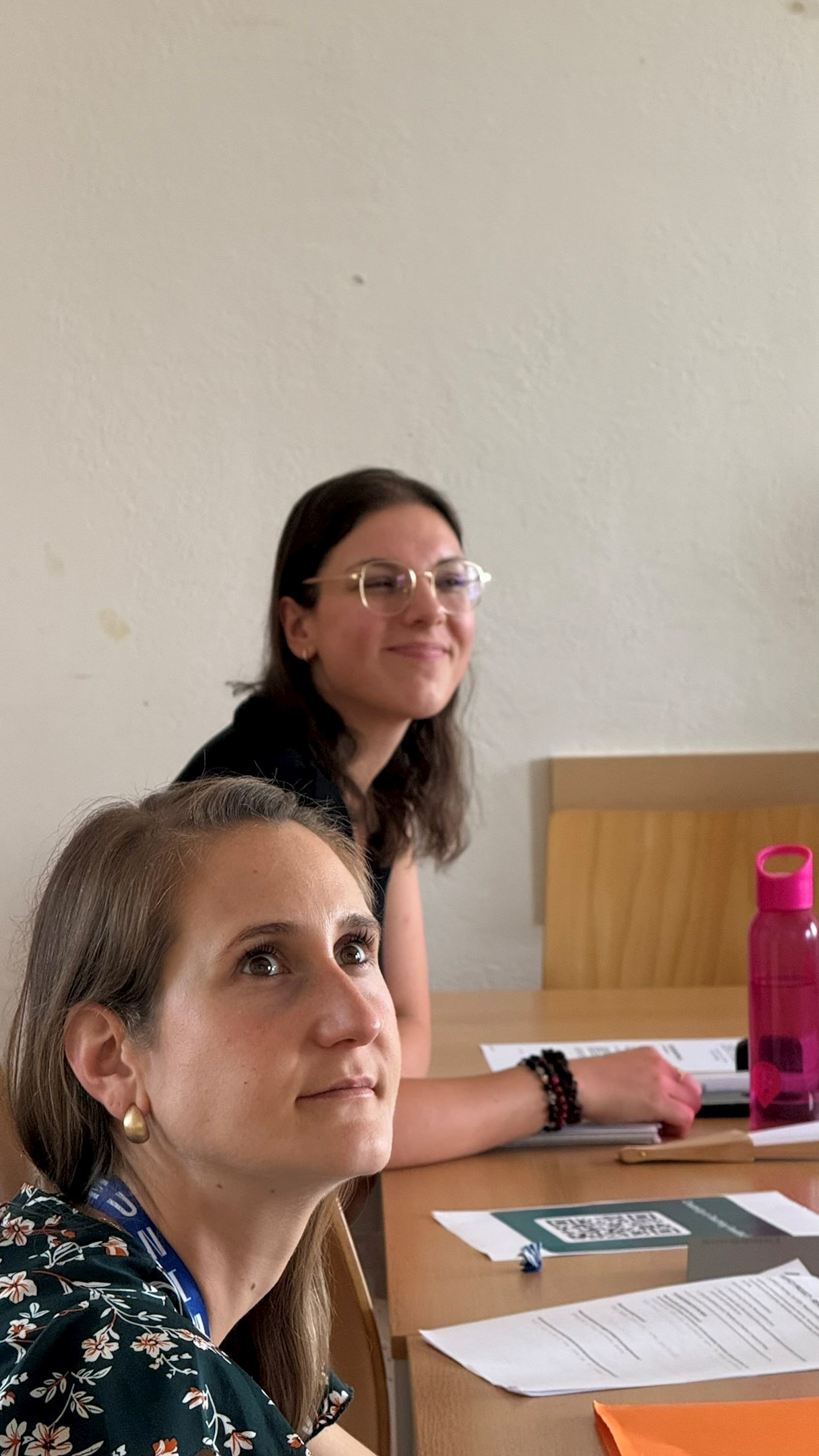
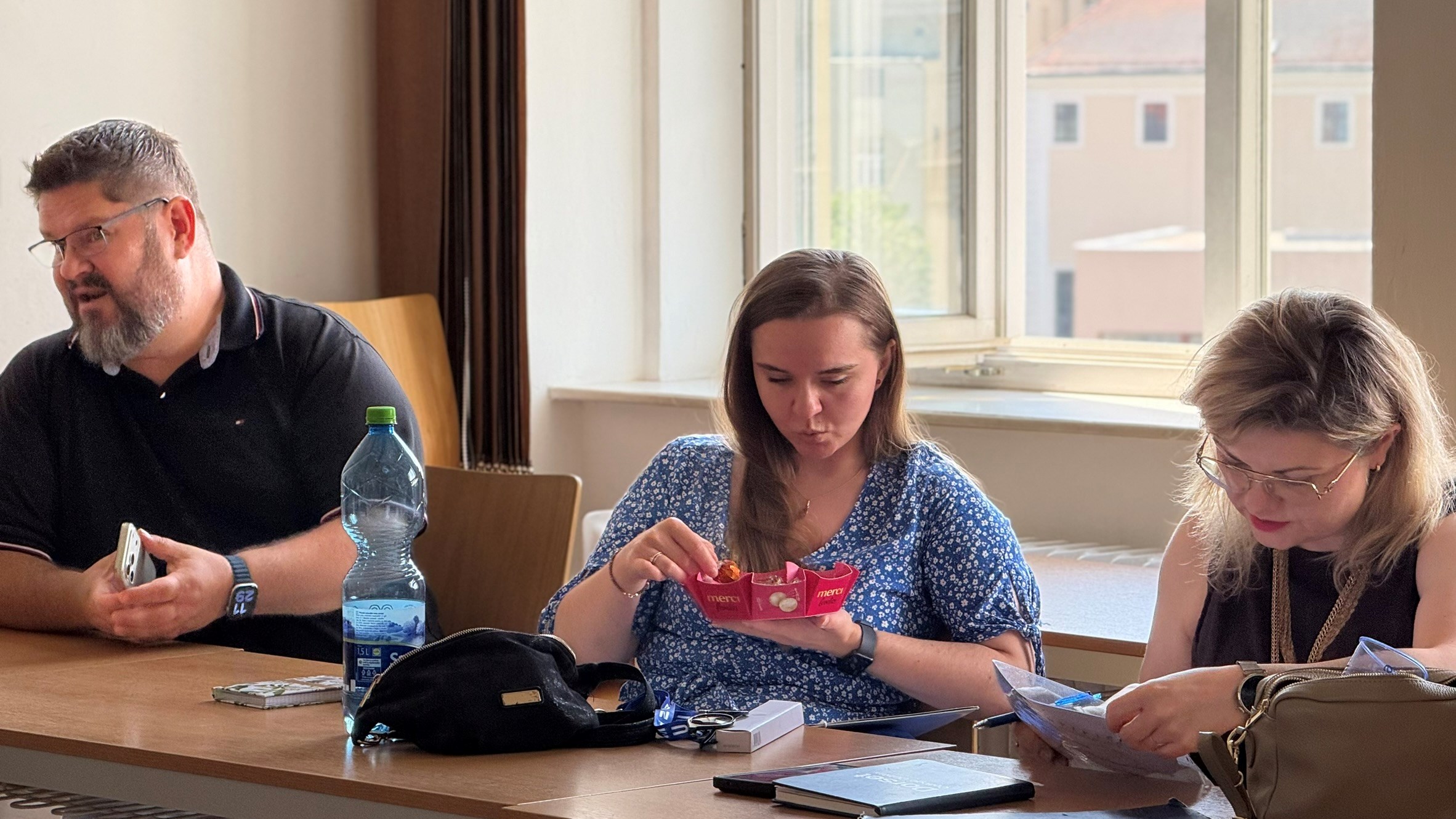
In July 2026, we ran two rounds of our Summer AI Lab at the Masaryk University Language Centre. This intensive week-long course focused on agentic AI and on how participants can build their own AI assistant for their everyday work. The course was part of our wider summer school season, which brought together people from 41 institutions and 18 countries.
Two rounds, one theme: agentic AI
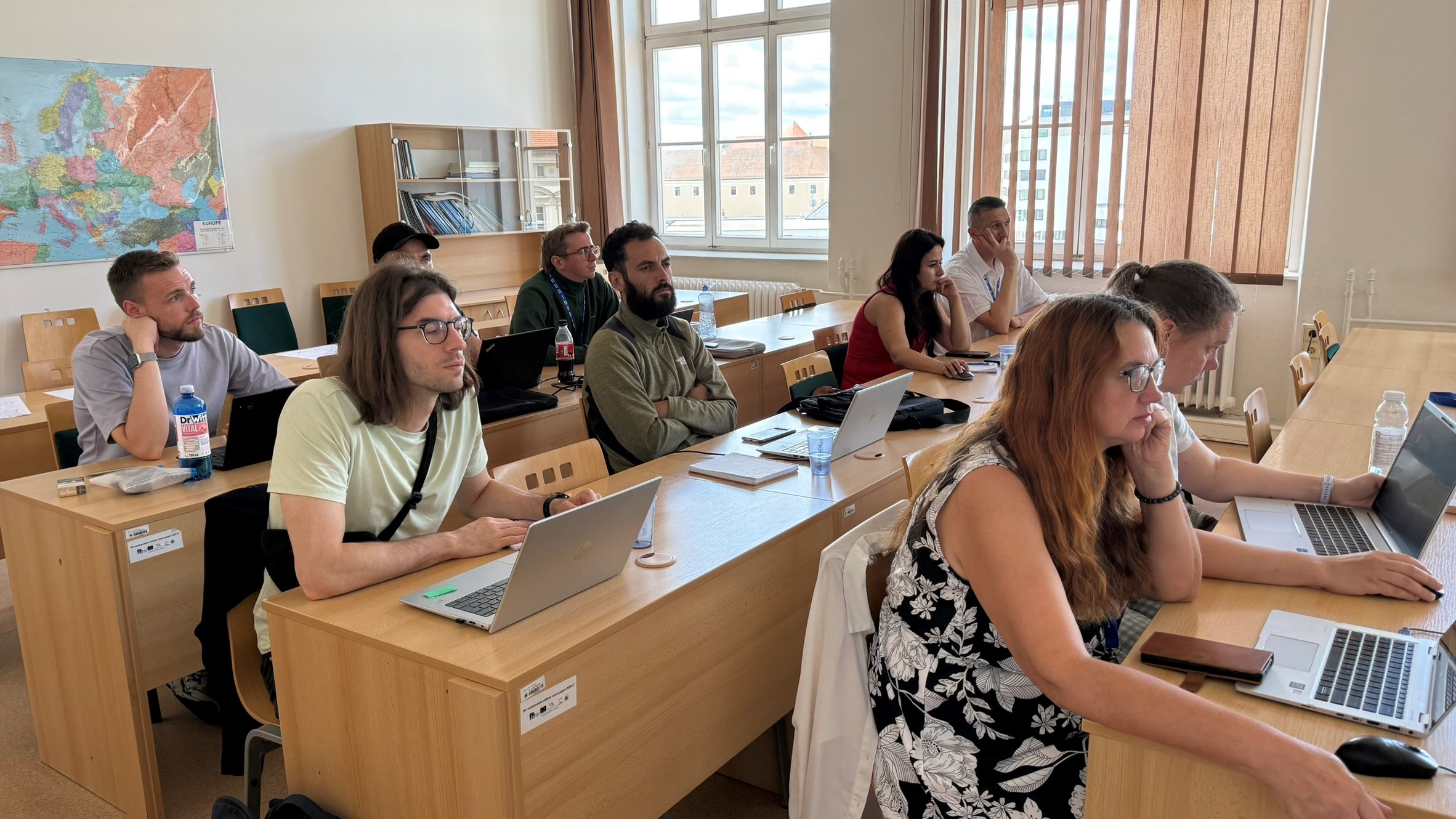
Summer AI Lab took place in two terms — 6–10 July and 13–17 July — with 43 participants in total. Both rounds filled up, the second week to the very last seat with 22 participants. In the first week, we split the course into two smaller groups so that we could give everyone as much individual attention as possible.
This year's theme was agentic AI — systems that can plan, act, and support people in their work on their own. We designed the programme to be highly practical, with the emphasis on each participant leaving with a concrete tool they could use as soon as they got back to the office.
Hands-on work in the classroom
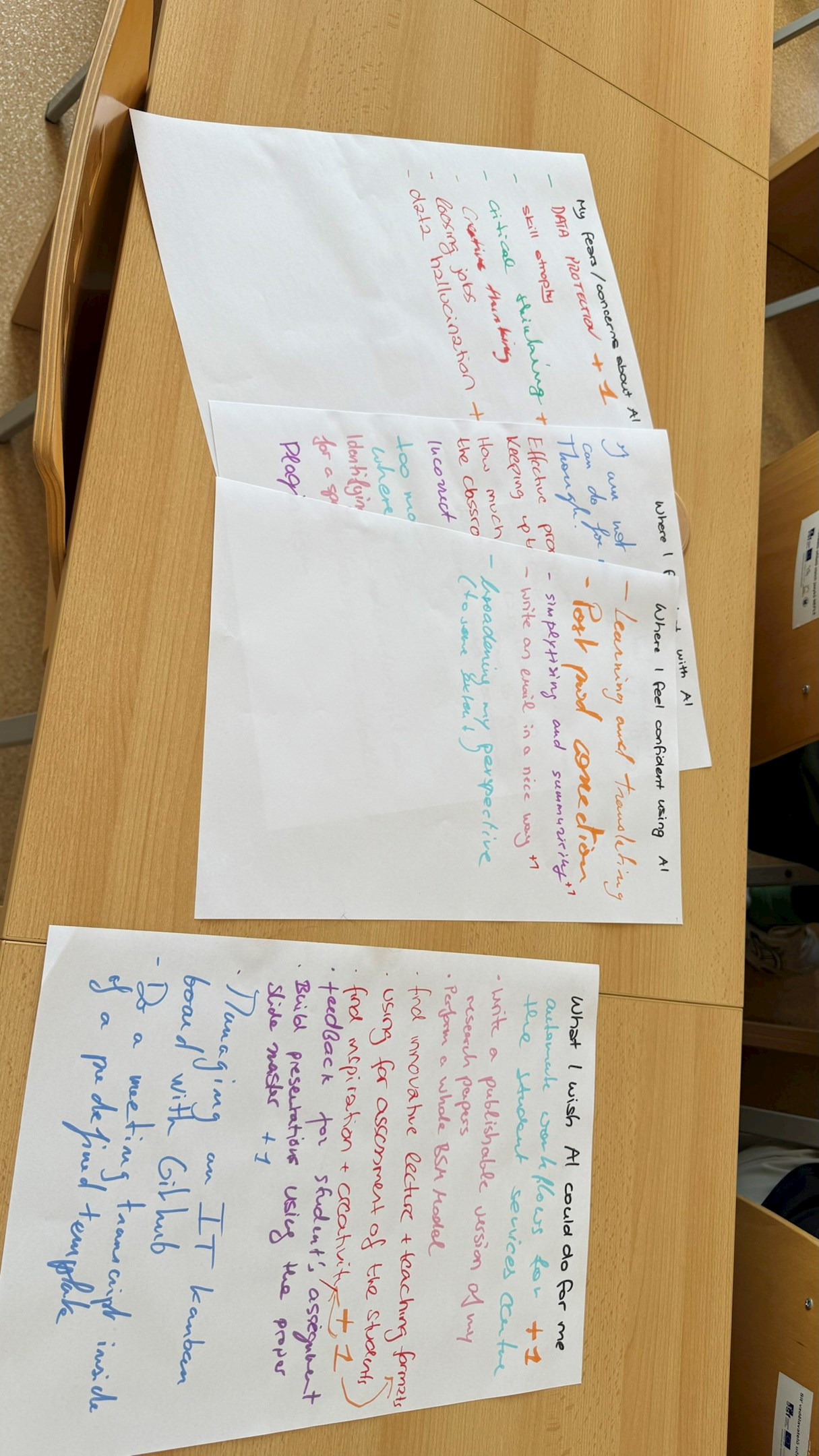
The heart of the course was building things. Participants created their own chatbots and assistants for everyday tasks — scheduling, document management, email, and reporting — and gradually connected them to the processes they already use. Alongside building the assistants, the programme covered:
- the fundamentals of agentic AI and how it differs from standard AI tools,
- prompt engineering and workflow automation,
- using AI in daily administration and in data-driven decision-making,
- security, data protection, and the responsible use of AI.
Participants worked with a range of tools, including Microsoft Copilot and Microsoft 365, ChatGPT, Claude, Gemini, and Perplexity, and explored more advanced topics such as multi-agent systems. The practical, ready-to-use skills were what they appreciated most. "I really like the courses on Copilot and Microsoft 365 tools and gaining actual practical experience with those tools e.g. Multi-agent systems," one participant noted. They then shared their creations on collaborative online boards.
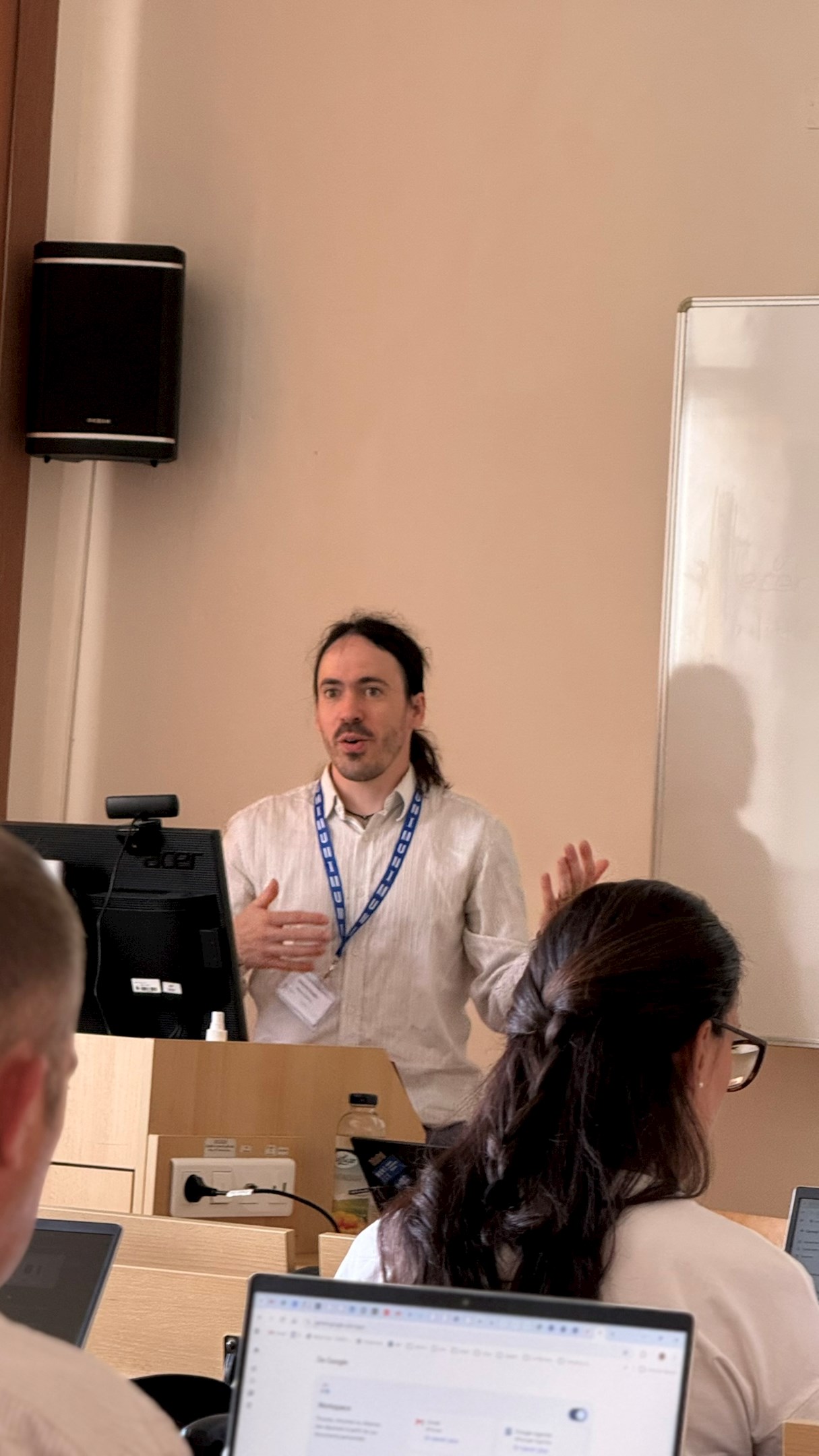
The programme was led by a team of CJV lecturers under the coordination of Kateřina Chudová; individual seminars were also prepared by Jan Klaška, Zdeněk Hruška, and Kateřina Garajová.
An international meeting across roles, languages, and cultures
Summer AI Lab was part of our 2026 summer school season, which brought together 75 participants from 41 institutions and 18 countries in total. Most came from Italy, followed by France and Germany; one participant travelled all the way from New Caledonia.
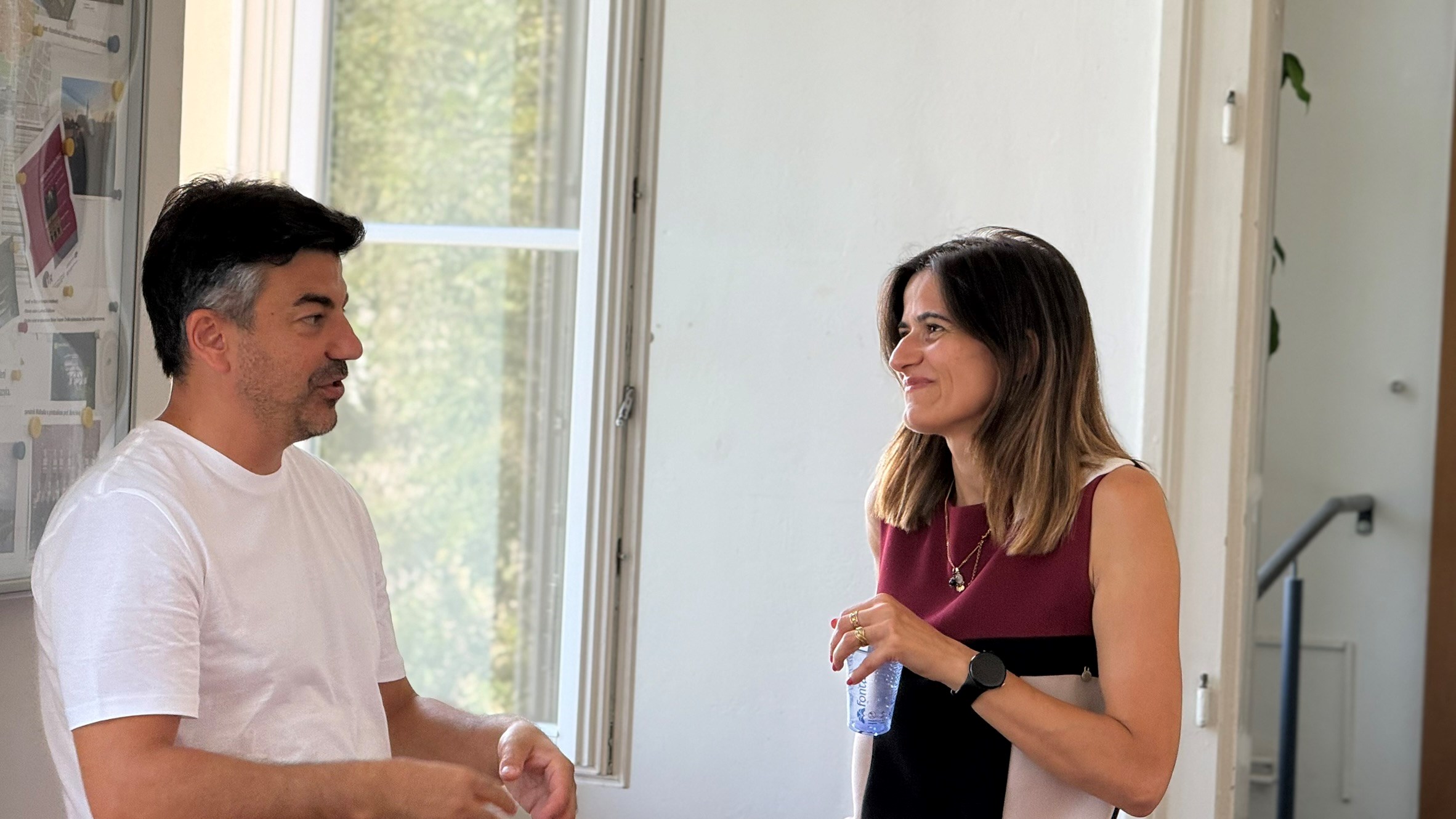
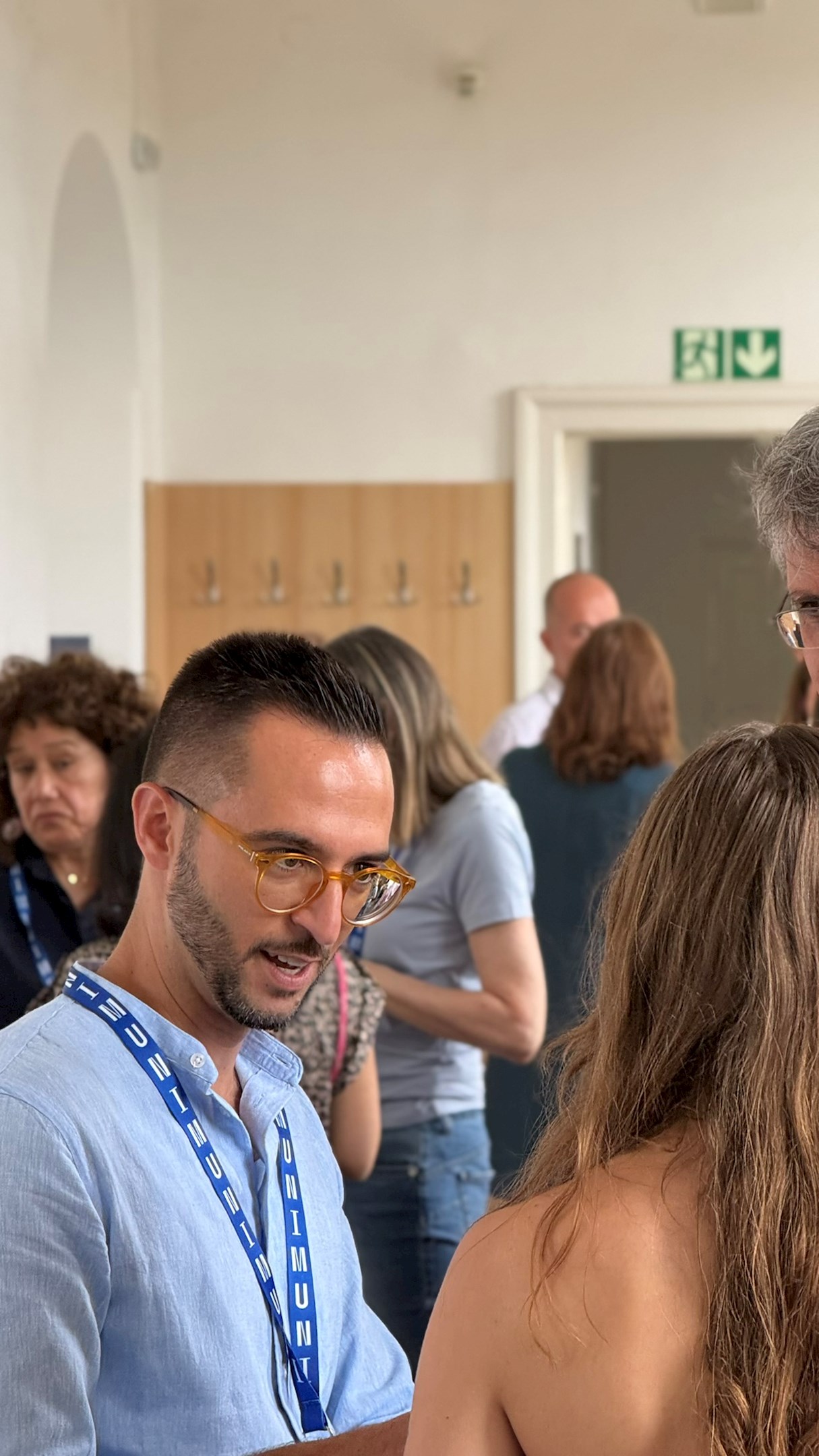
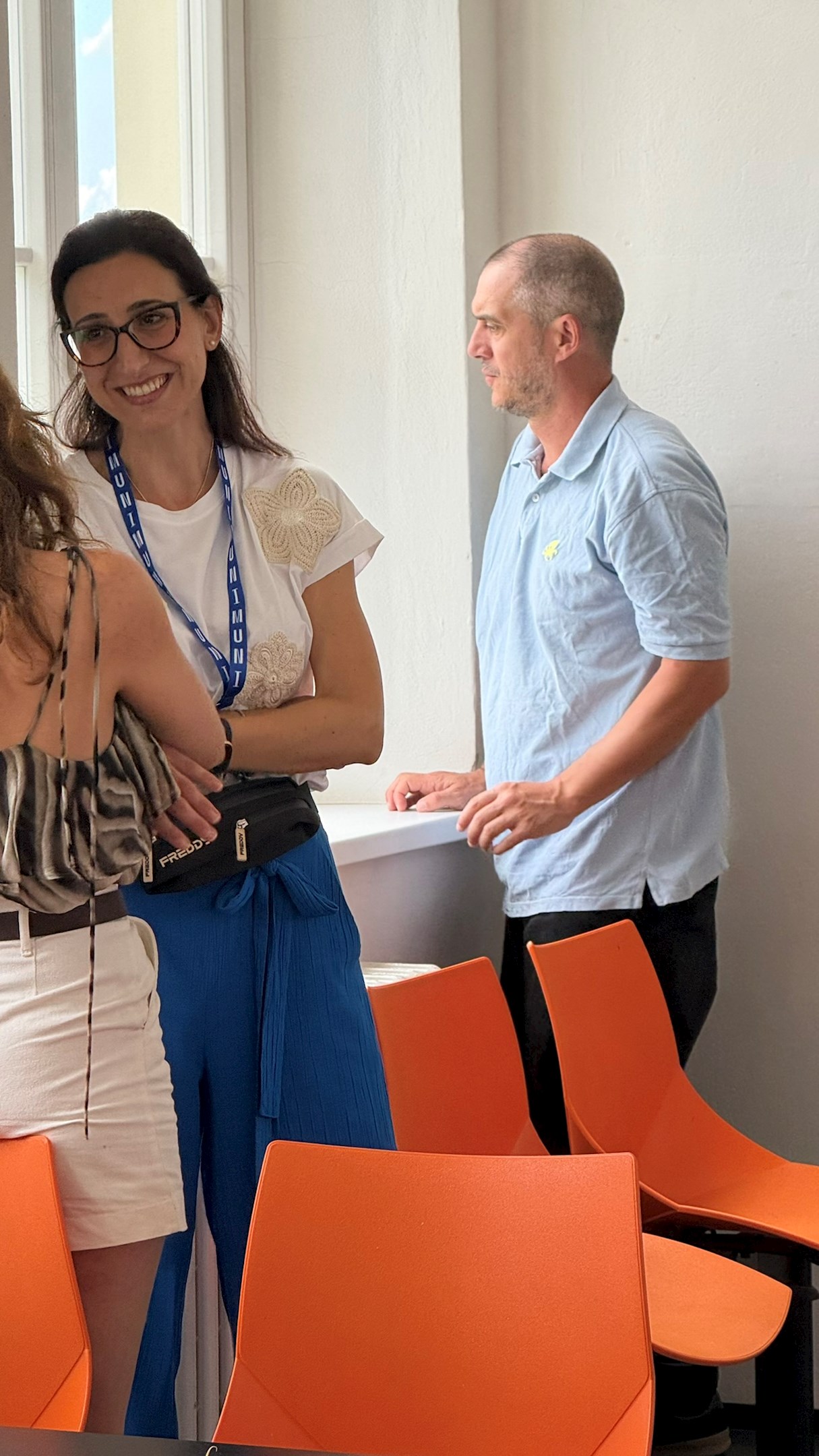
The majority were staff from universities and other institutions — administrators, managers, and teachers alike. Bringing these different roles together around one table turned out to be one of the course's greatest strengths. "I really liked the idea of bringing together both teaching and administrative staff. It created interesting discussions and different perspectives," one participant said. These discussions opened up viewpoints that rarely meet in everyday operations.
The group was also strikingly multilingual — people from many first languages working side by side, mostly in English. In a setting like that, everyday communication becomes an act of mediation: bridging languages, cultures, and ways of thinking to reach a shared understanding. That skill sits at the heart of another strand of our work — the Erasmus+ project MEDIALINGUA, in which CJV helps secondary-school teachers turn the mediation descriptors of the CEFR Companion Volume into practical classroom resources. In that sense, an international summer school like this one is a lived example of the very skill the project is built to teach.
What participants took away
The feedback was dominated by appreciation for the course's practical focus and its connection to real university work. Participants valued above all the space to try out new tools on the spot and to put them to use straight away in specific tasks. "It's been better and more interesting than I expected. I think it's been well organised and connected to all the potential activities inside the university world," one of them summed up.
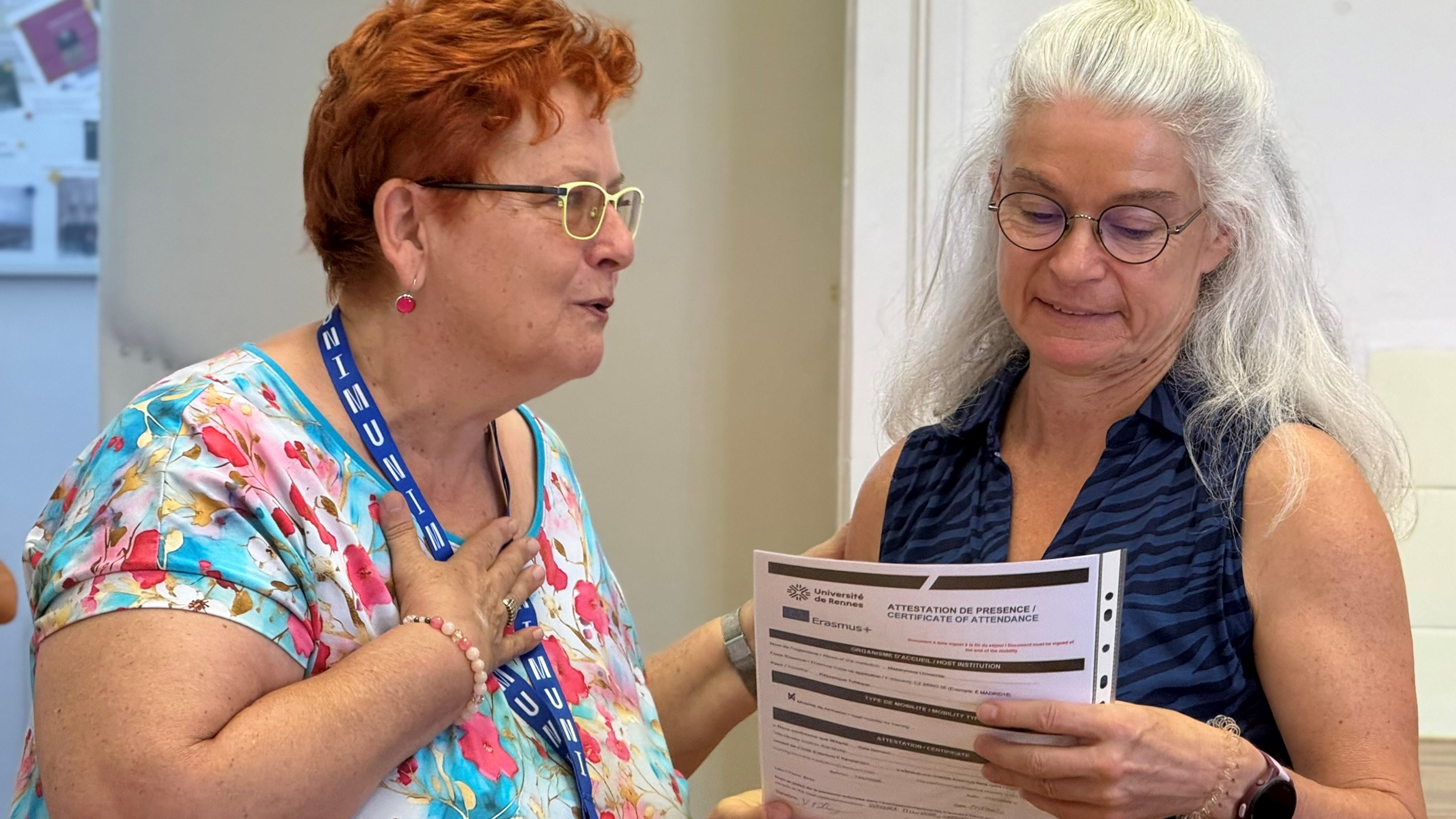
At the end of each round, participants received a certificate; across the whole summer season, we awarded 75 of them. Those who completed a final reflective presentation also earned an internationally recognised microcredential.
A summer full of languages and technology
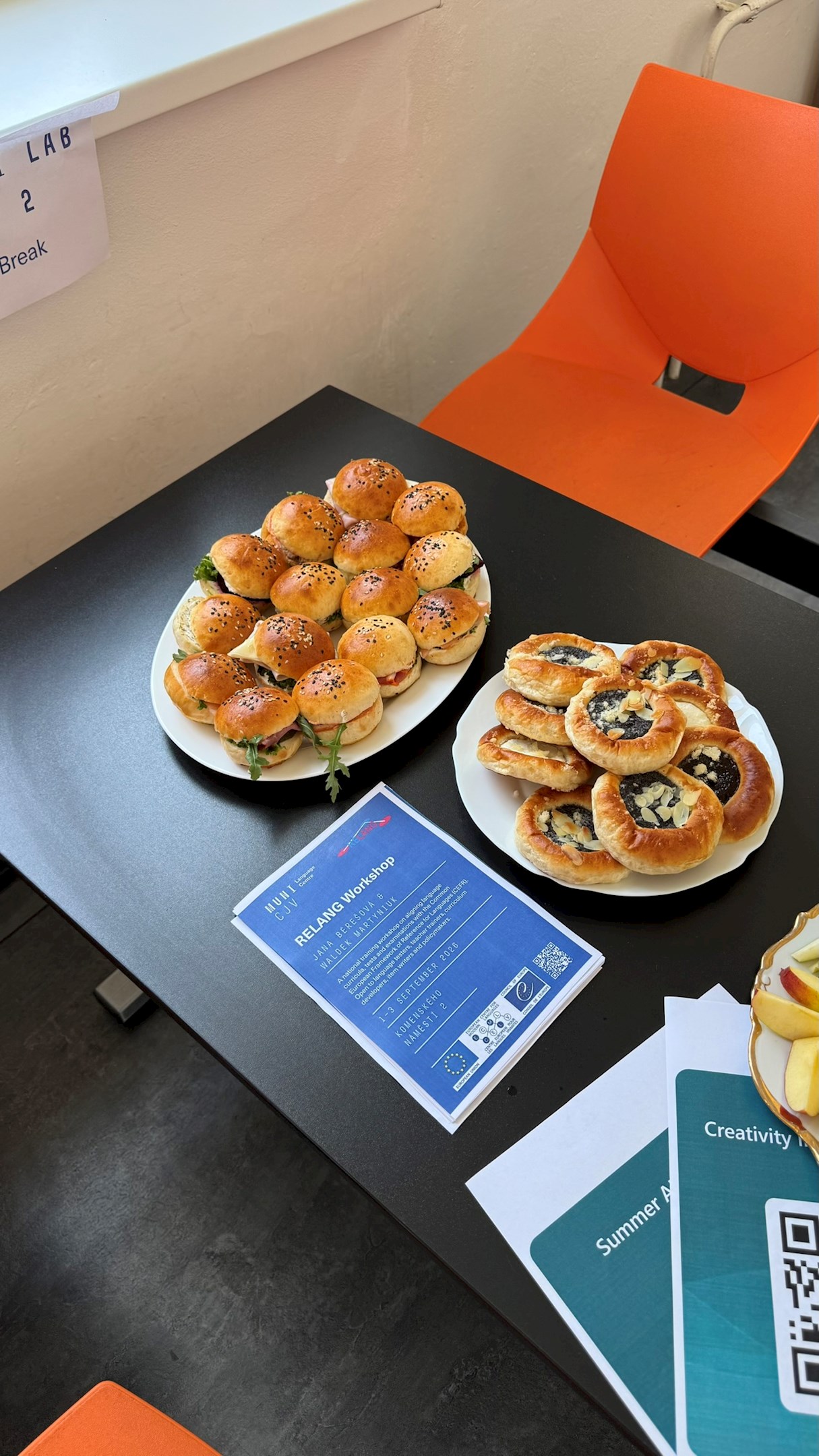
Summer AI Lab was not the only summer school we ran this year. The programme also included AI in Teaching, English for Professionals, and Creativity in Teaching. Together, they made for a rich summer season that combined language education, working with technology, and bringing together colleagues from across Europe.
Summer AI Lab 2026 thus confirmed the role of CJV summer schools as a platform that connects practical skills, international collaboration, and current trends in education and in working with artificial intelligence. We run our summer schools every year — follow us so you don't miss when registration opens for 2027.