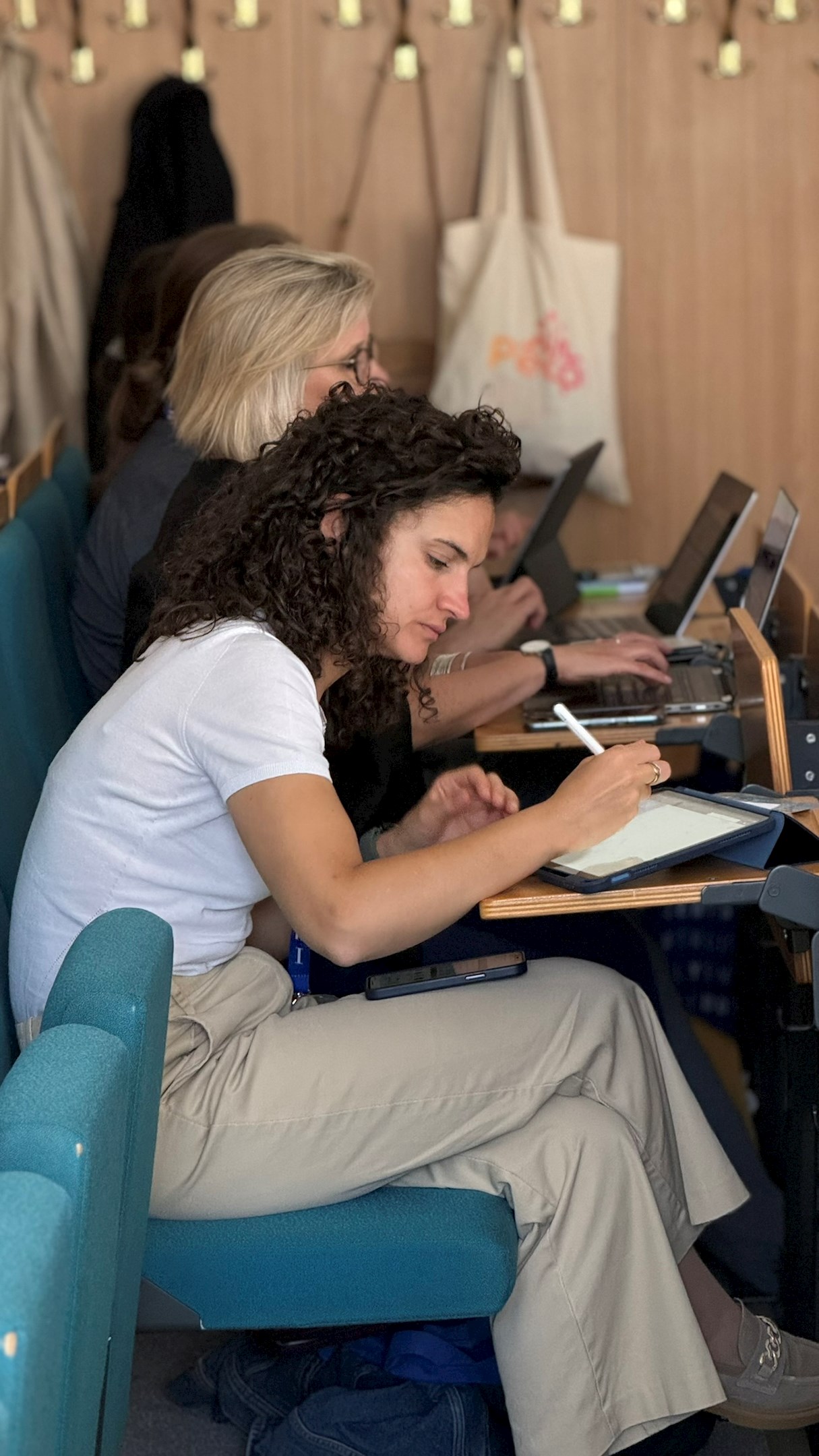
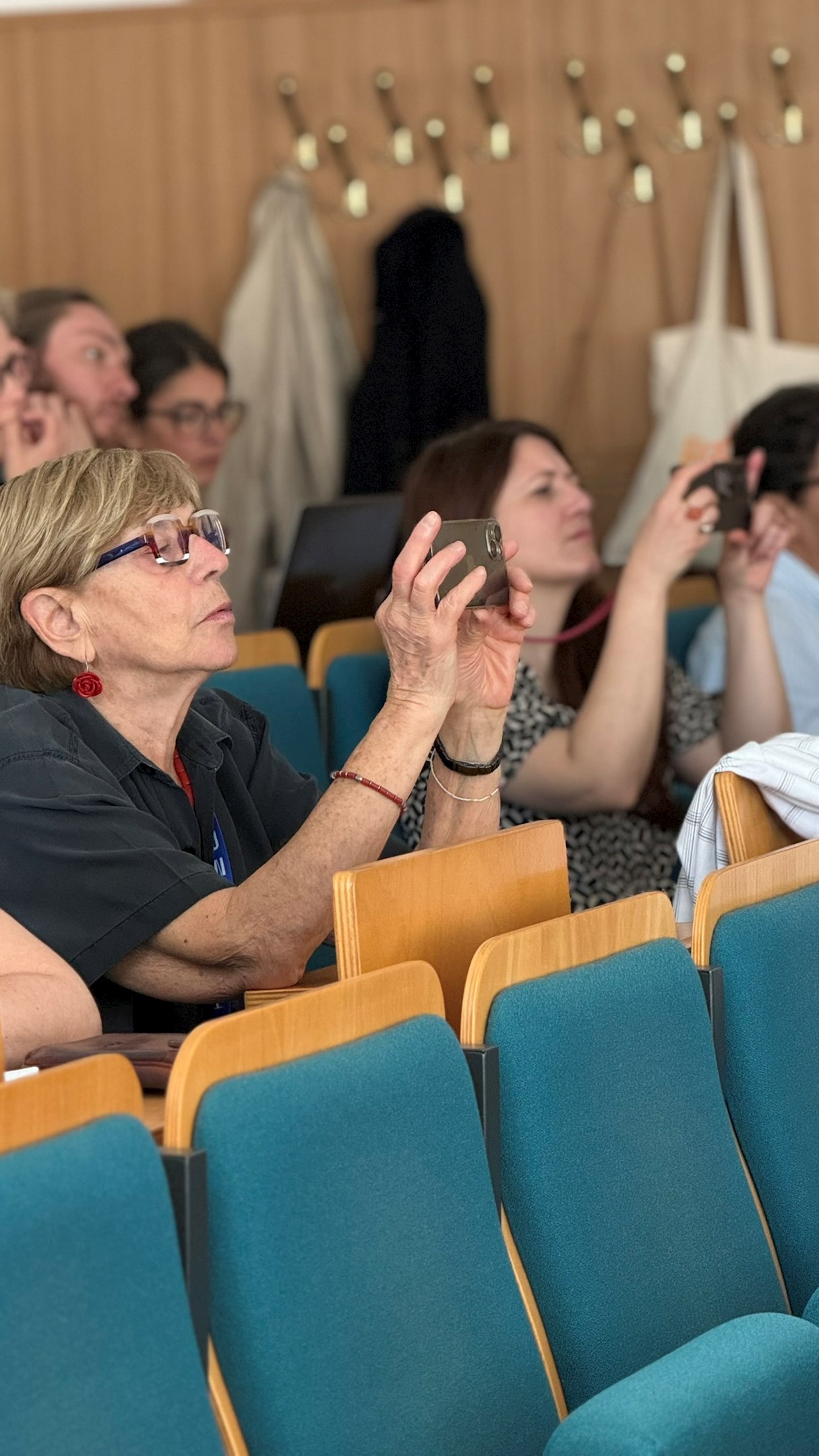
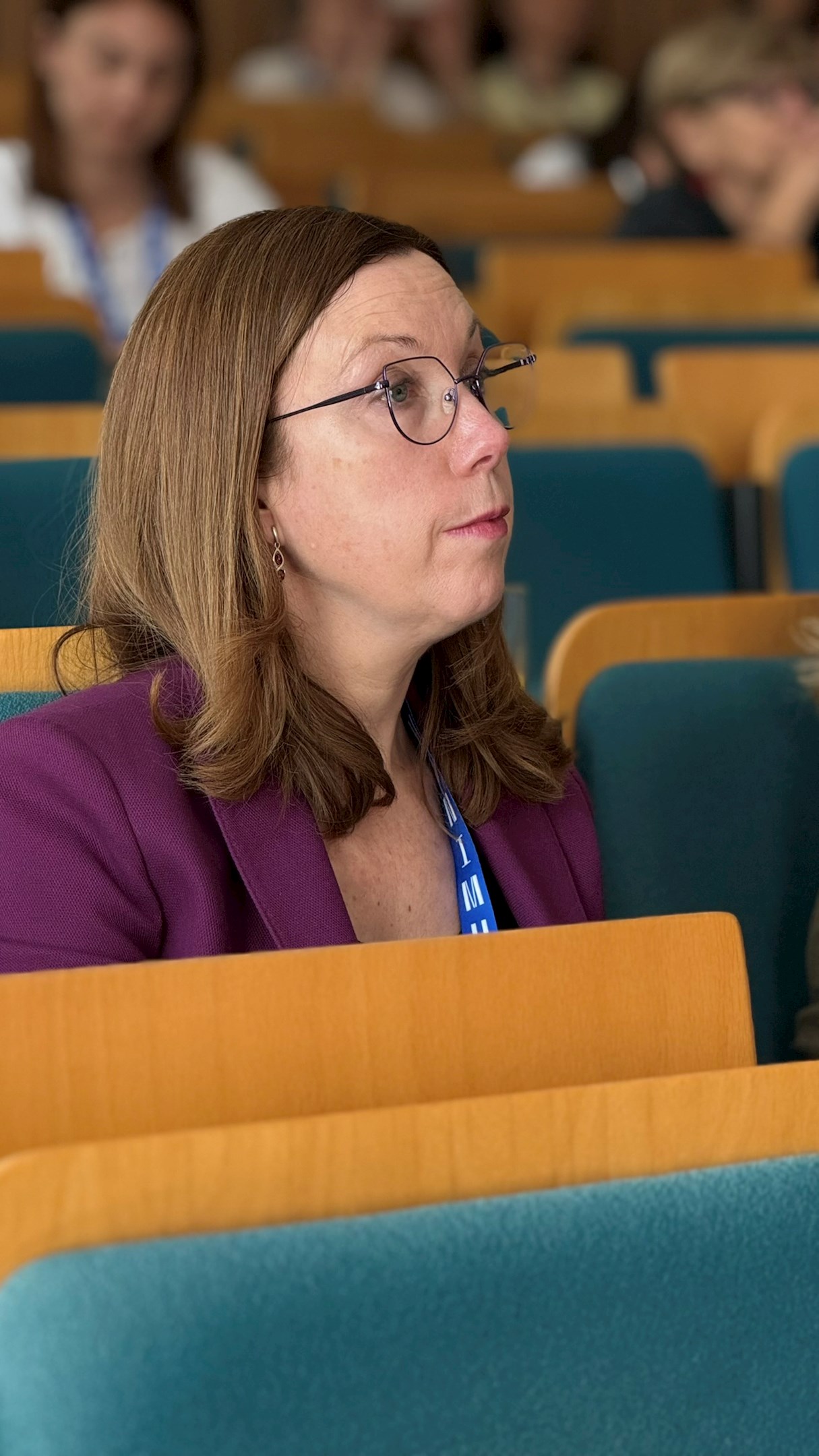
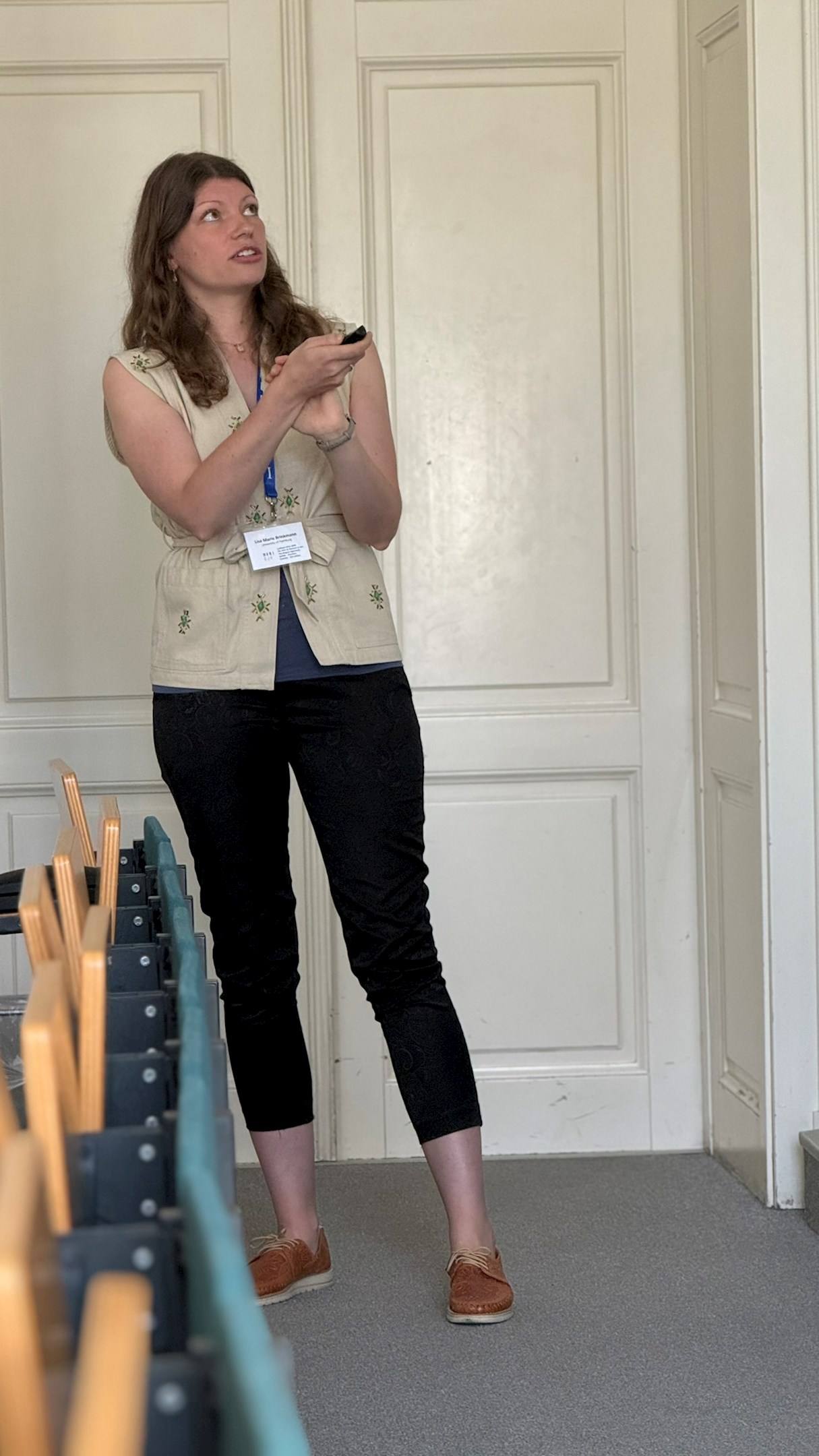
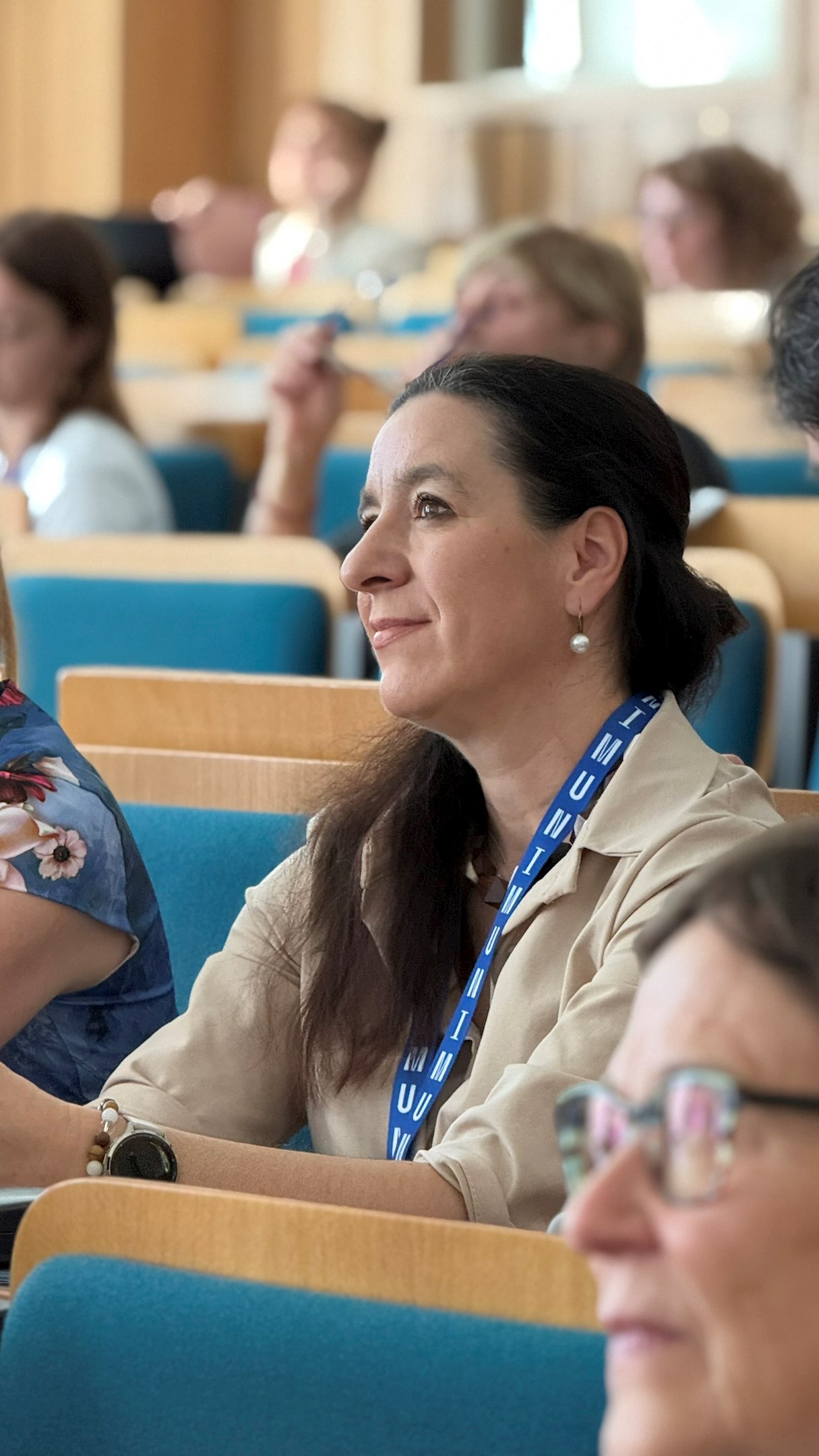
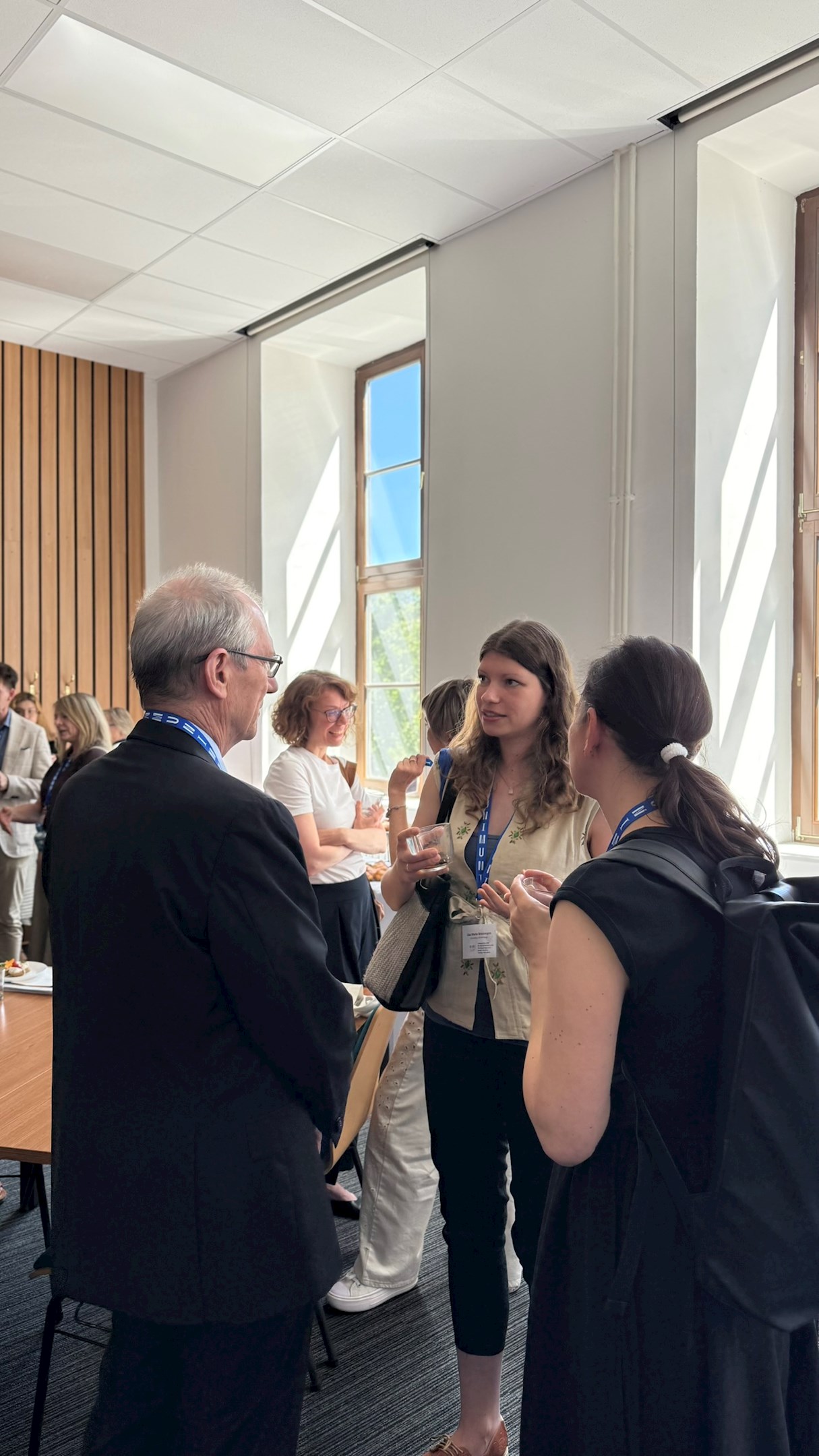
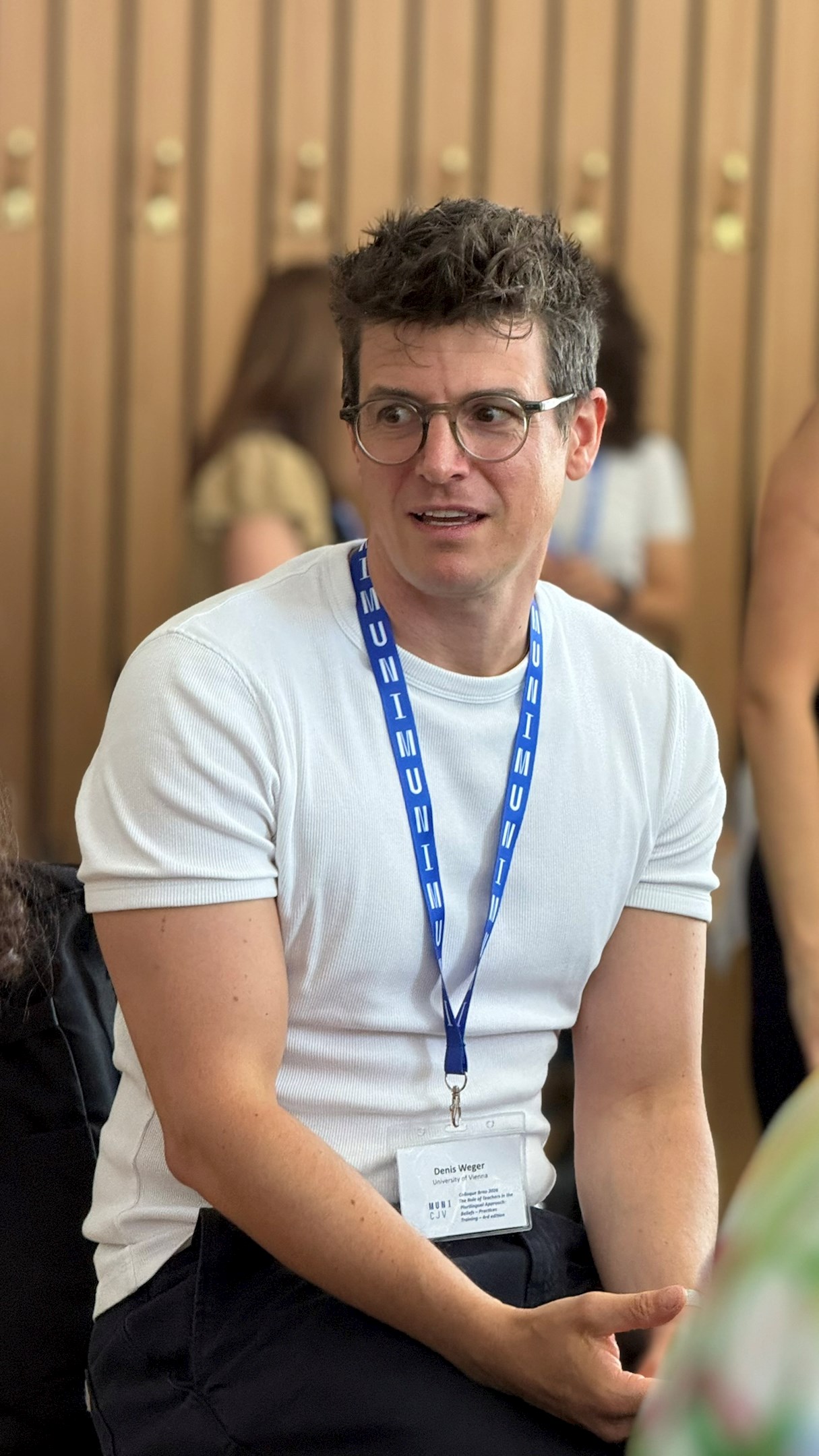
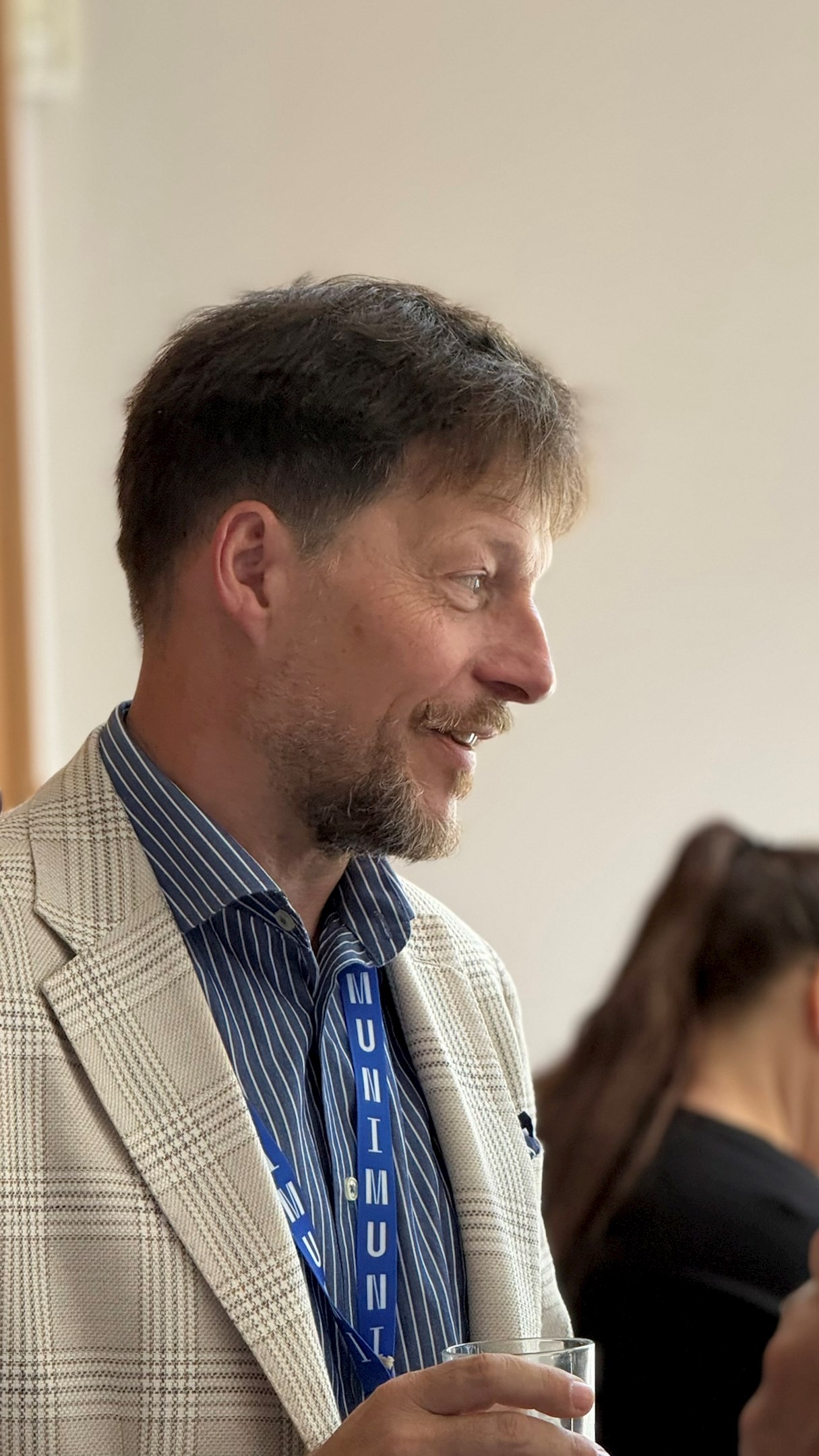
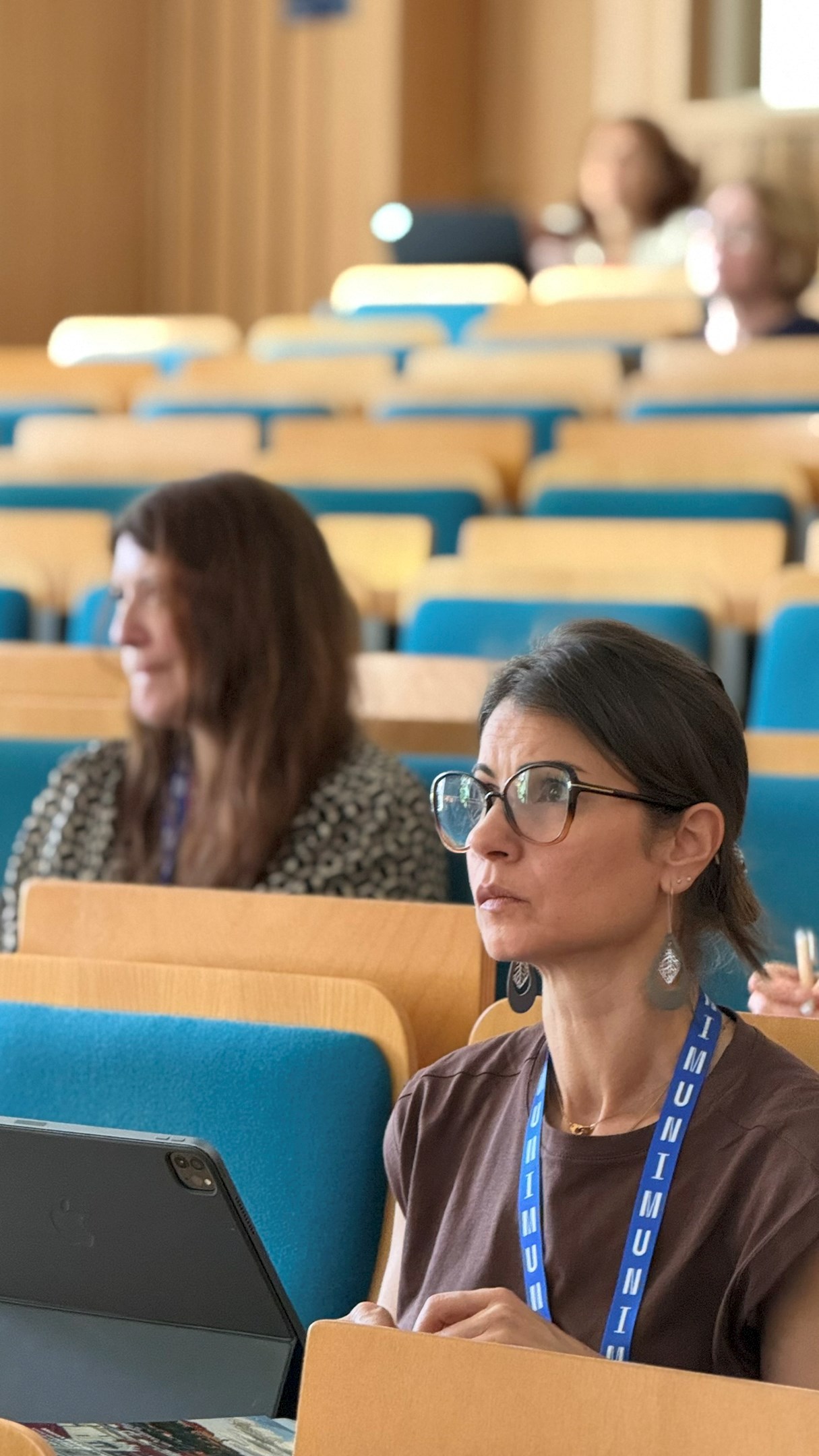
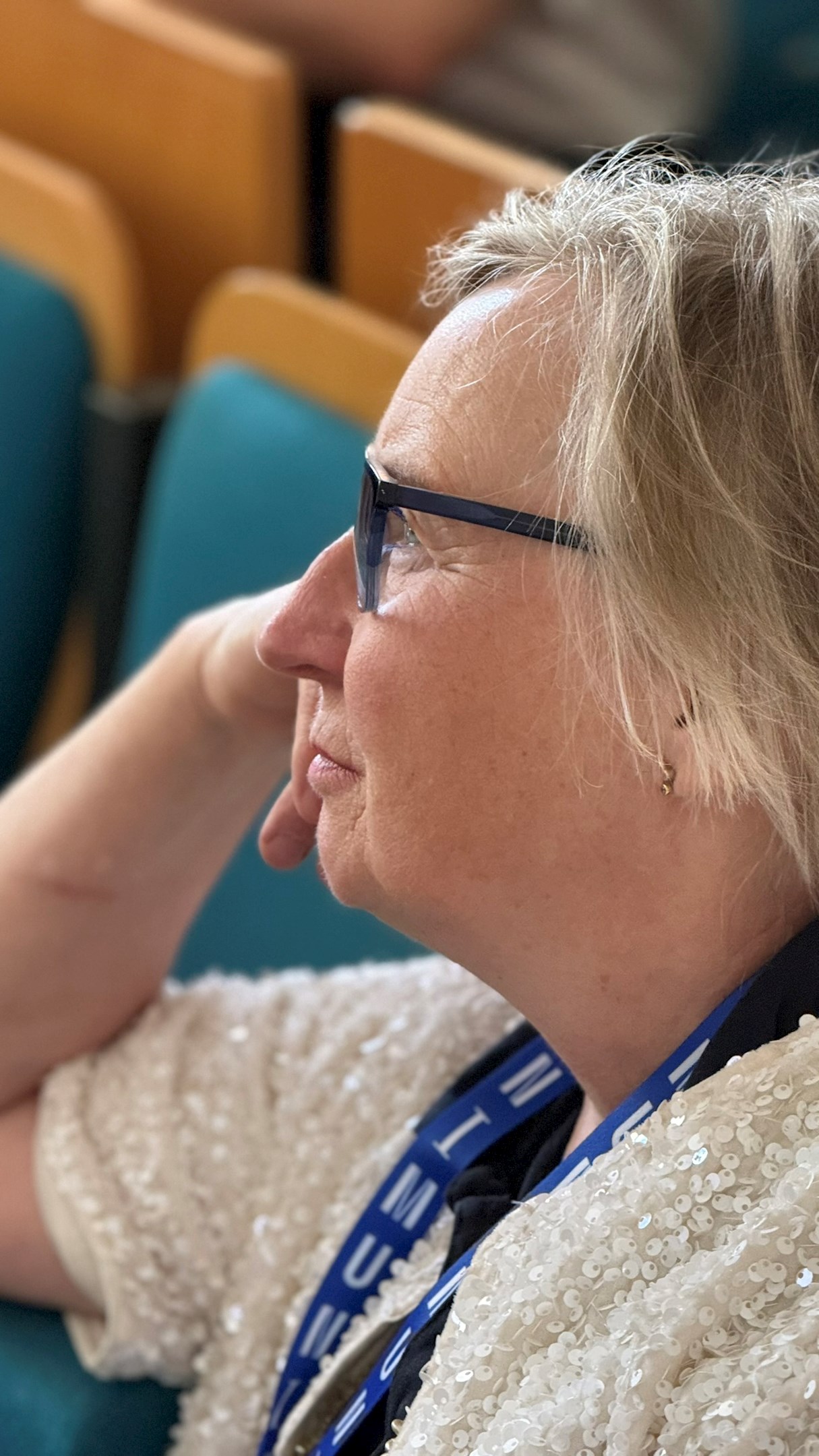
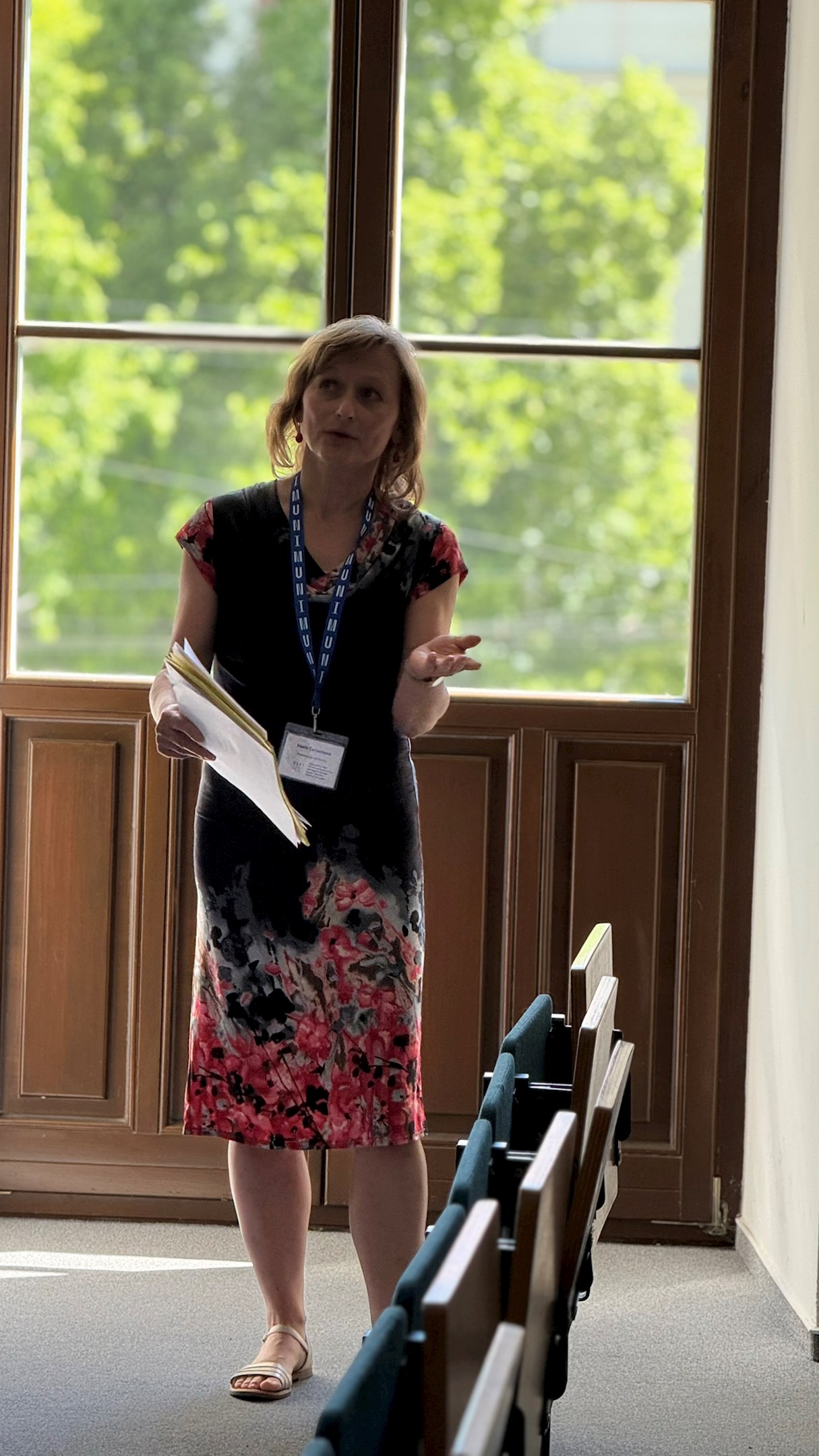
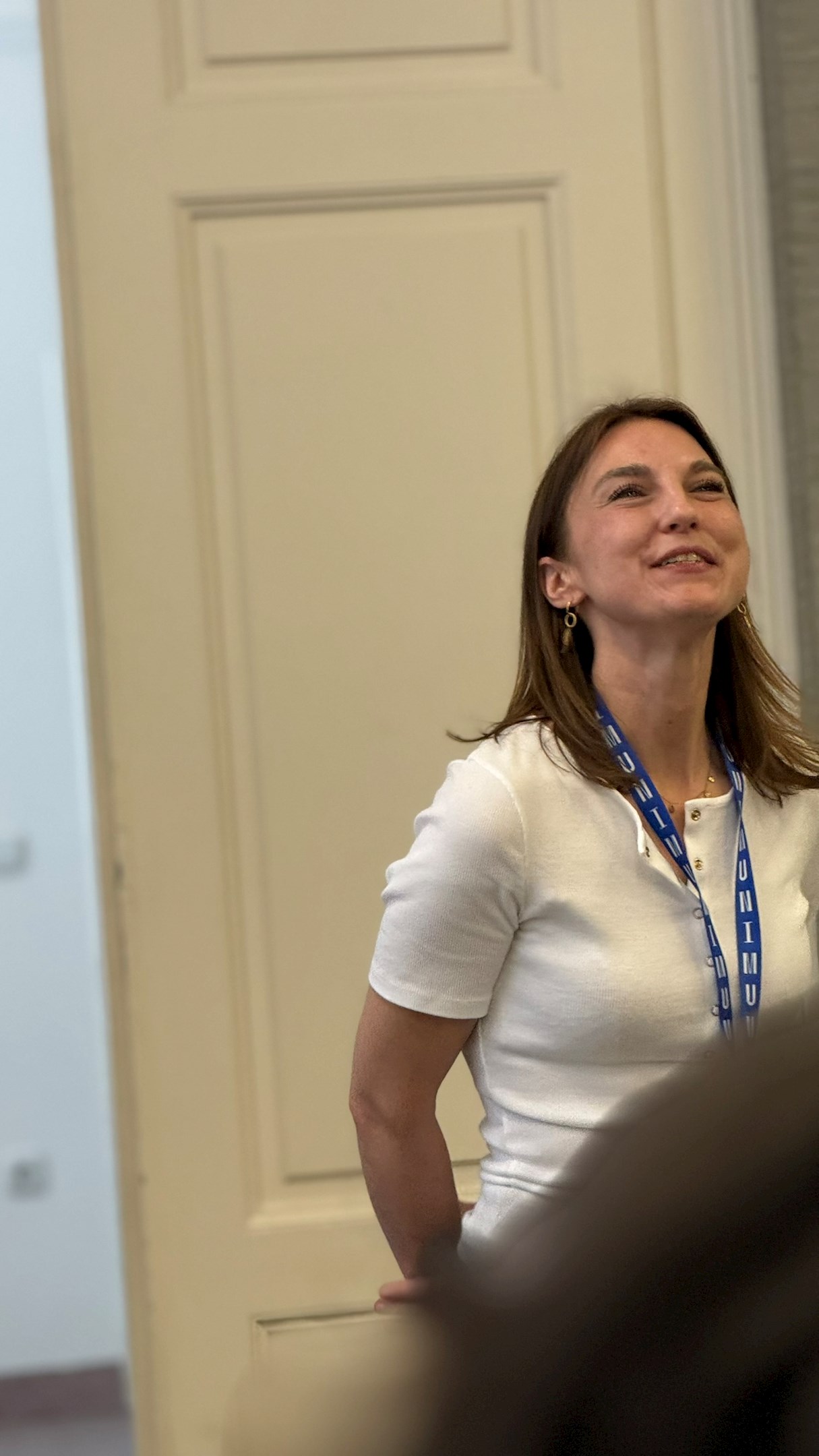
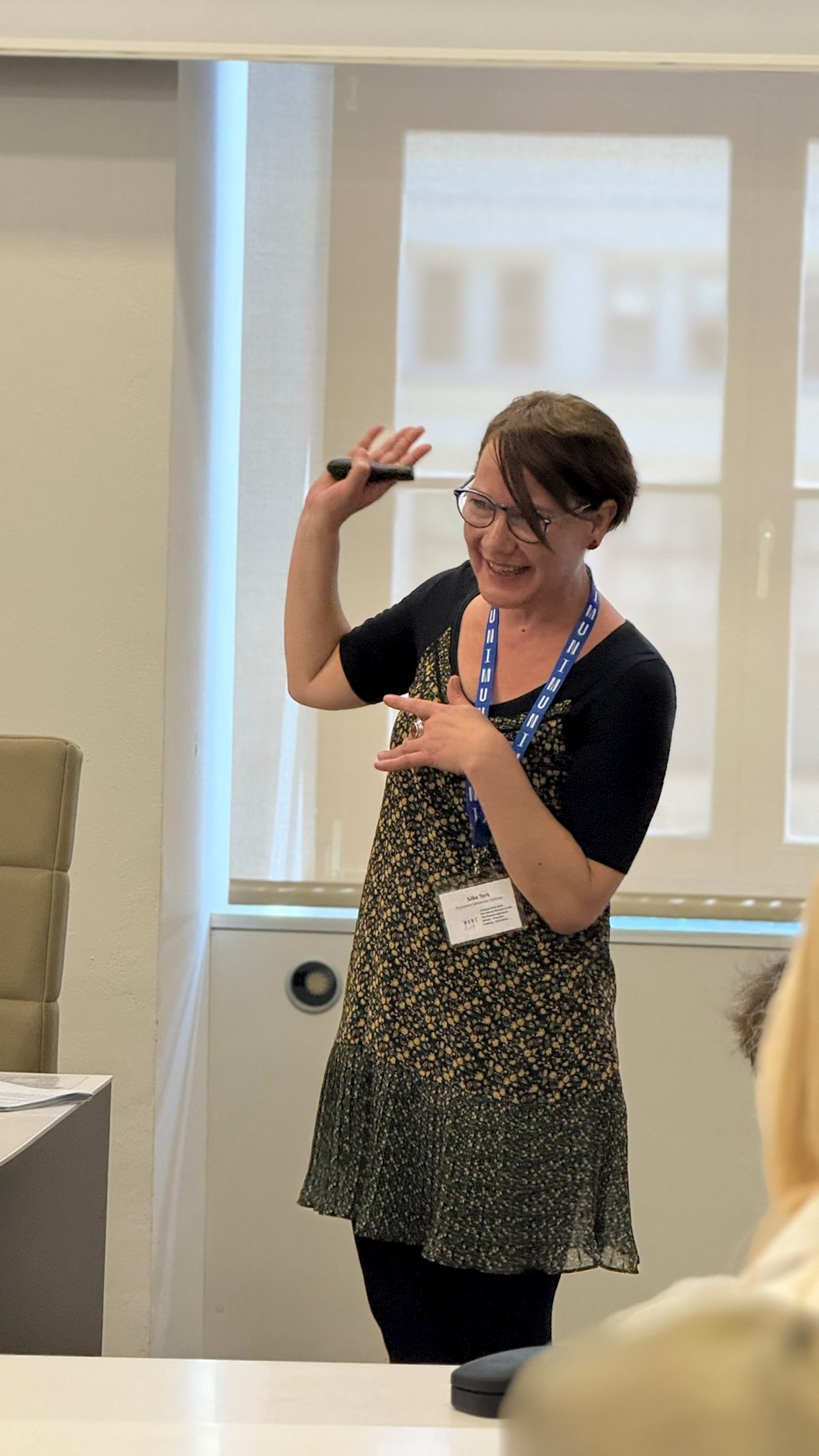
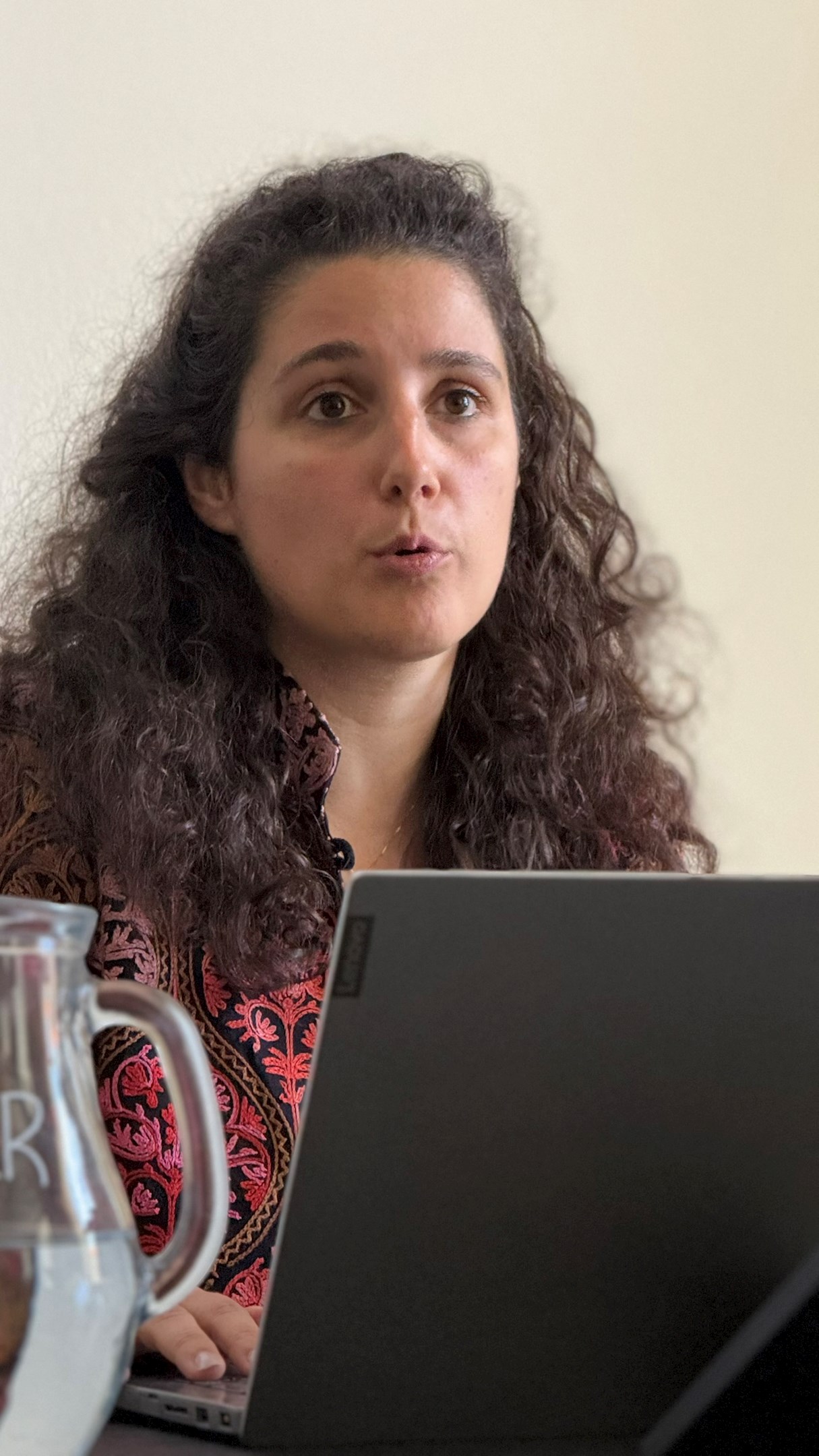
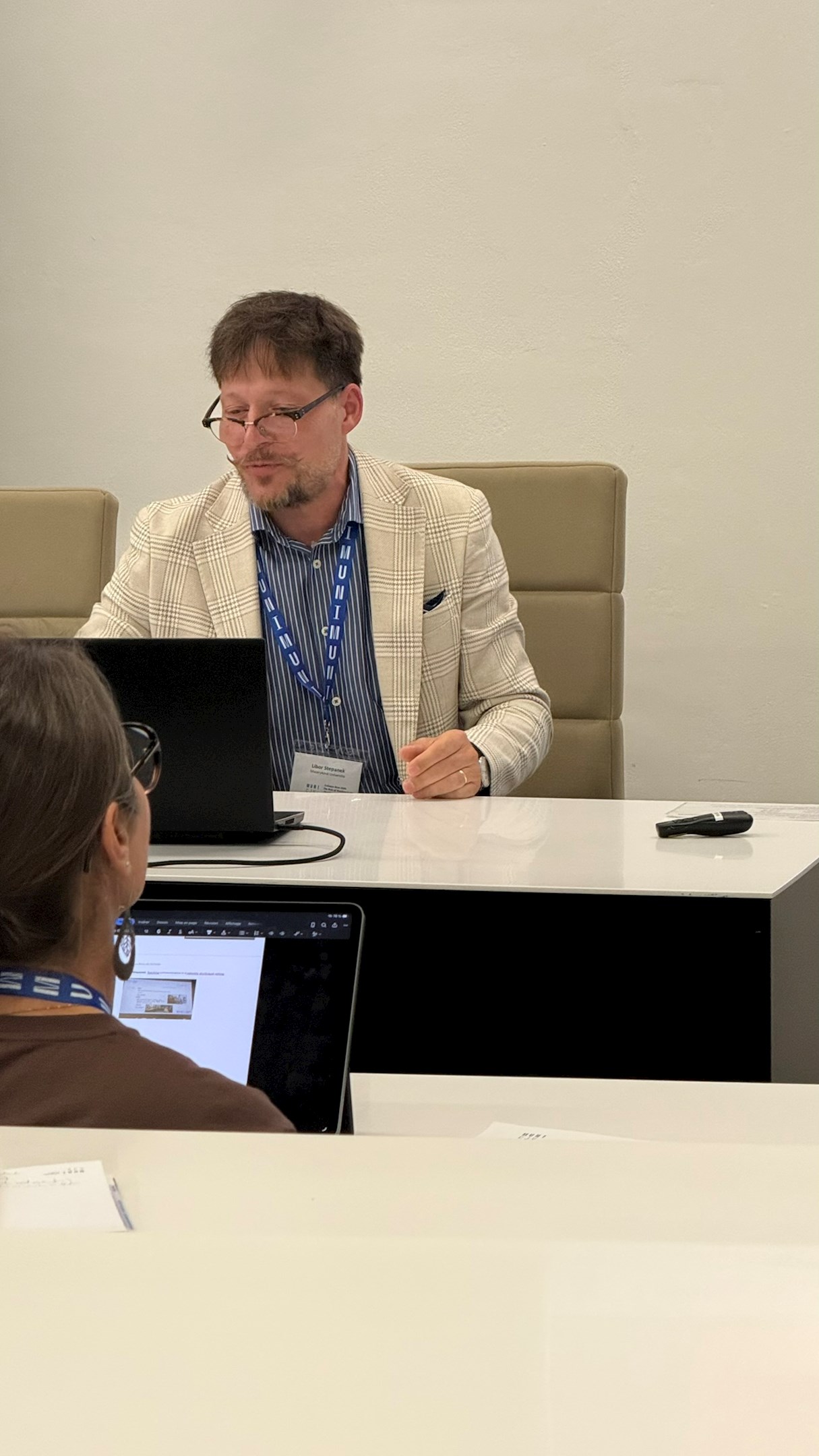
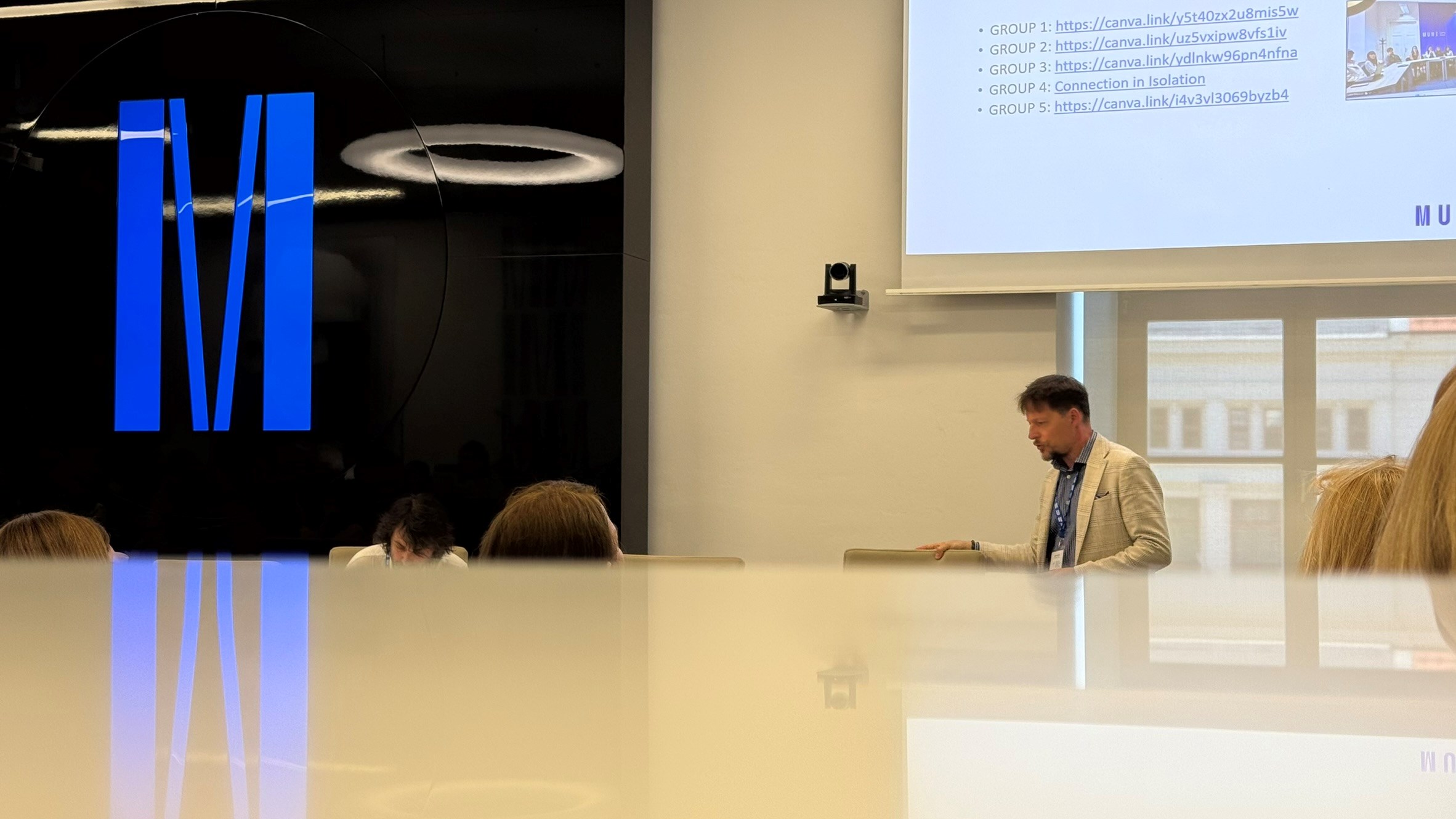
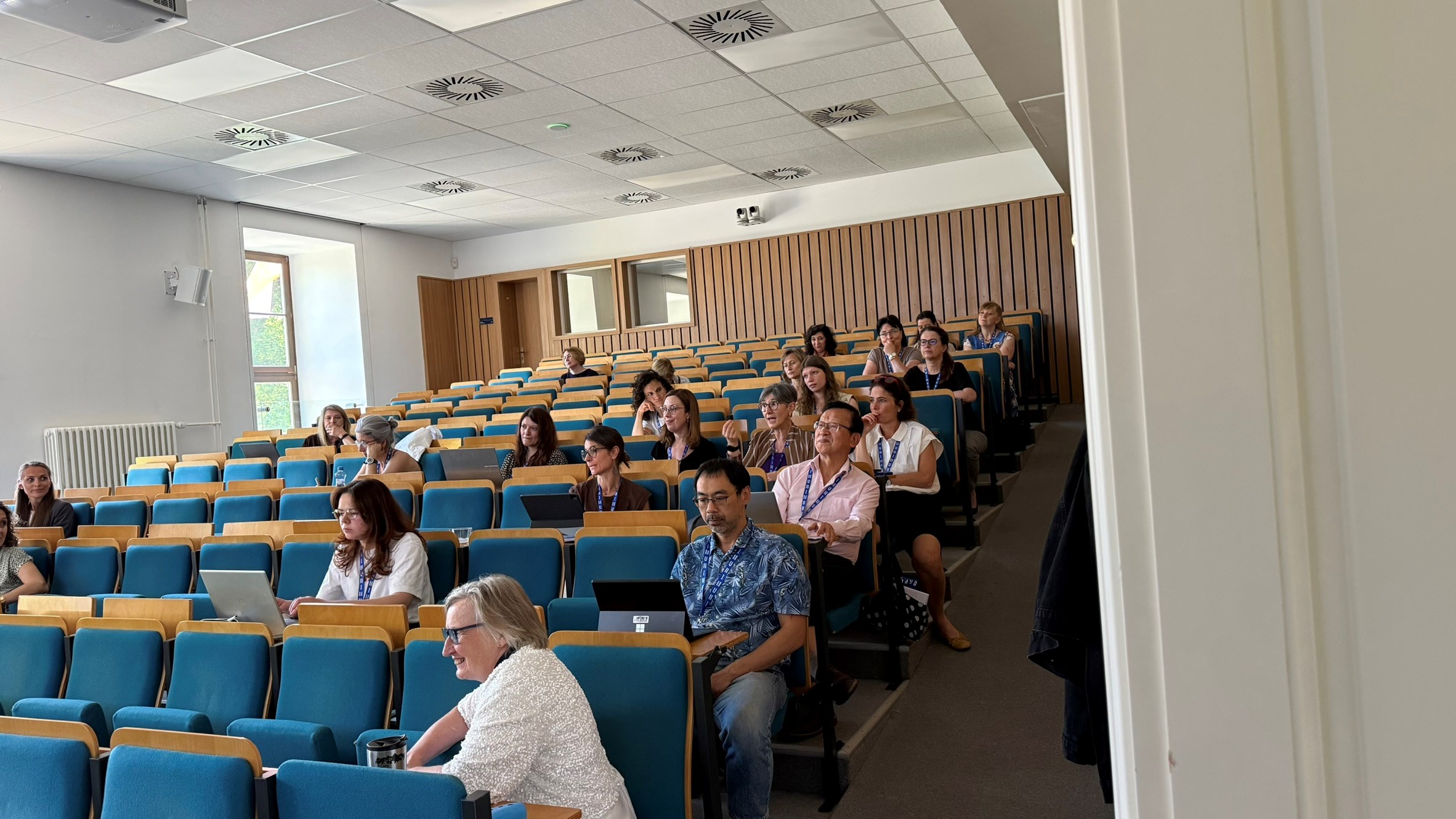
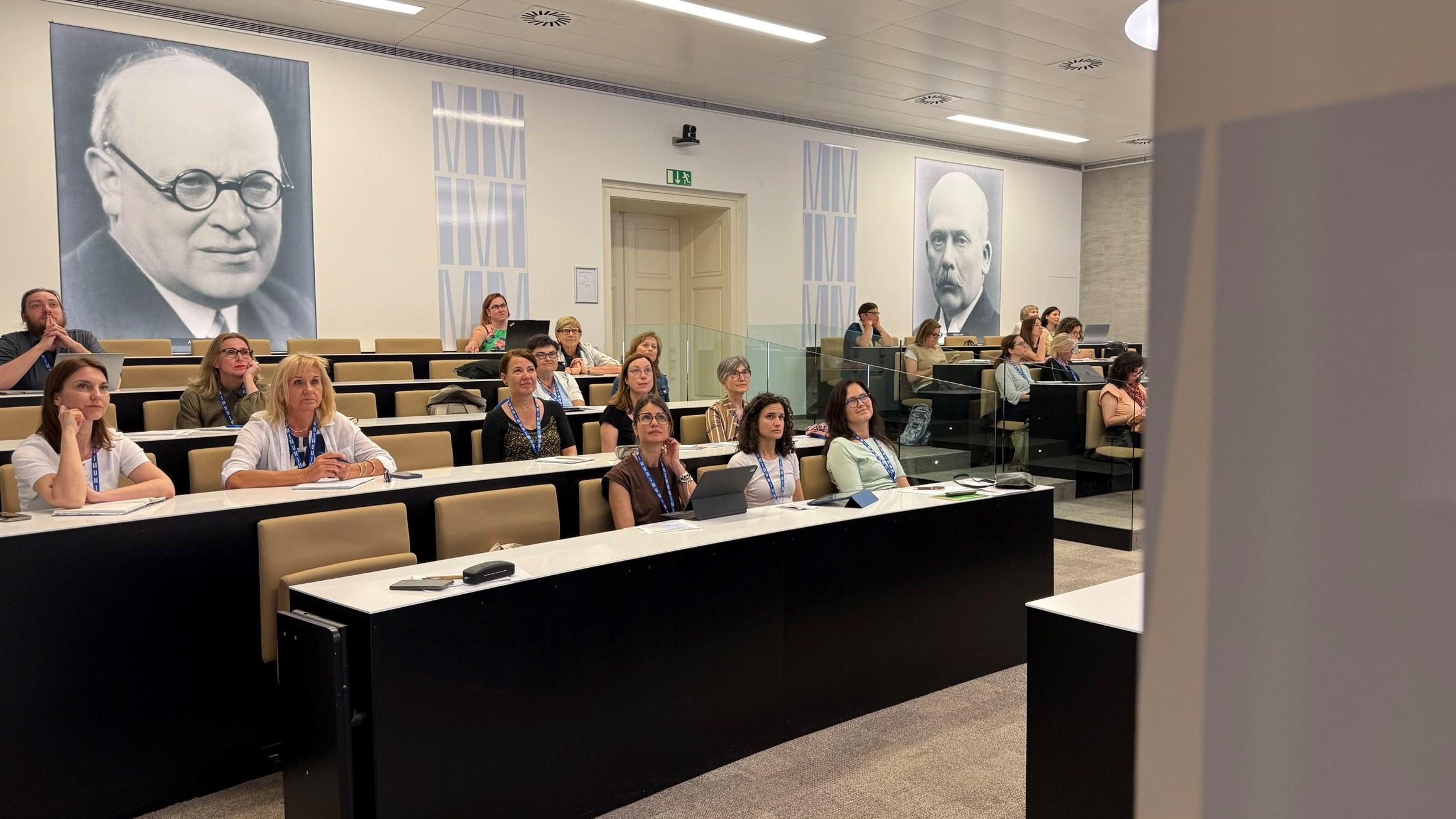
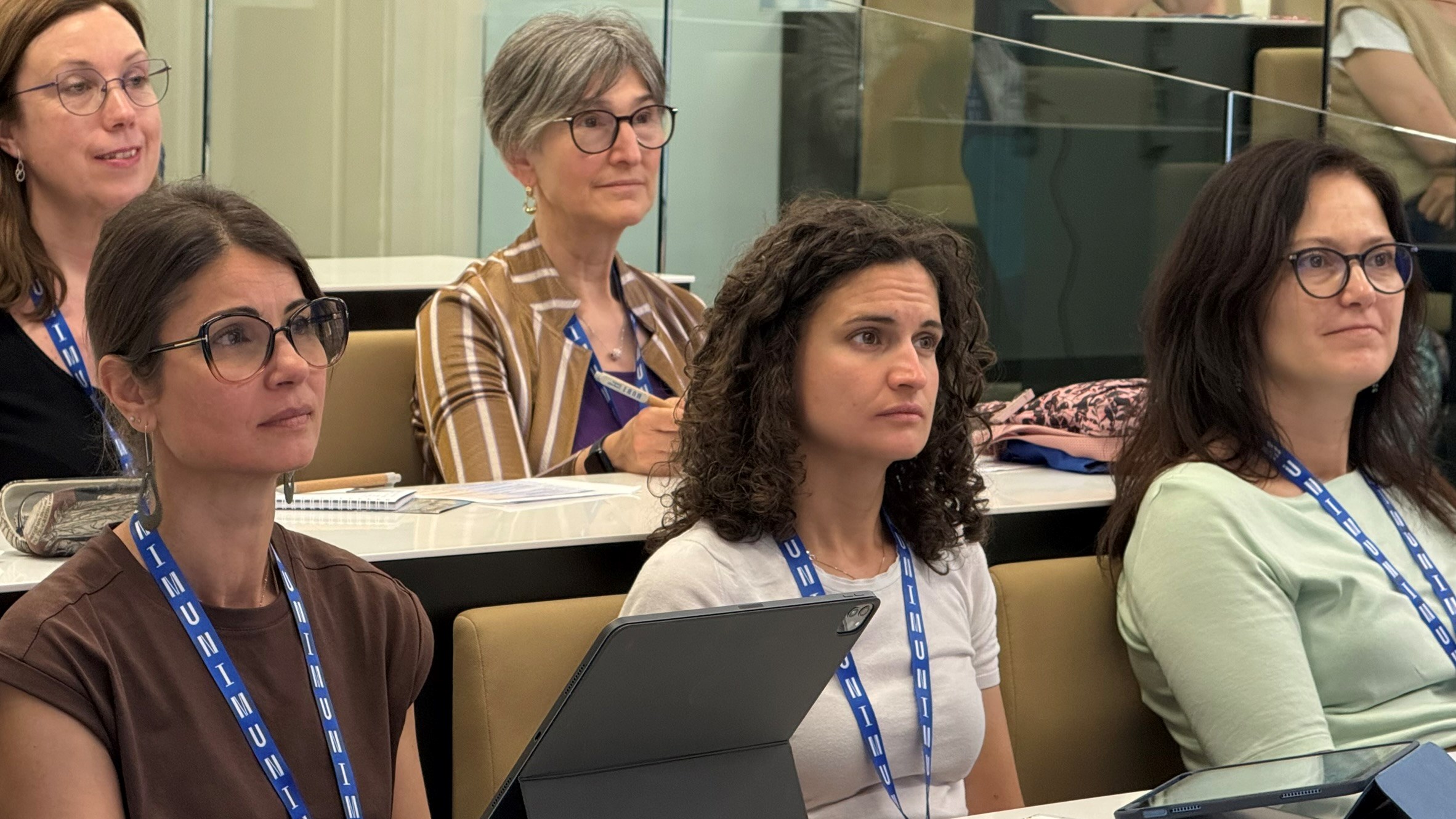
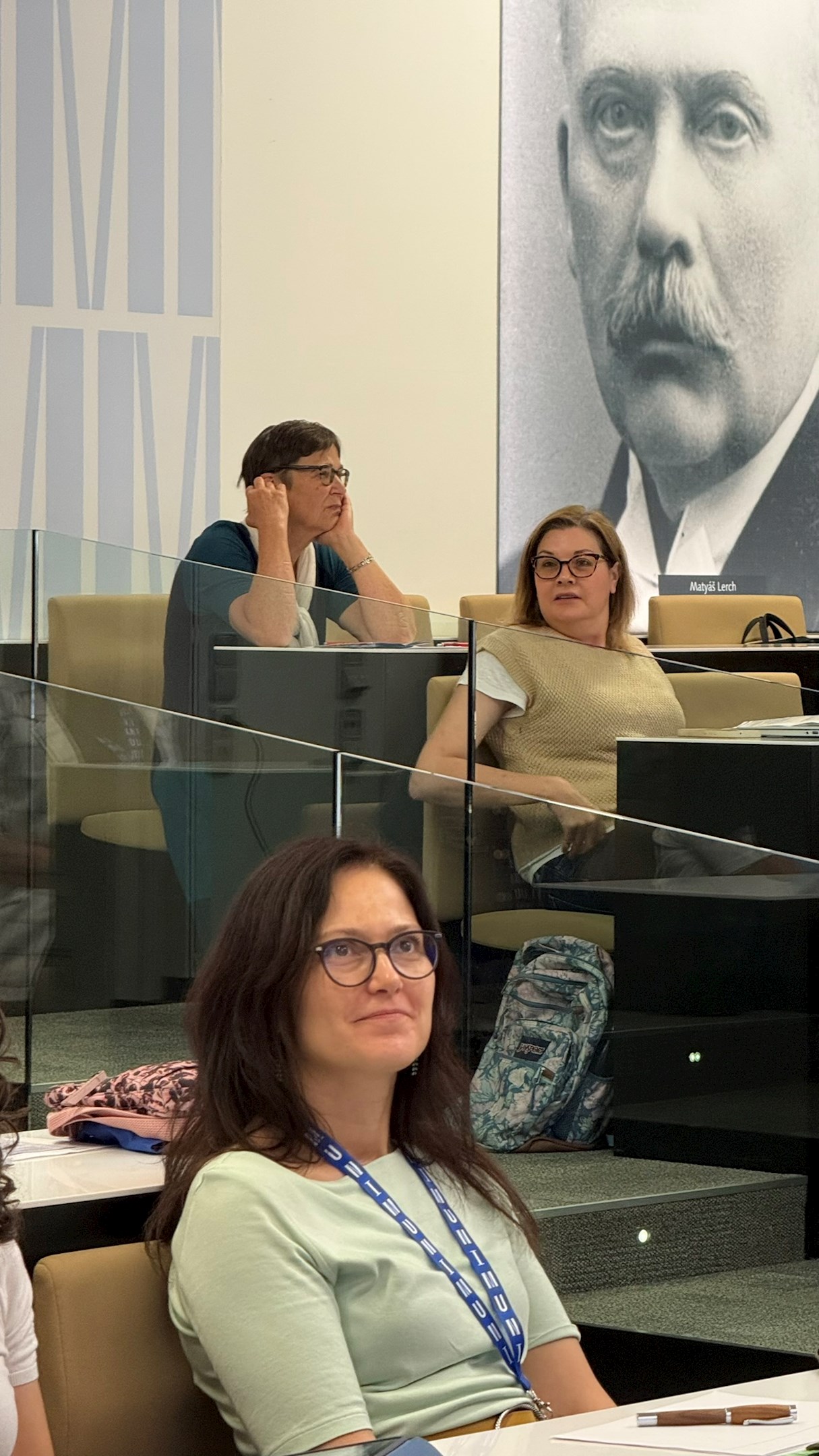
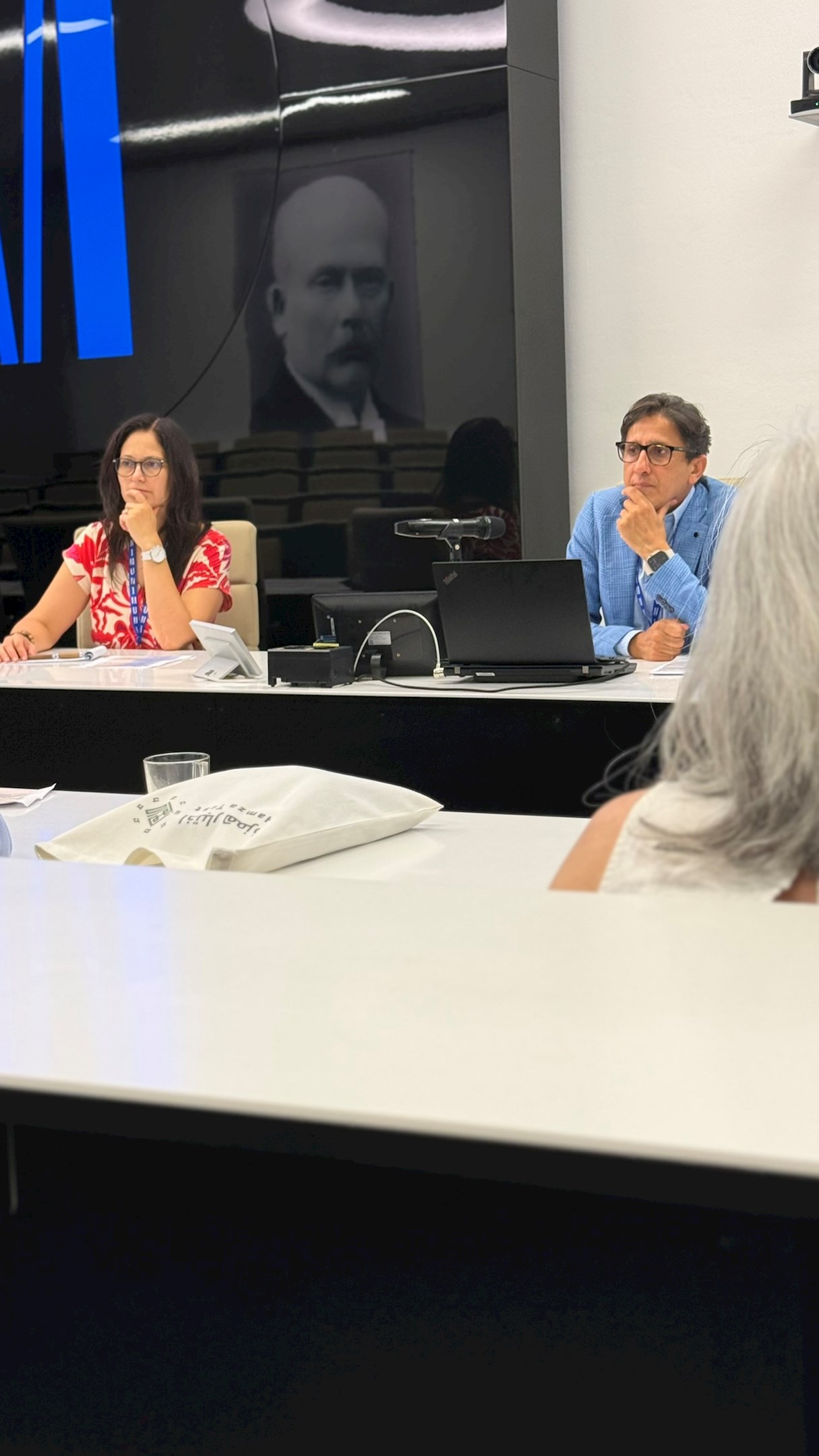
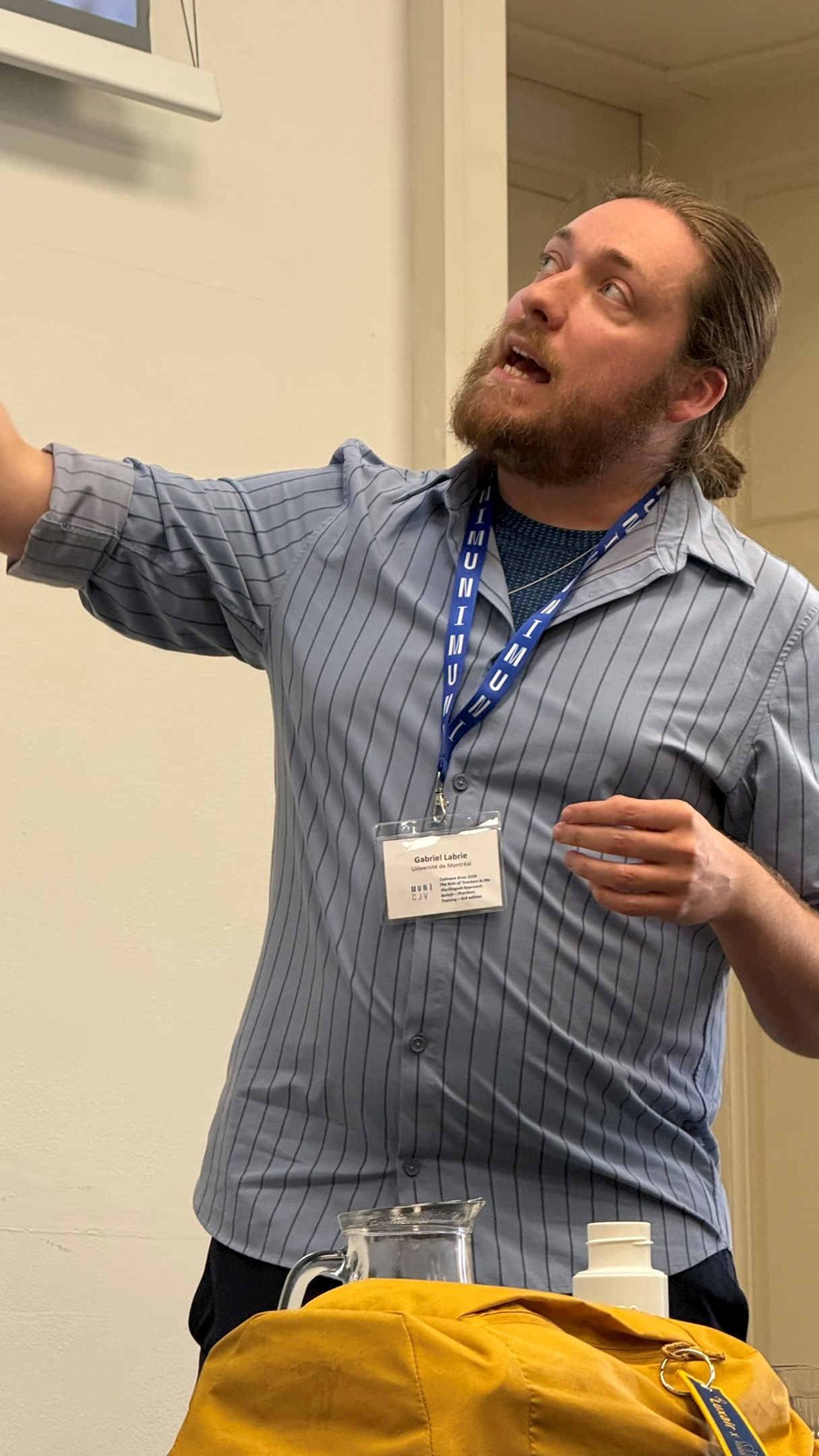
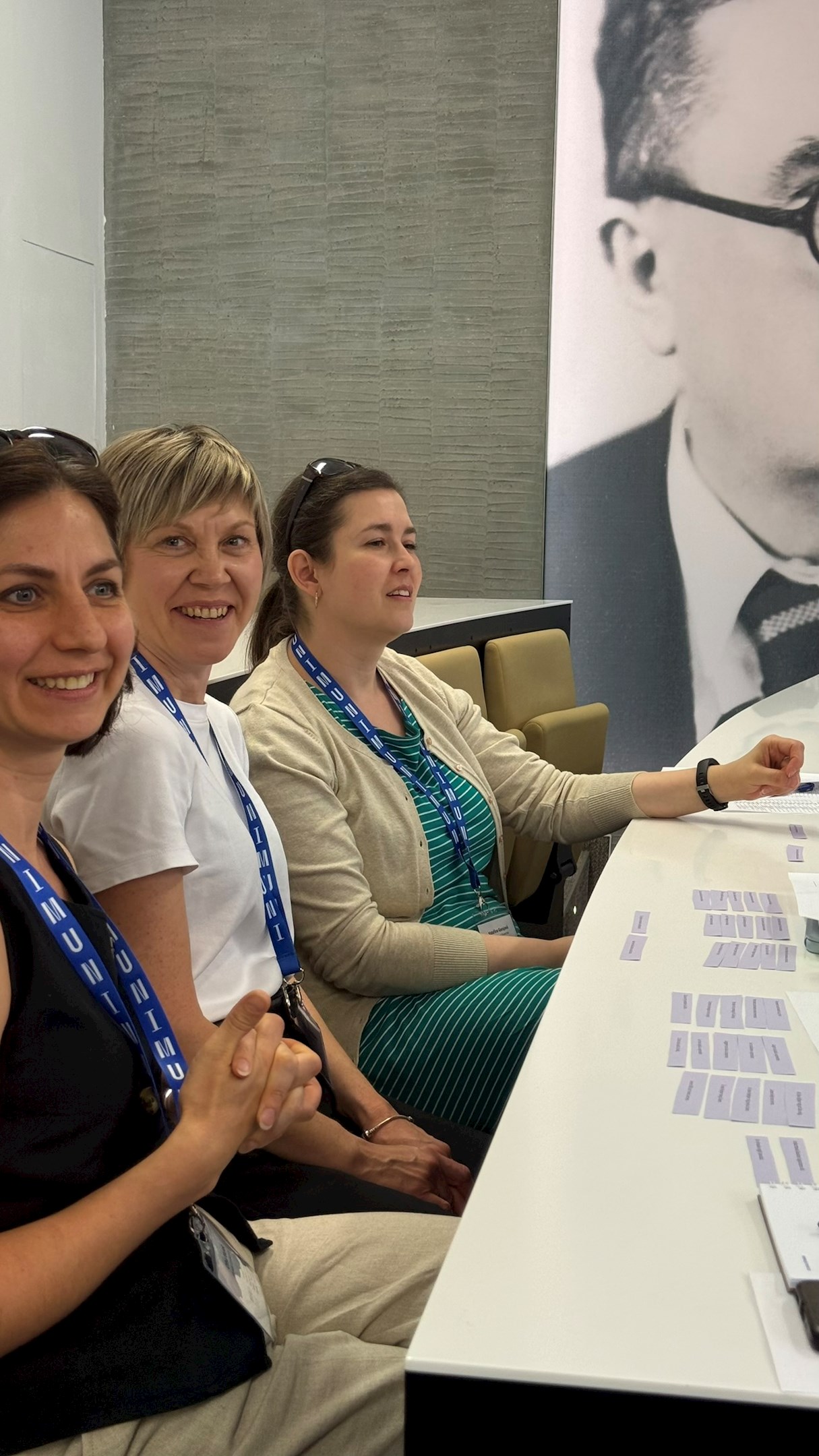
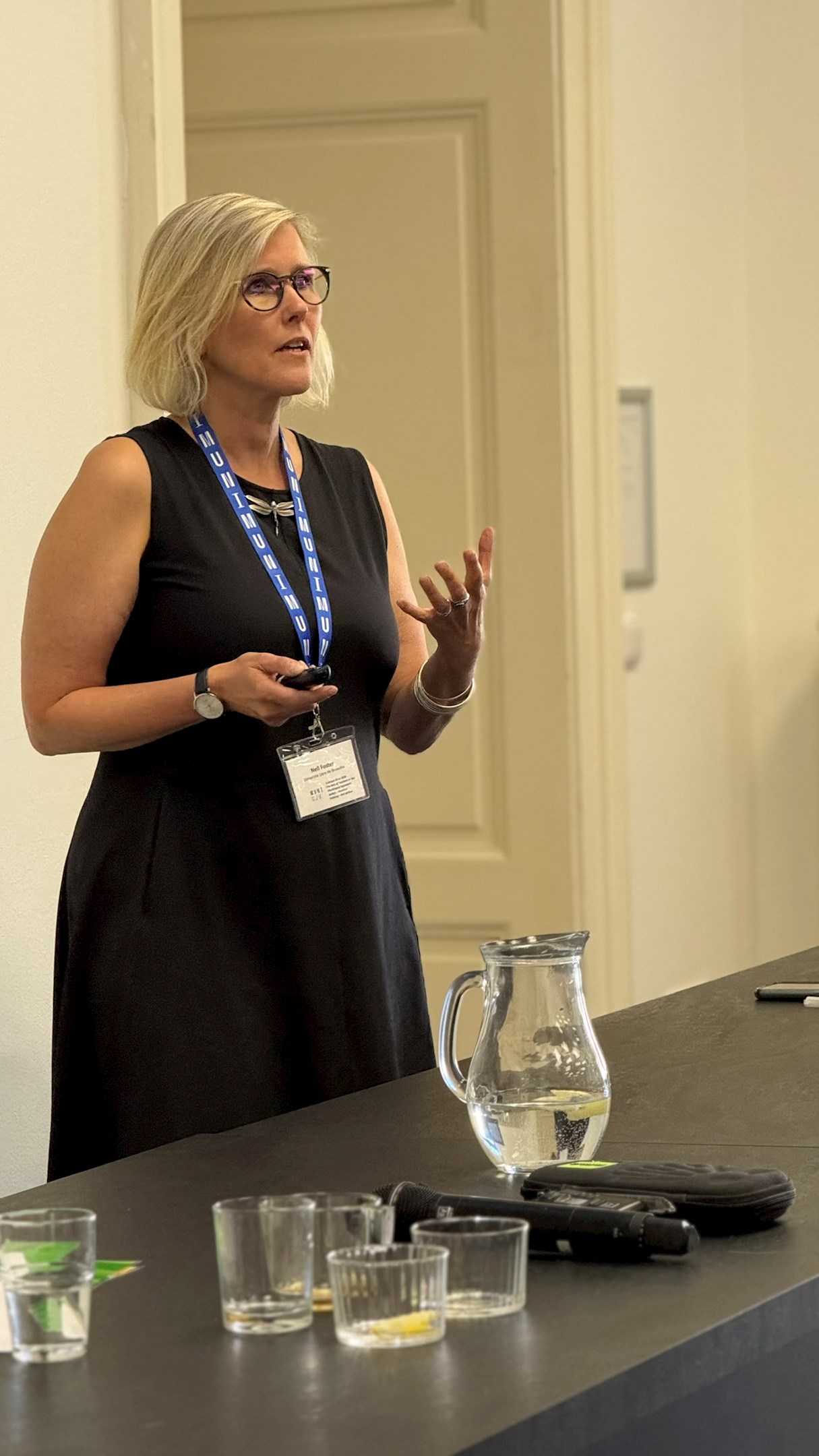
Colloque Brno 2026: Teachers at the Center of Plurilingual Education
The fourth annual Colloque Brno 2026 focused on the role of teachers in developing plurilingual education. The programme combined theory and practice, highlighted mediation as a key competence, and offered practical approaches to integrating plurilingualism into teaching.


Colloque Brno 2026: Teachers at the Core of Plurilingual Education
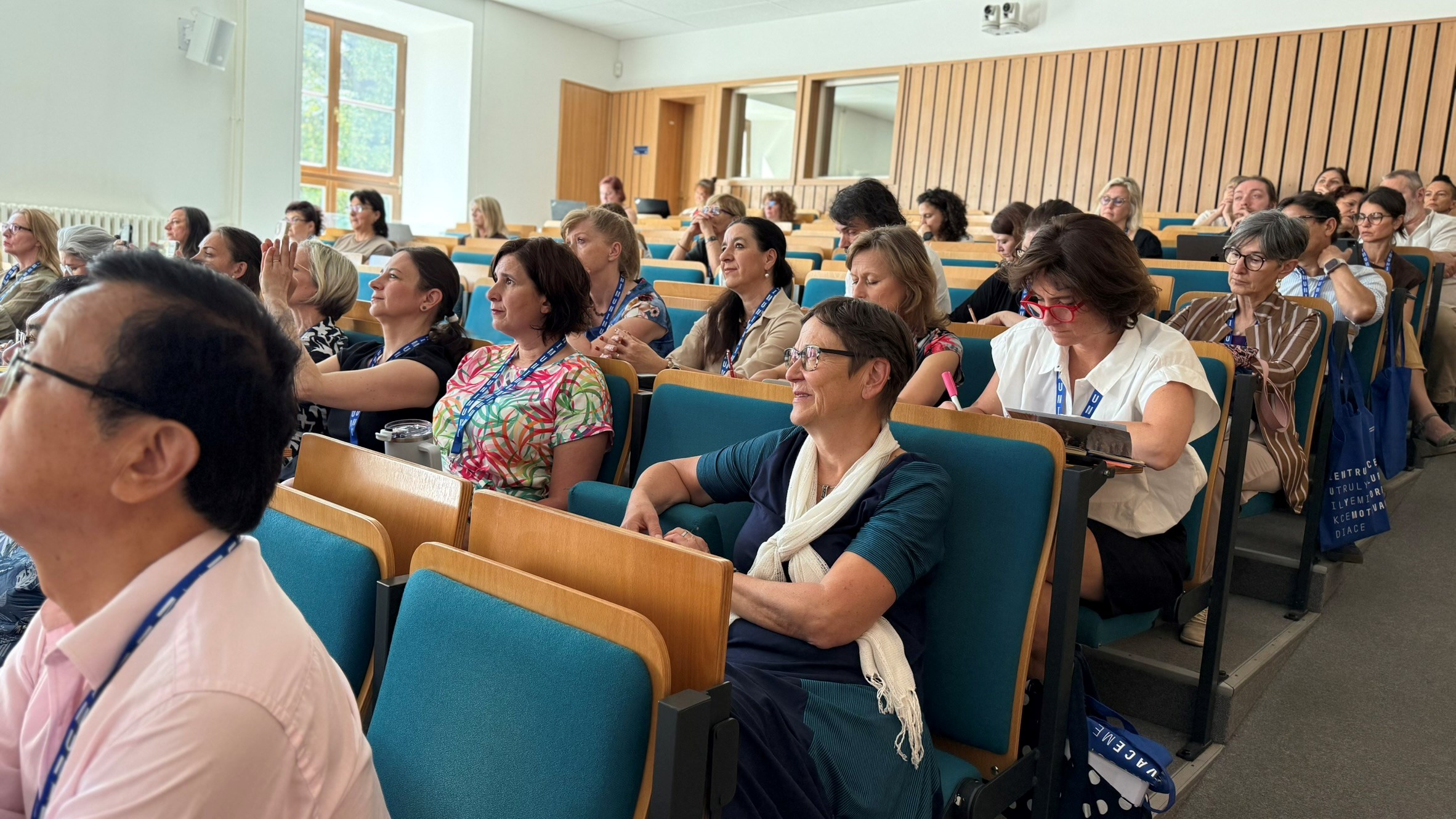
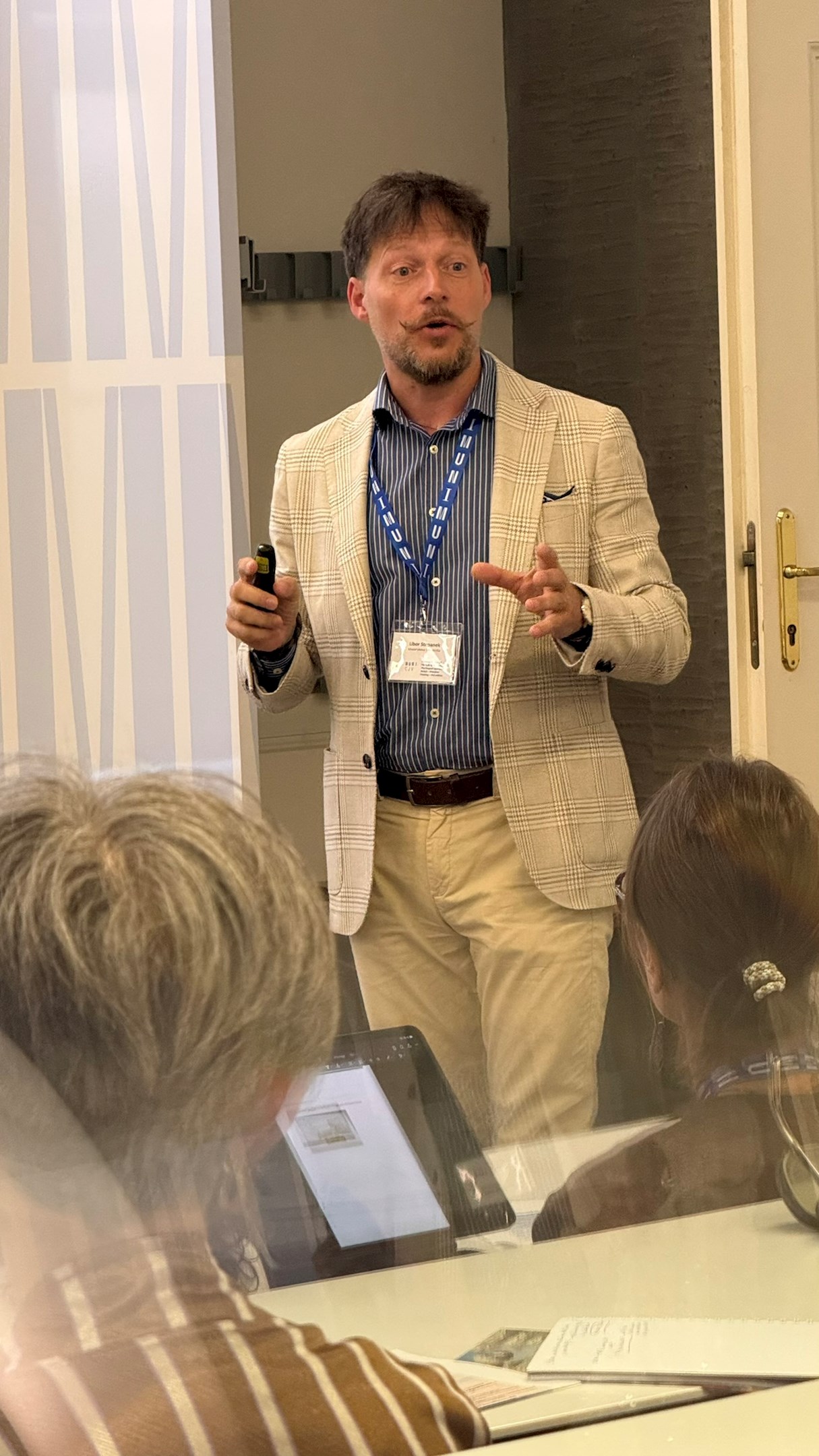
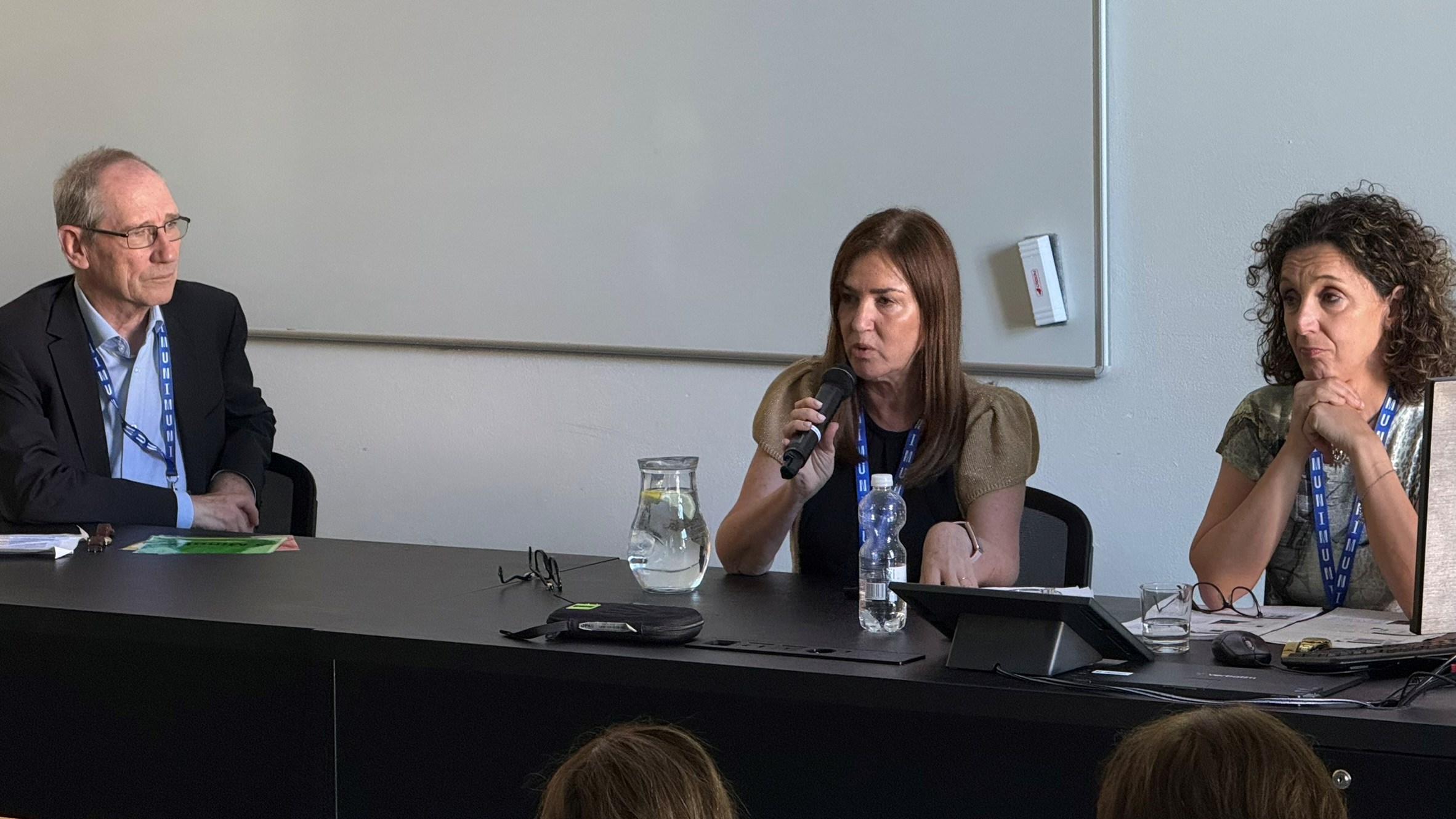
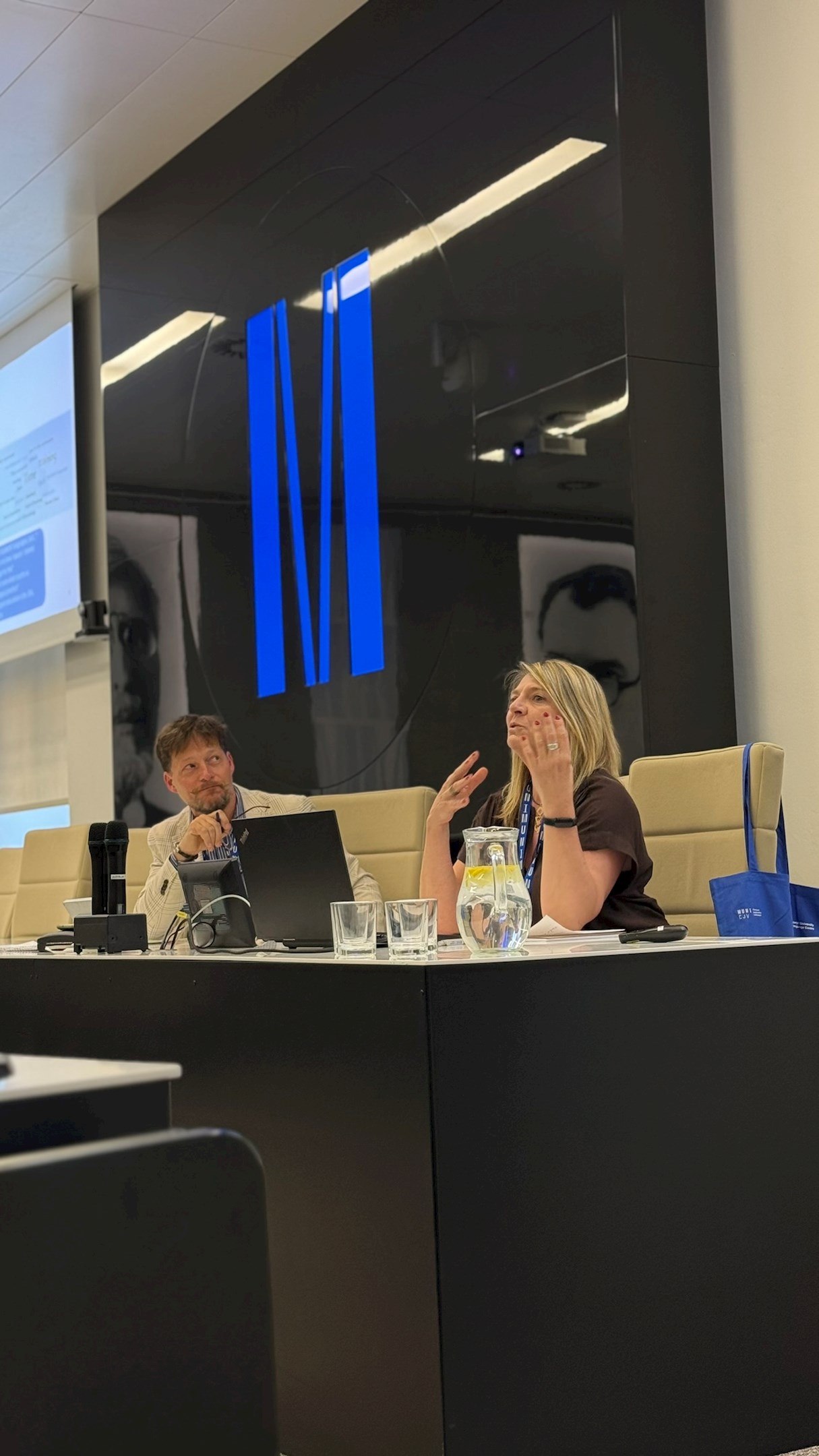
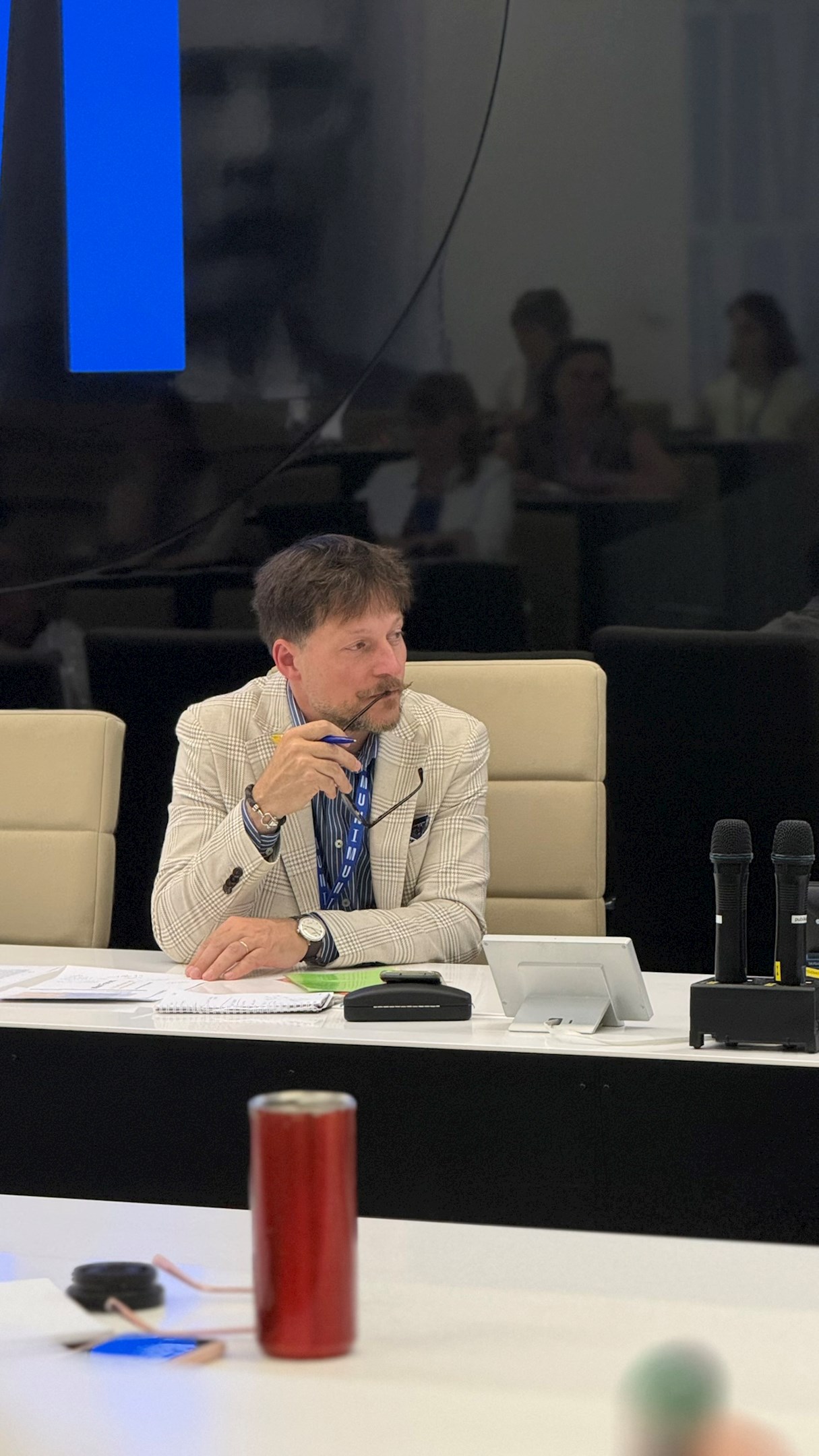
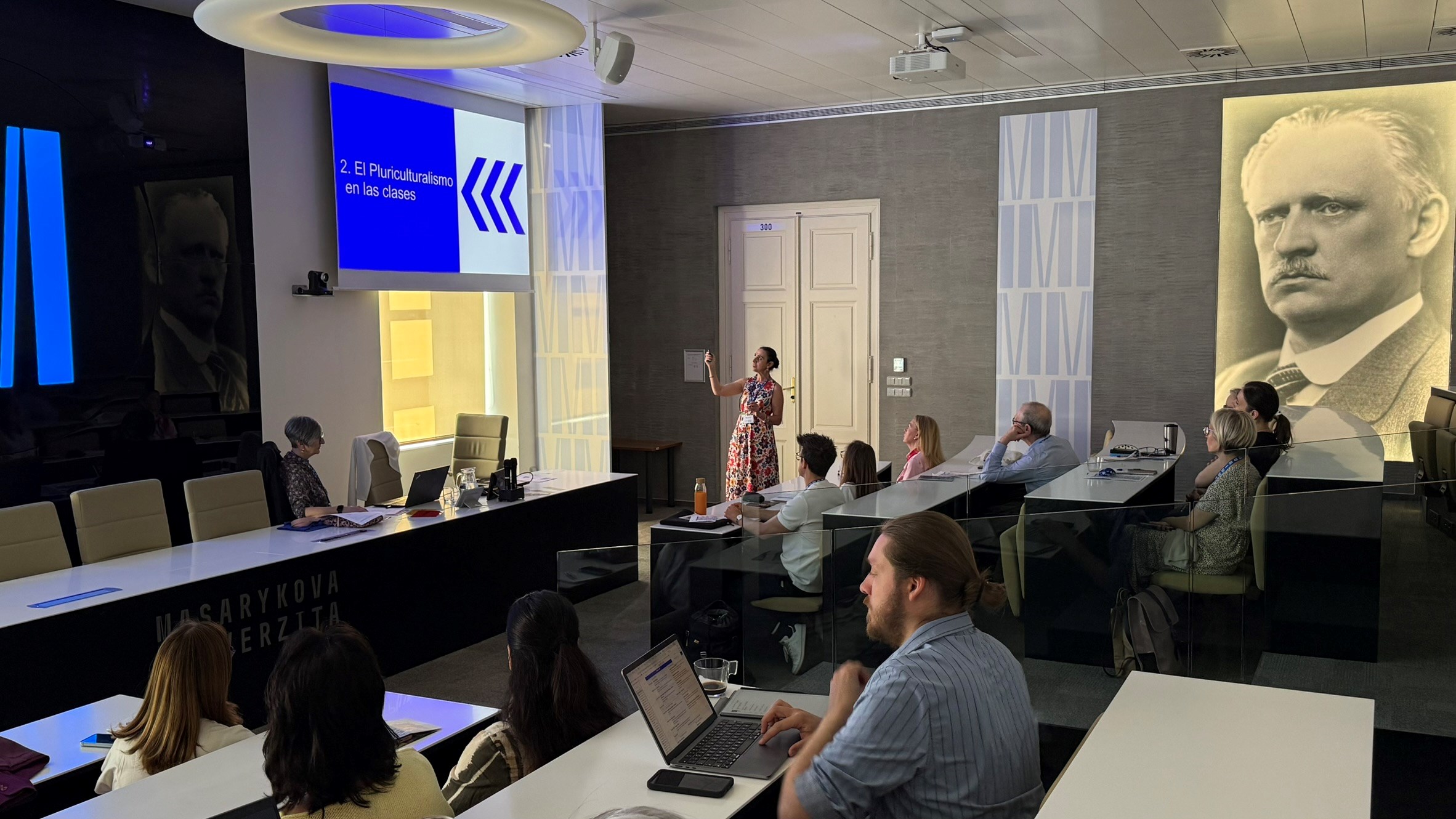
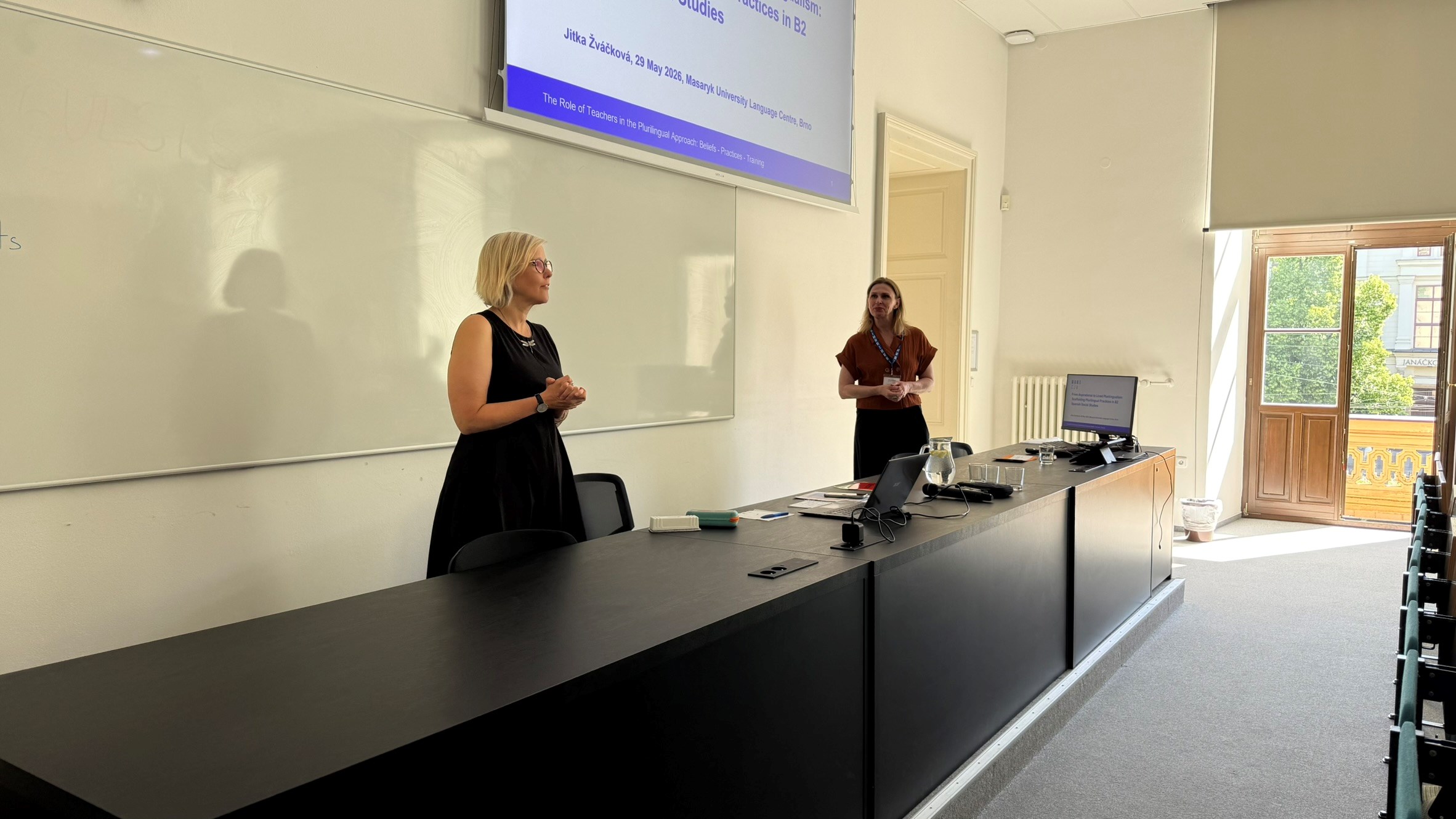
The fourth annual international conference Colloque Brno 2026 highlighted the growing importance of the plurilingual approach in education and emphasized the key role teachers play in its implementation. This year’s theme, “The Role of Teachers in the Plurilingual Approach: Beliefs – Practices – Training,” created space for a deeper reflection on how plurilingualism is enacted in classroom practice, teacher development, and institutional strategies.
From Theory to Practice: What Plurilingualism Means Today
One of the central themes of the conference was the effort to bridge theoretical frameworks — particularly those based on the Common European Framework of Reference for Languages (CEFR) and its Companion Volume — with concrete teaching practices.
Plurilingualism was presented not merely as a linguistic competence, but as a complex ability to use multiple languages flexibly across different communicative situations. This perspective is closely connected with broader societal values, such as openness, cultural awareness, and the ability to mediate between languages and cultures.
Mediation as a Key Competence
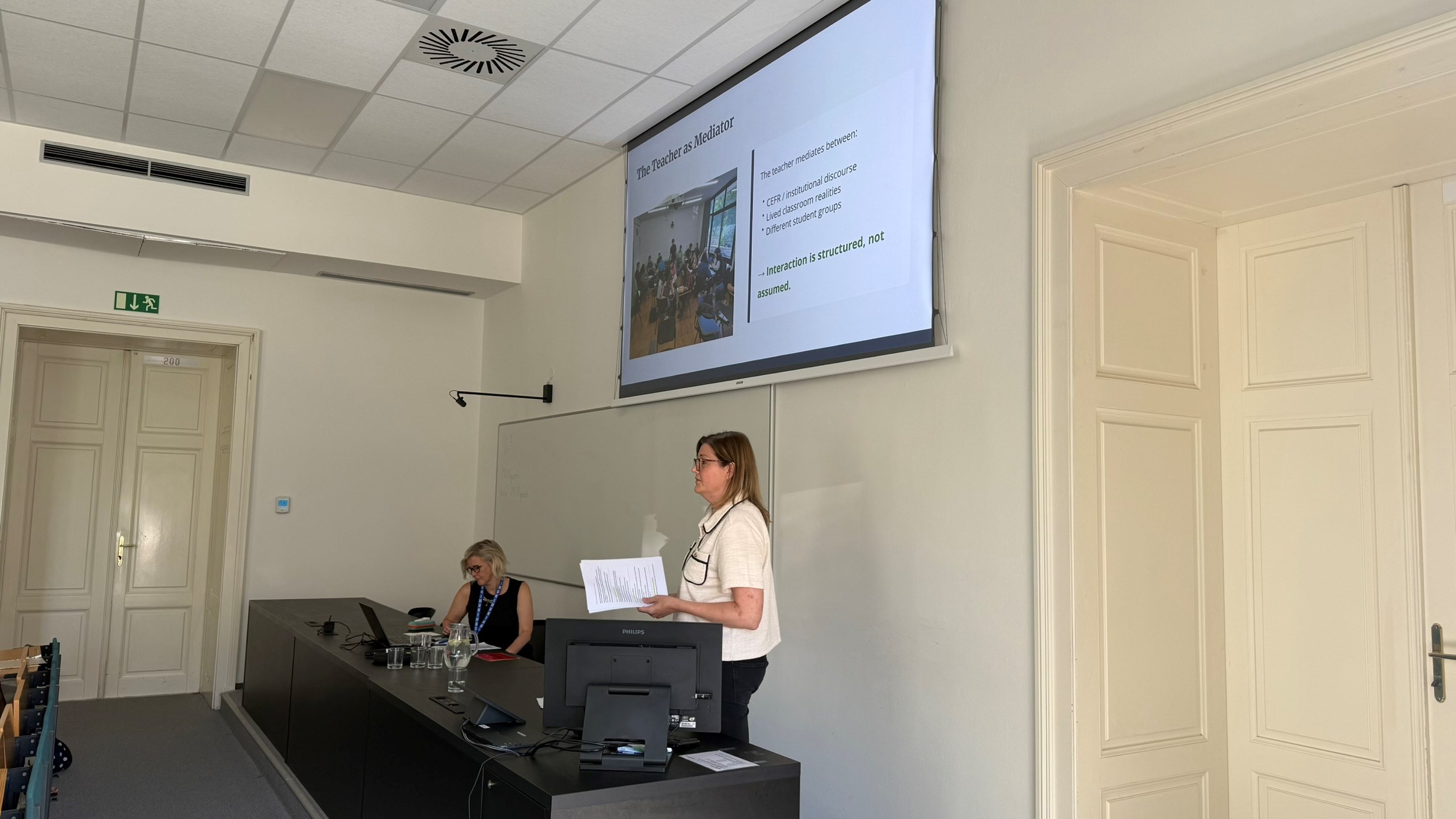
A significant focus across the programme was placed on mediation, which emerged as one of the most dynamic aspects of current language education. Several contributions explored how mediation can be effectively integrated into teaching, how it can be assessed, and how teachers can be prepared to develop this competence.
The discussions clearly showed that mediation is no longer viewed as an additional skill, but as a core component of language education, linking understanding, production, and interaction while enabling learners to act as mediators between languages and cultures.
Teacher Development as a Prerequisite for Change
Approximately half of the presentations focused on teacher education, professional development, and the support systems necessary for implementing plurilingual approaches. This reflected a shared understanding that meaningful change in language education cannot occur without systematically preparing teachers.
Presentations and workshops addressed:
- the competences teachers need to work in plurilingual contexts,
- ways of developing these competences in both pre-service and in-service education,
- the role of institutional frameworks and language policies.
It was repeatedly highlighted that teachers are central to innovation, yet require clear methodological support and opportunities for sharing good practice.
Classroom Practice: Tools and Approaches
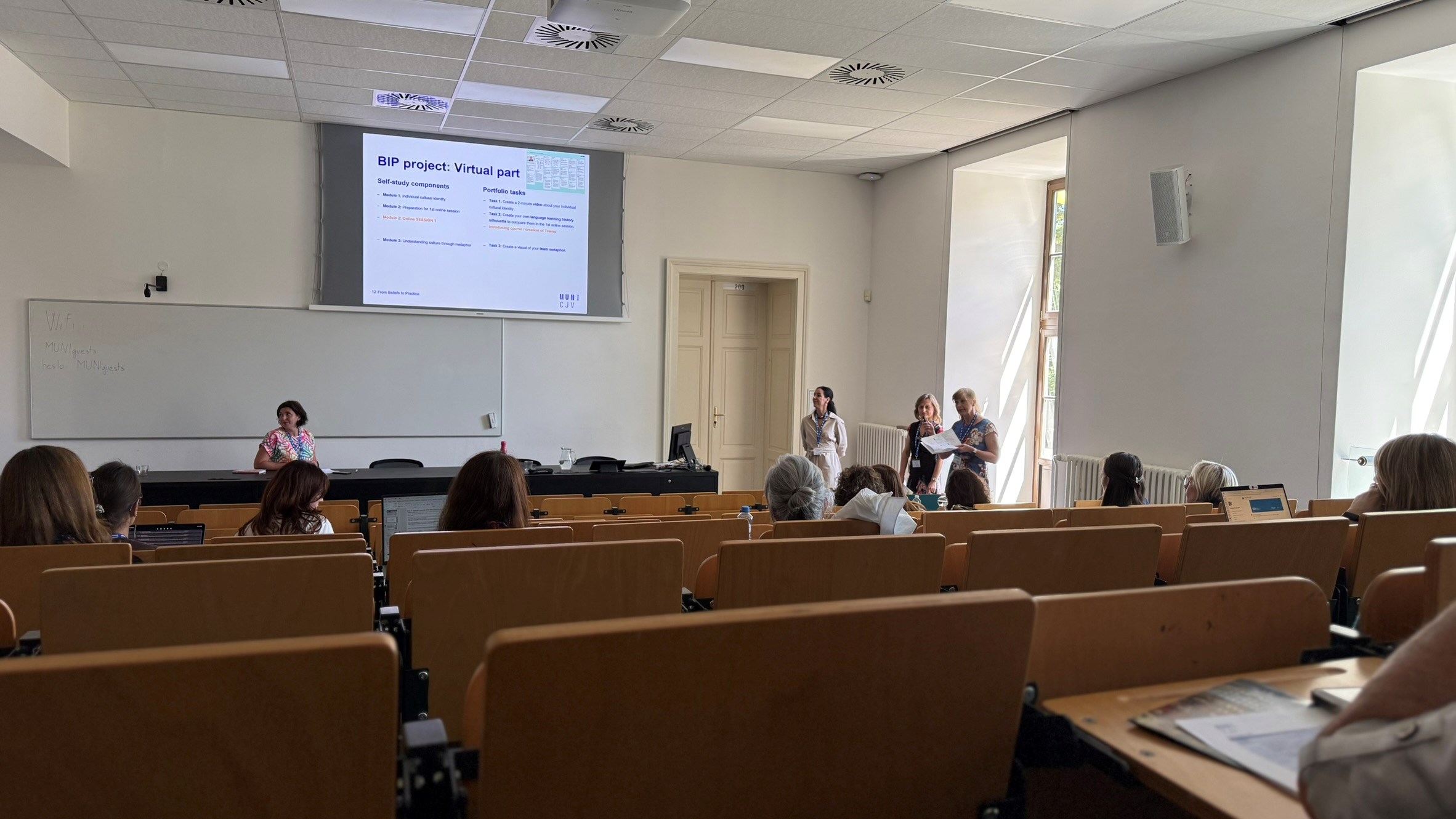
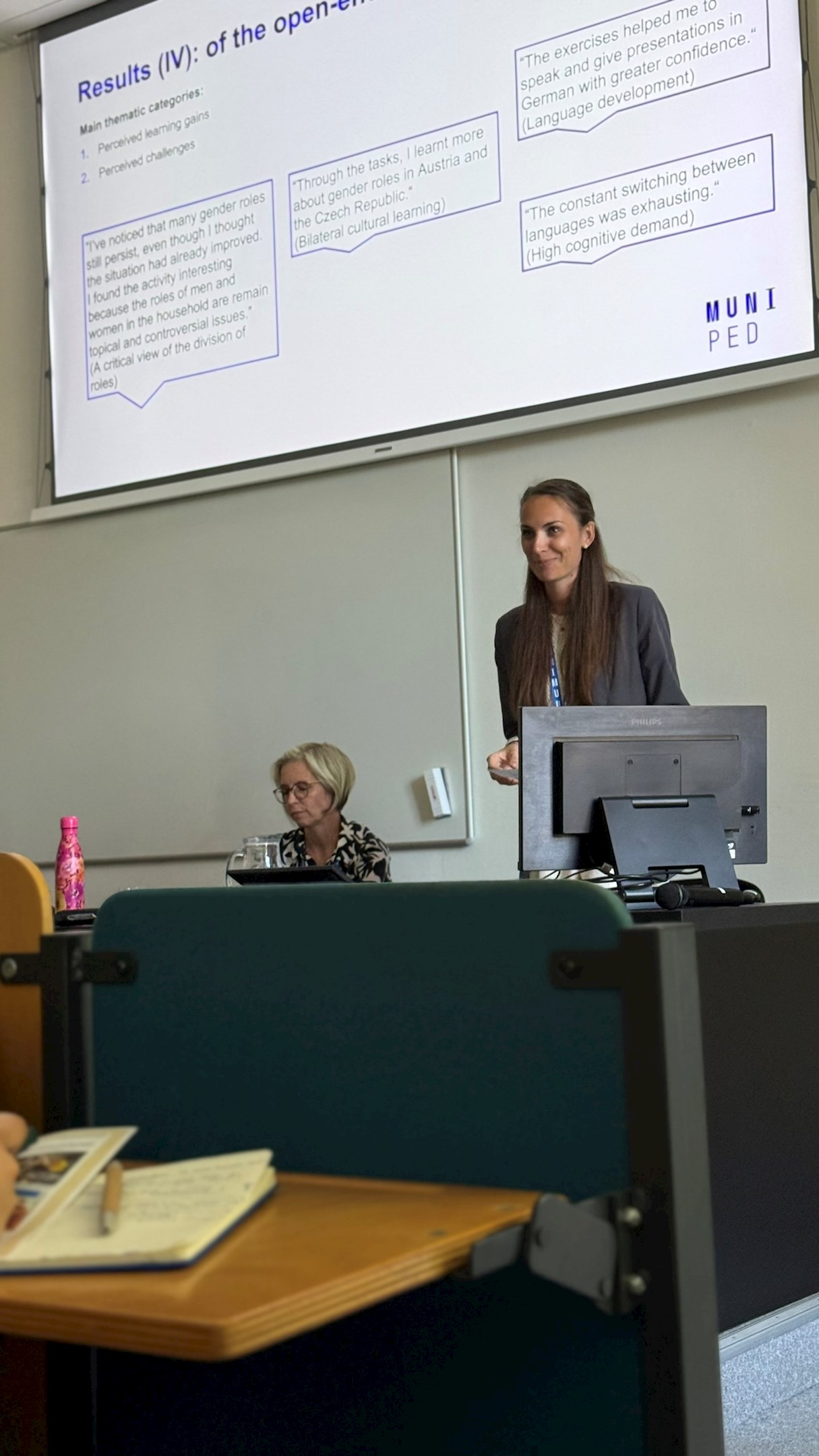
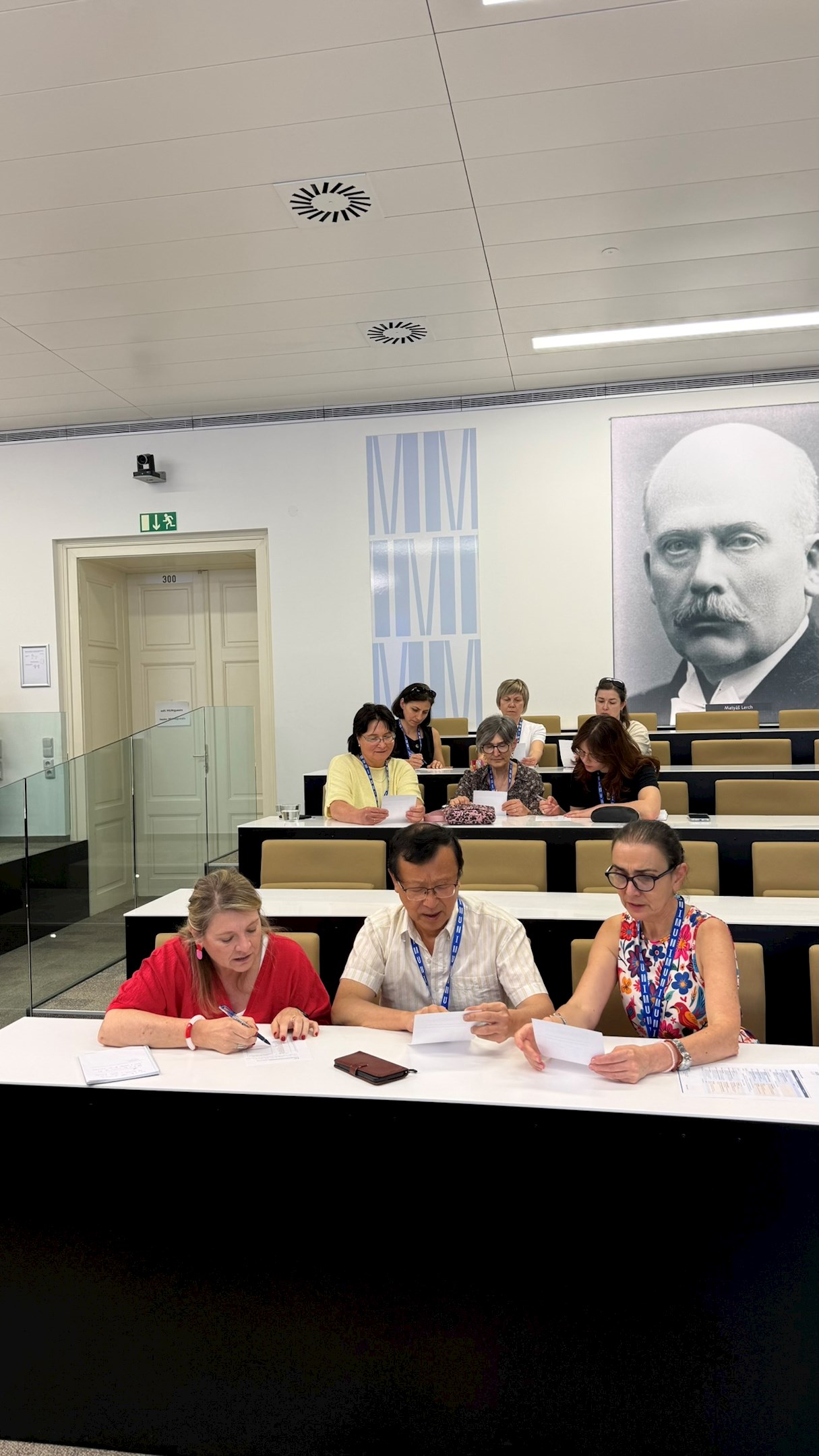
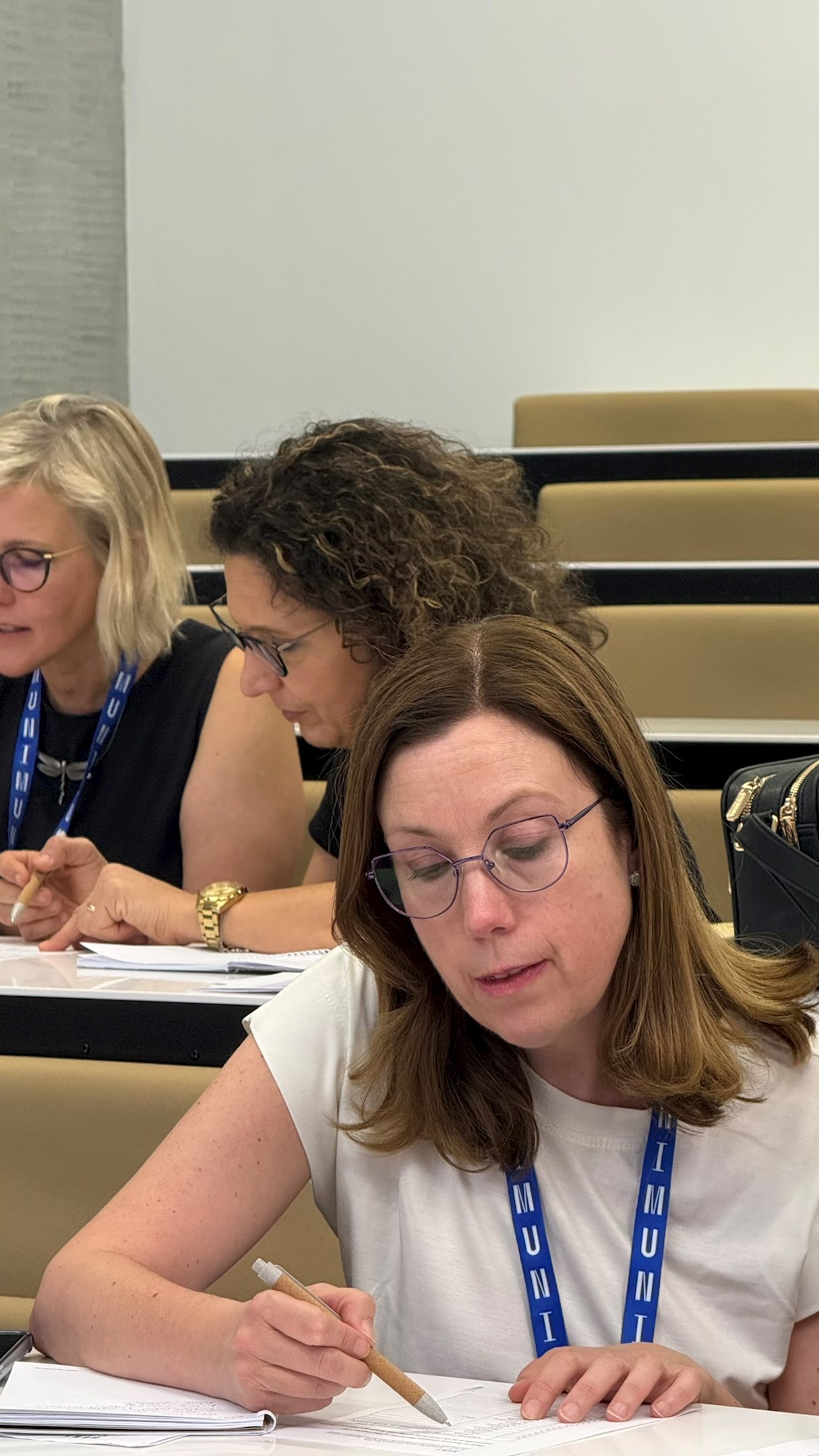
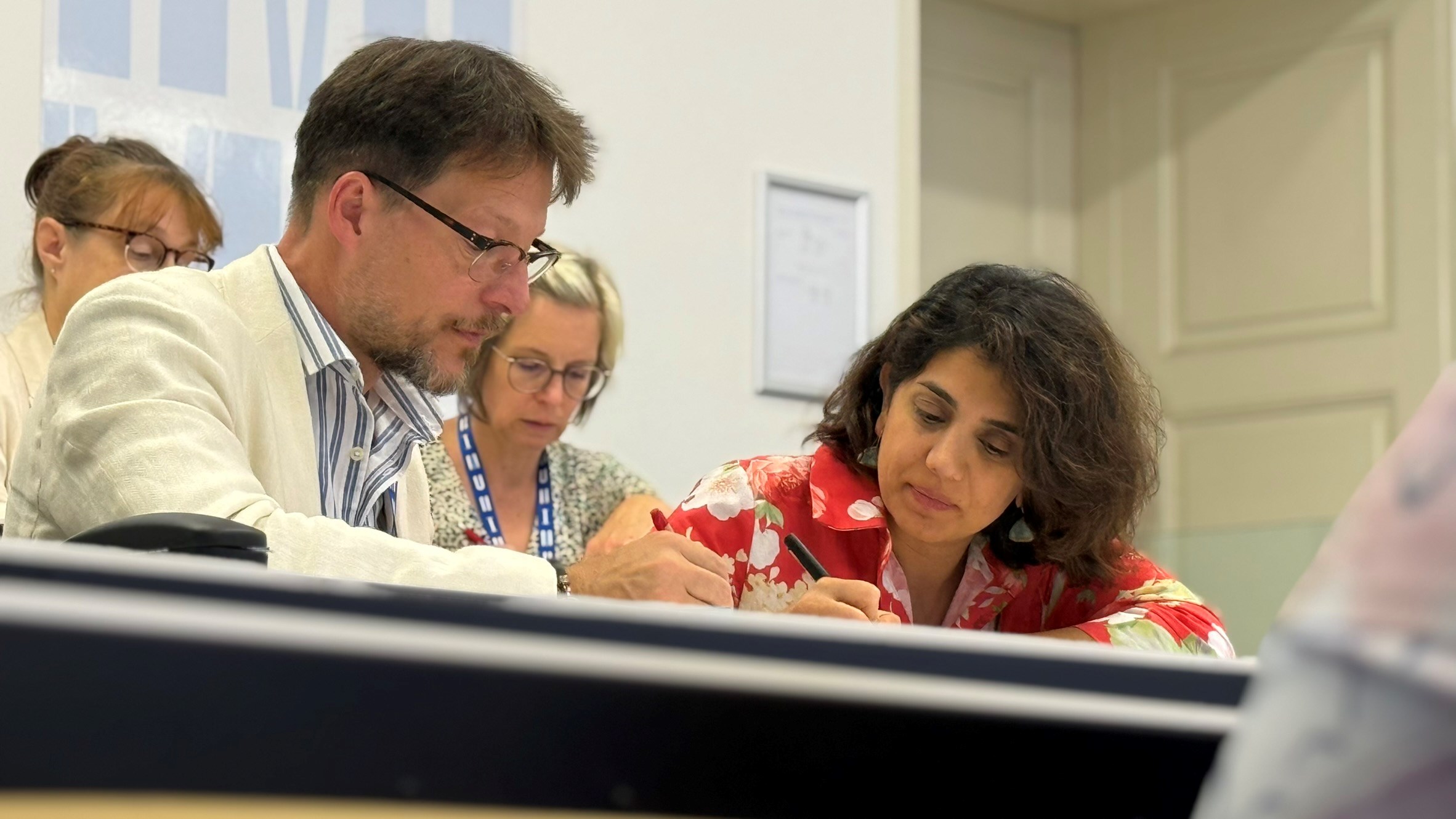
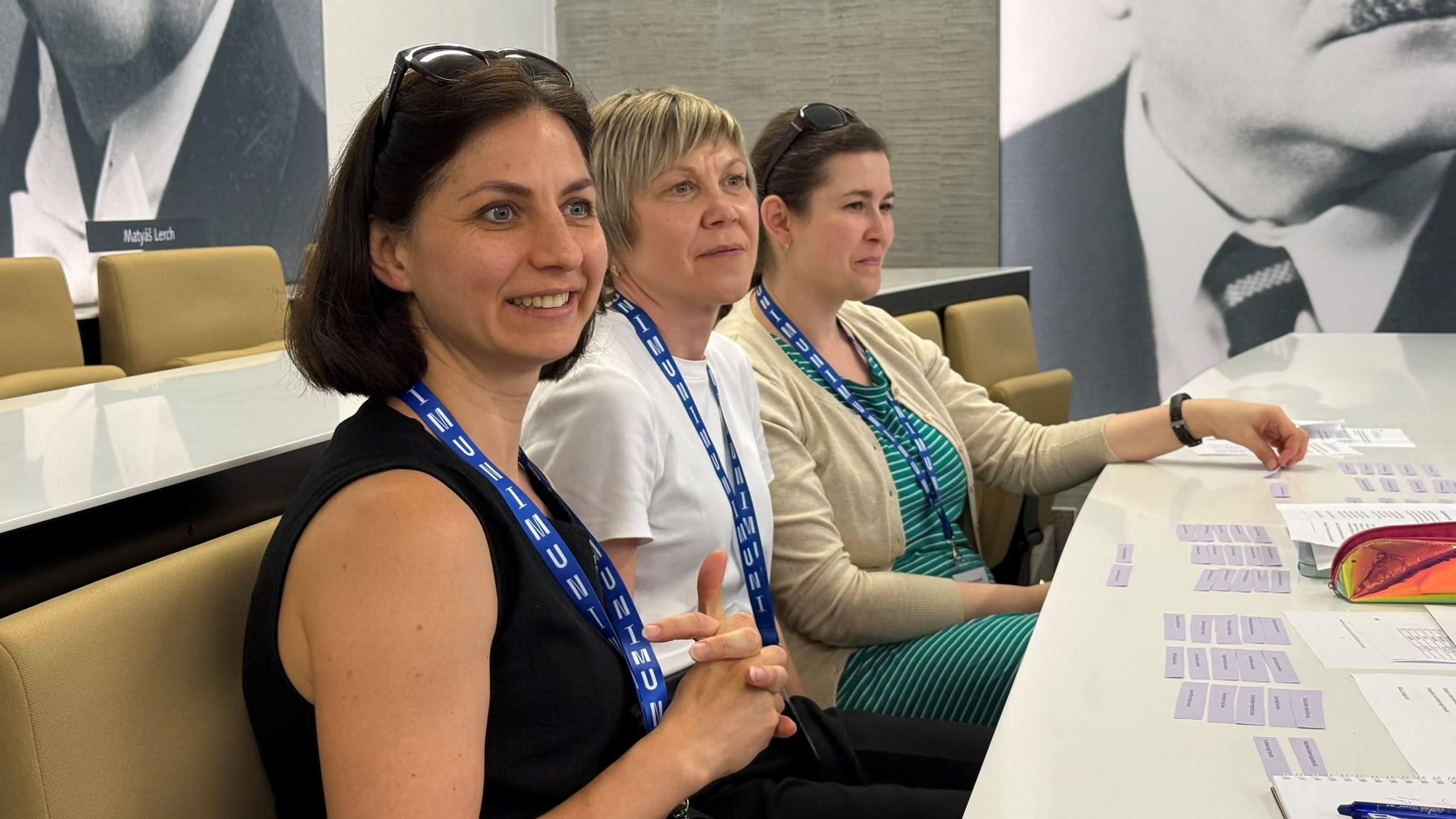
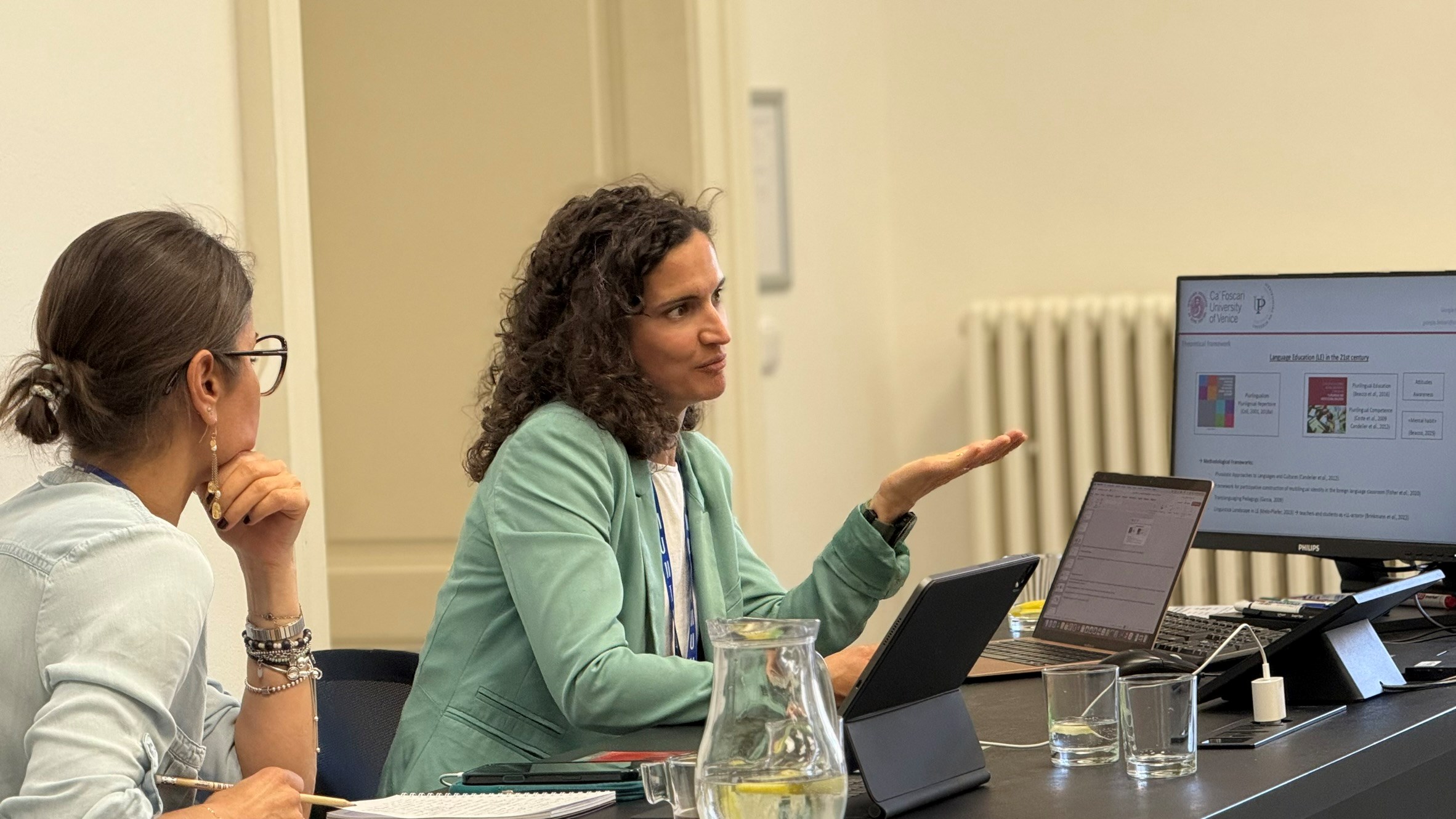
The second part of the programme was strongly oriented towards classroom practice. Contributions showcased concrete ways of integrating plurilingual approaches into teaching, ranging from the use of multiple languages within a single lesson to working with authentic materials and incorporating digital tools.
Participants were introduced to:
- activities that encourage flexible language use,
- tasks developing both receptive and productive skills in plurilingual contexts,
- approaches that treat linguistic diversity in the classroom as an asset rather than a barrier.
International Dialogue and Perspectives
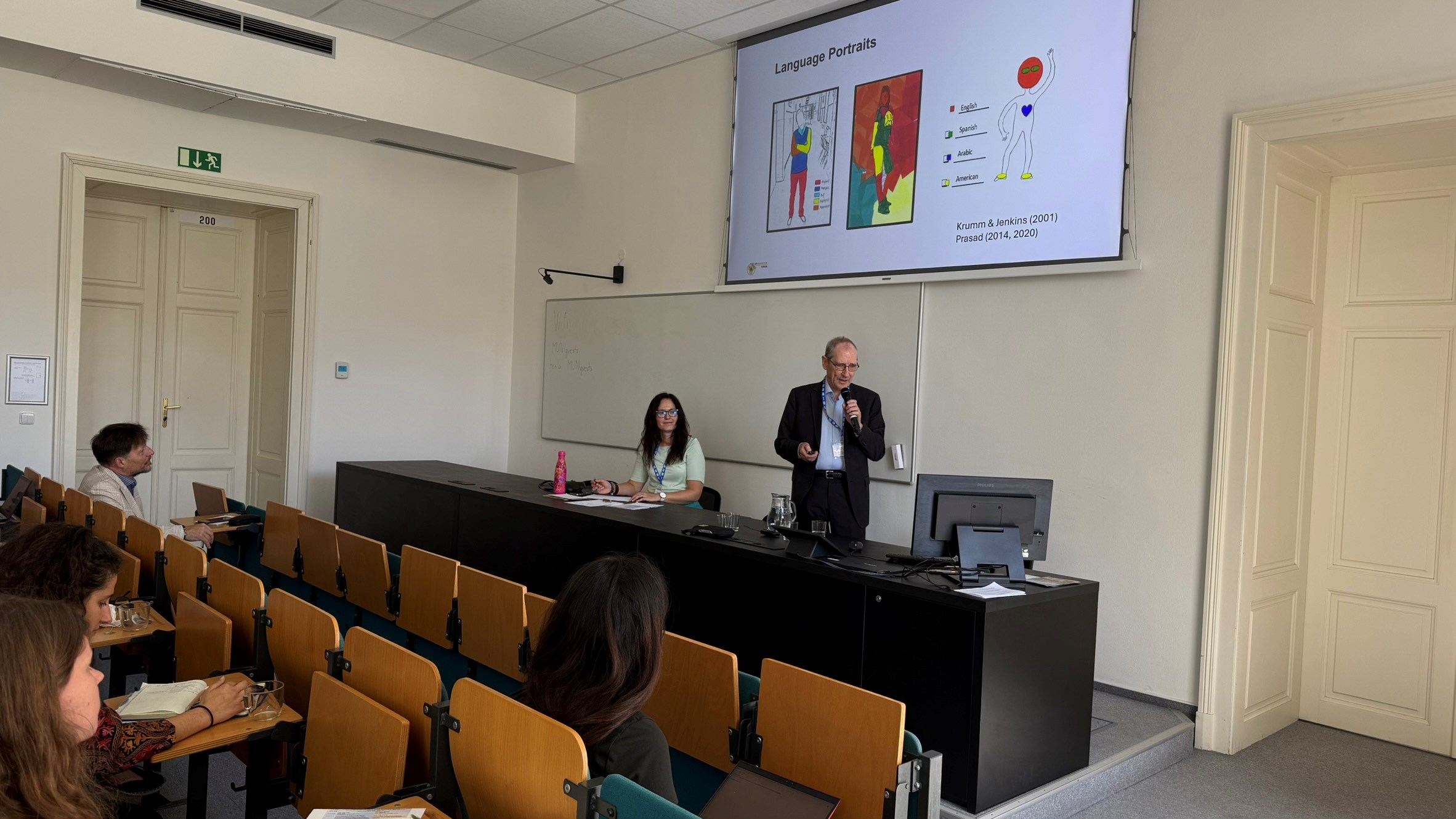
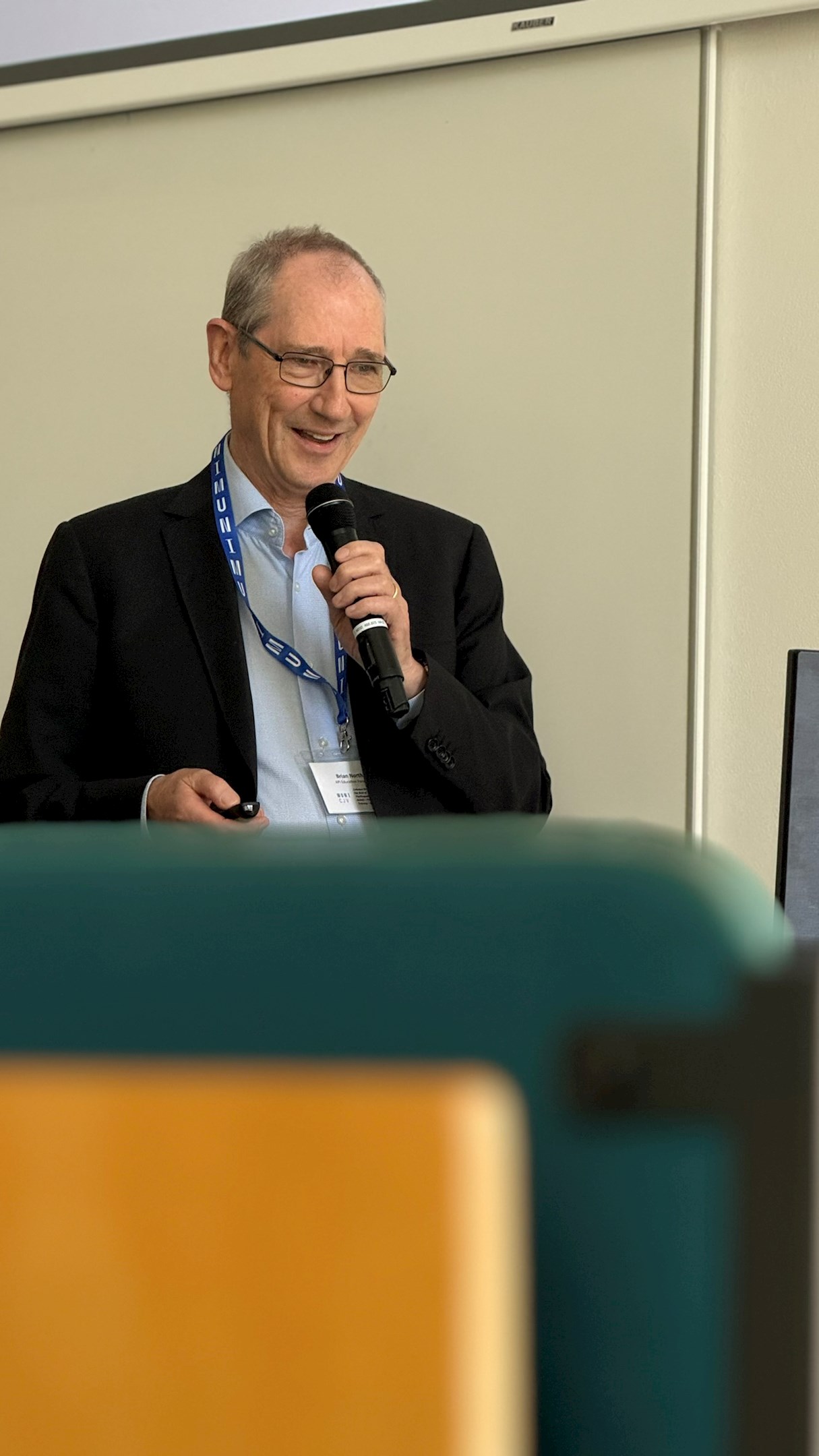
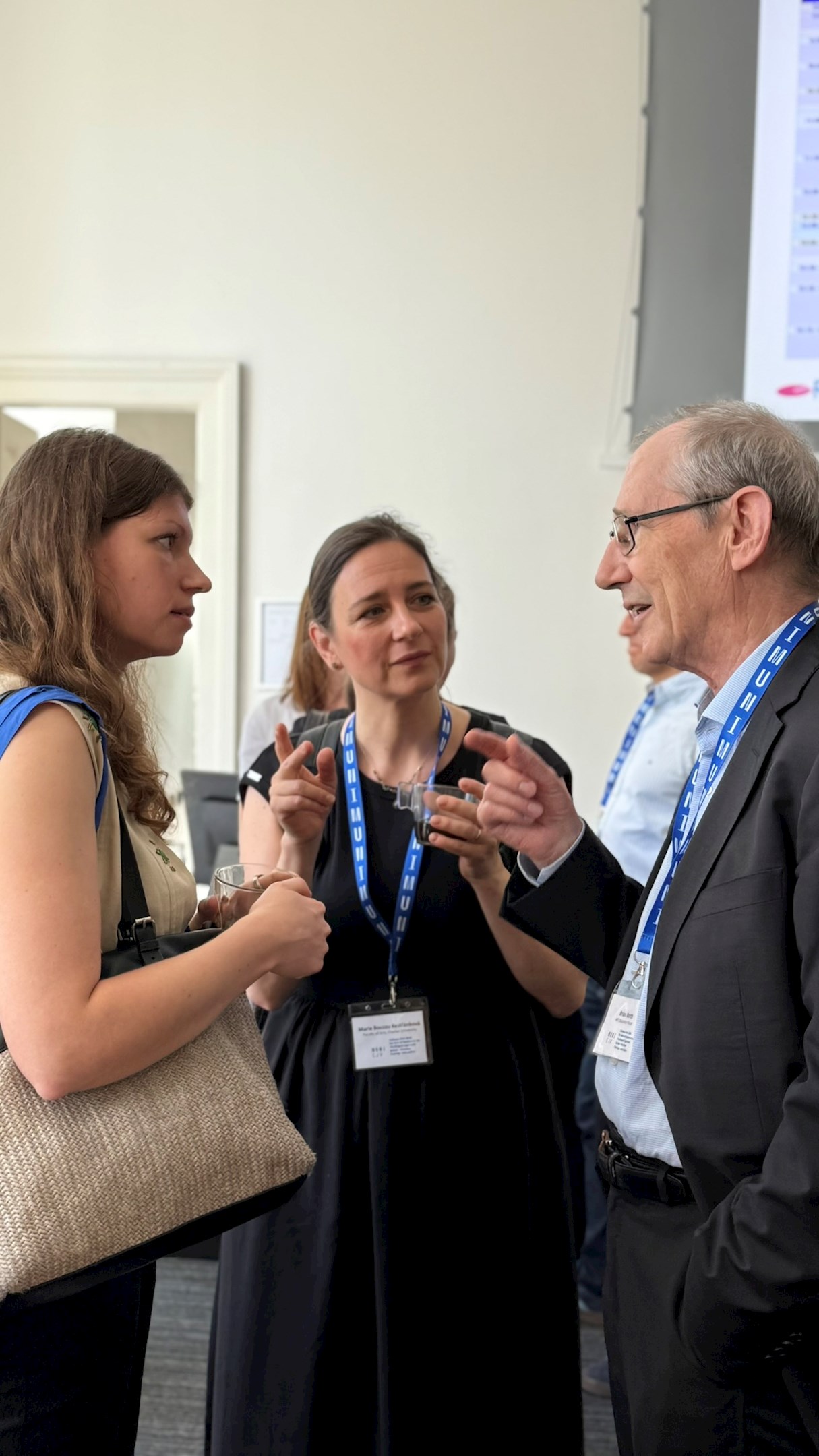
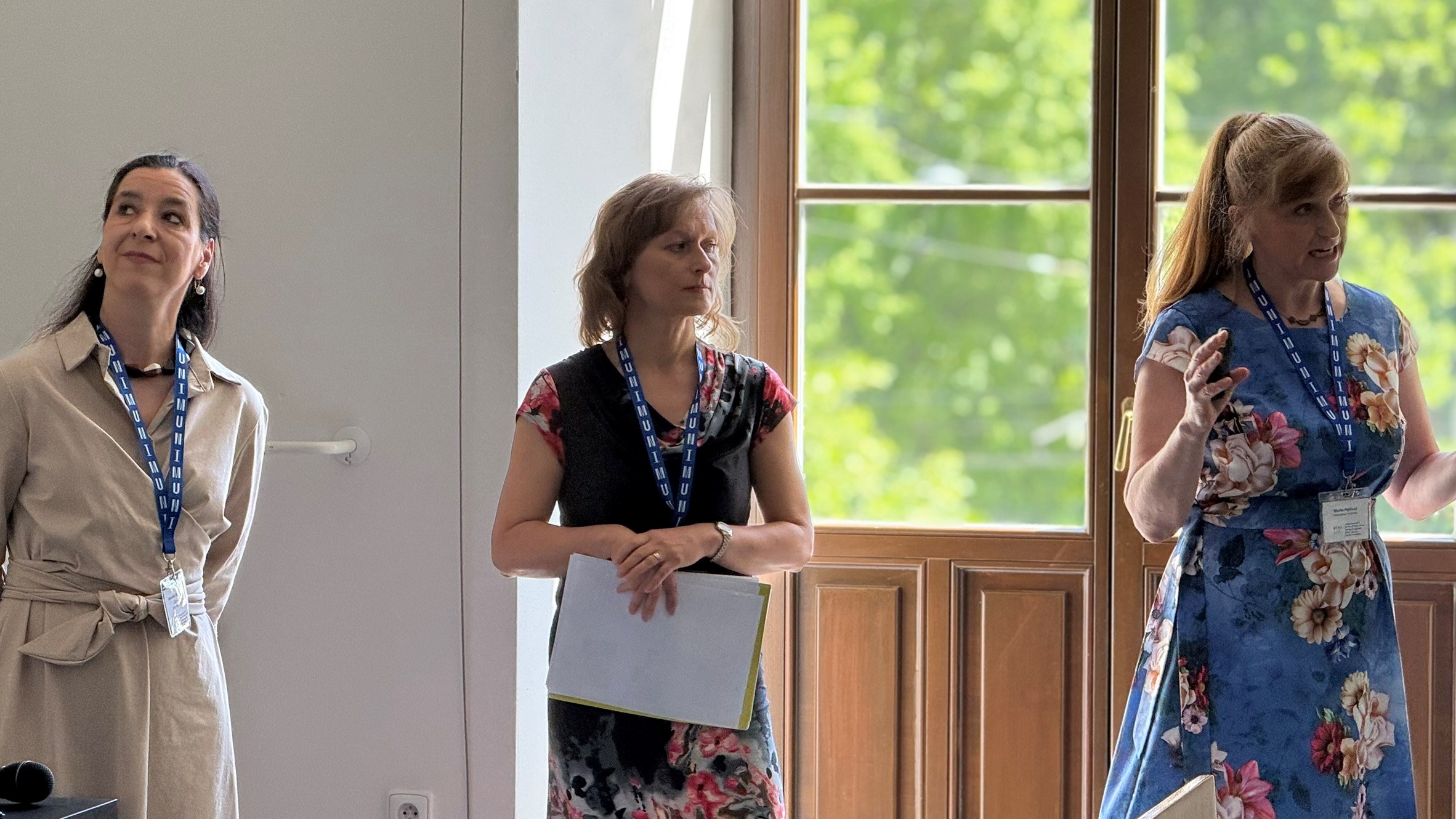
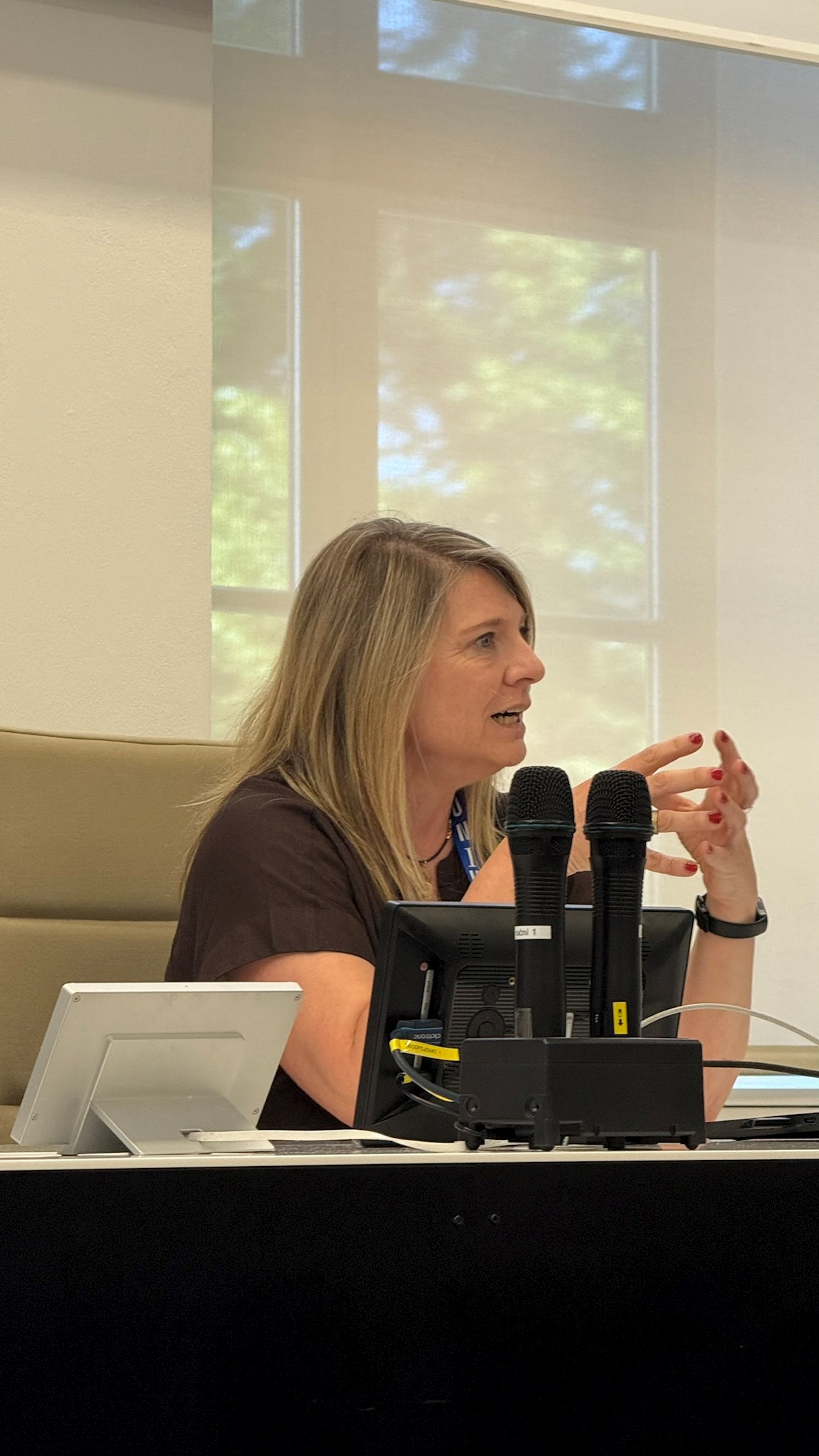
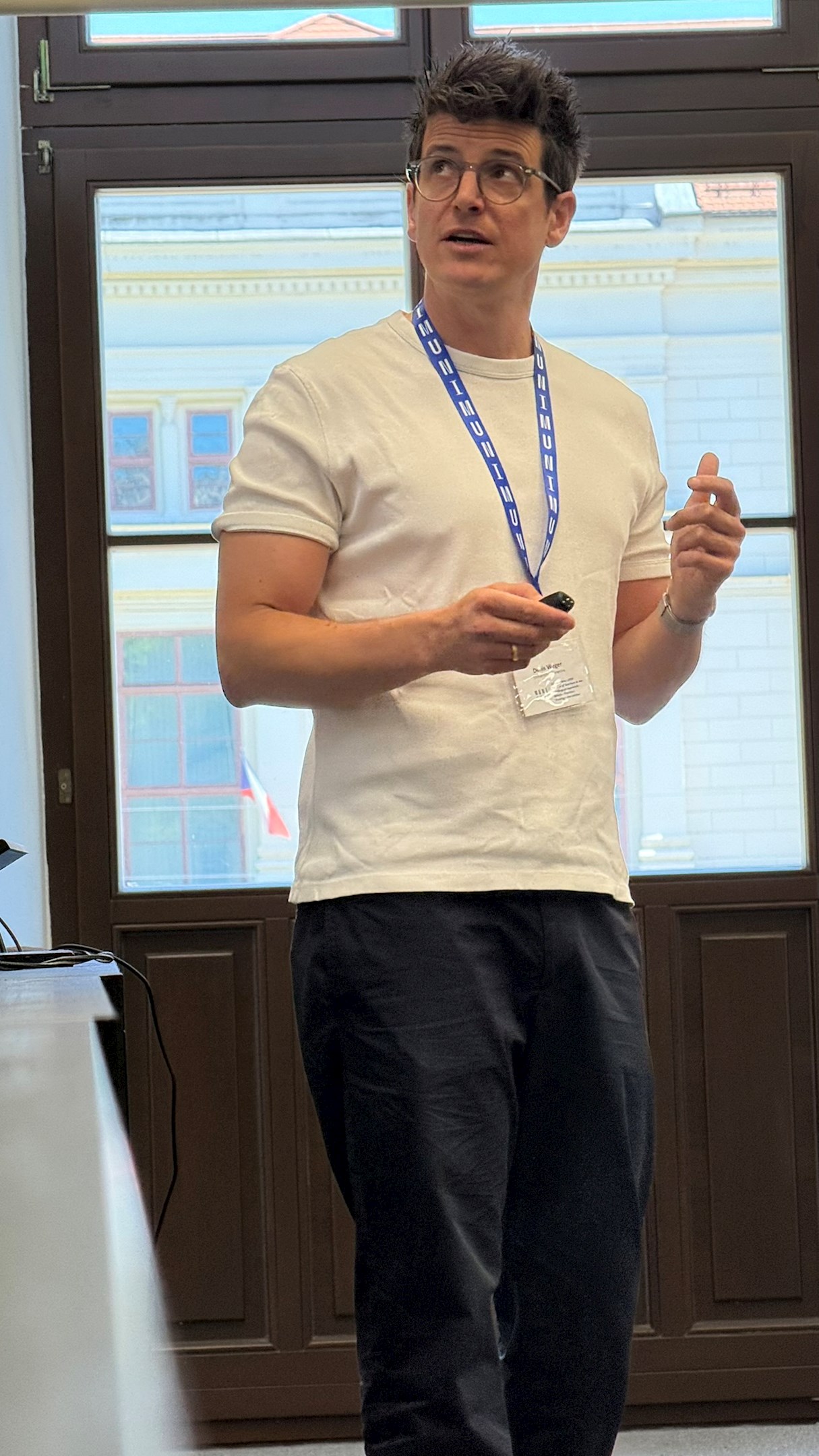
A key strength of the conference was its international dimension. The programme featured renowned experts and keynote speakers, including:
- Brian North, co-author of the CEFR,
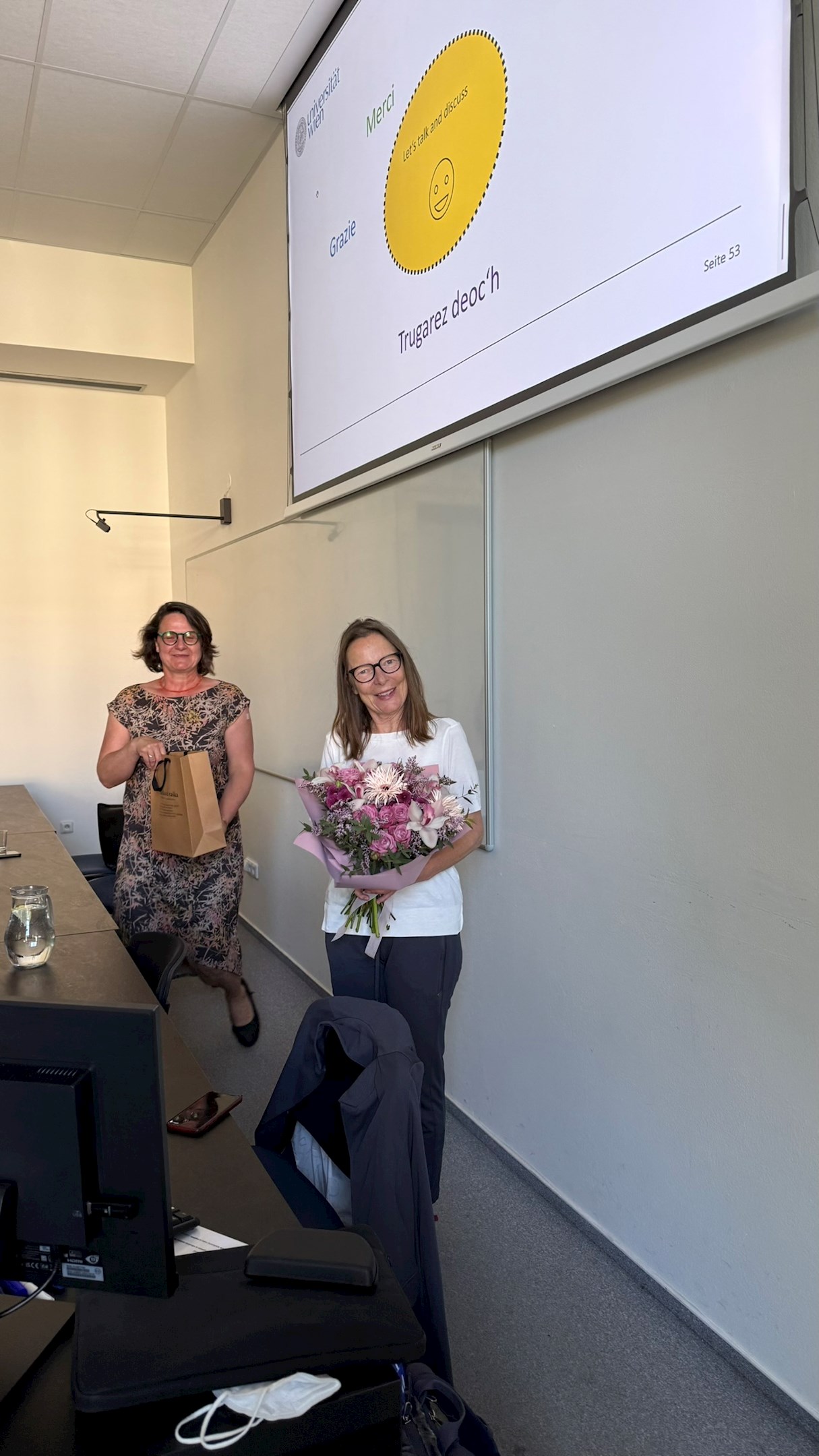
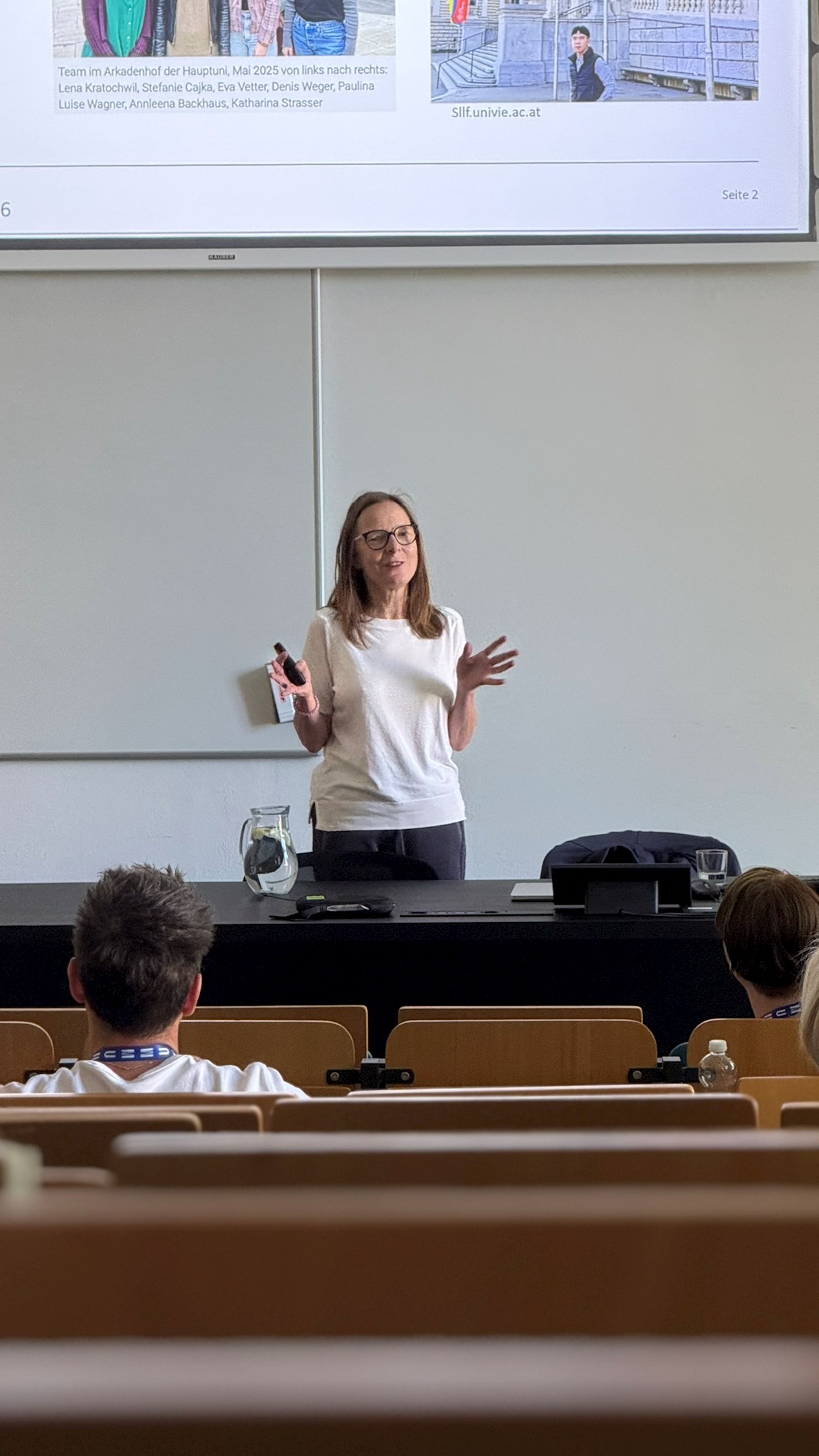
- Prof. Eva Vetter (University of Vienna),
- representatives of ministries and educational institutions,
- experts in language policy and educational inspection,
- practitioners and researchers from across Europe and beyond.
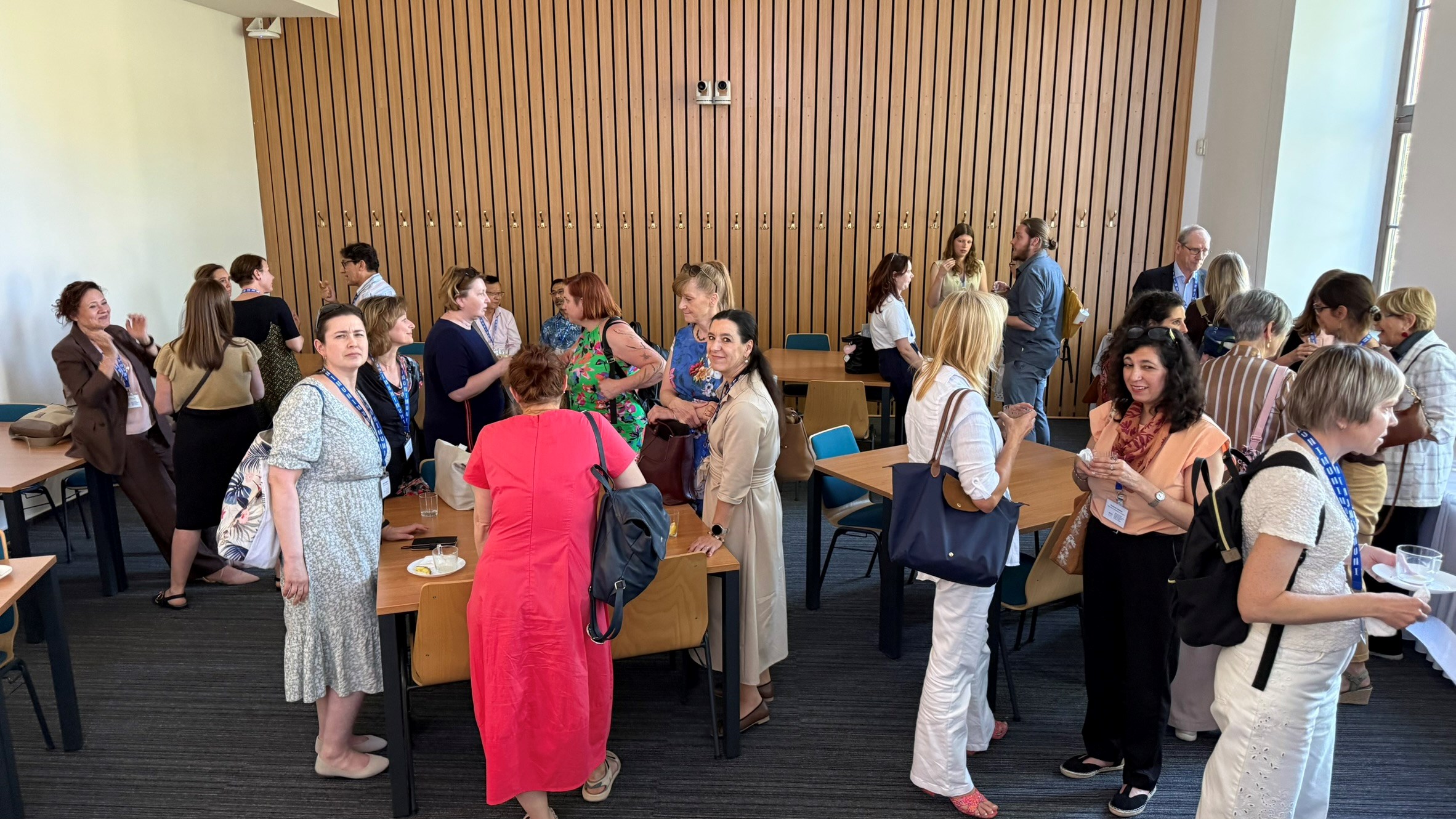
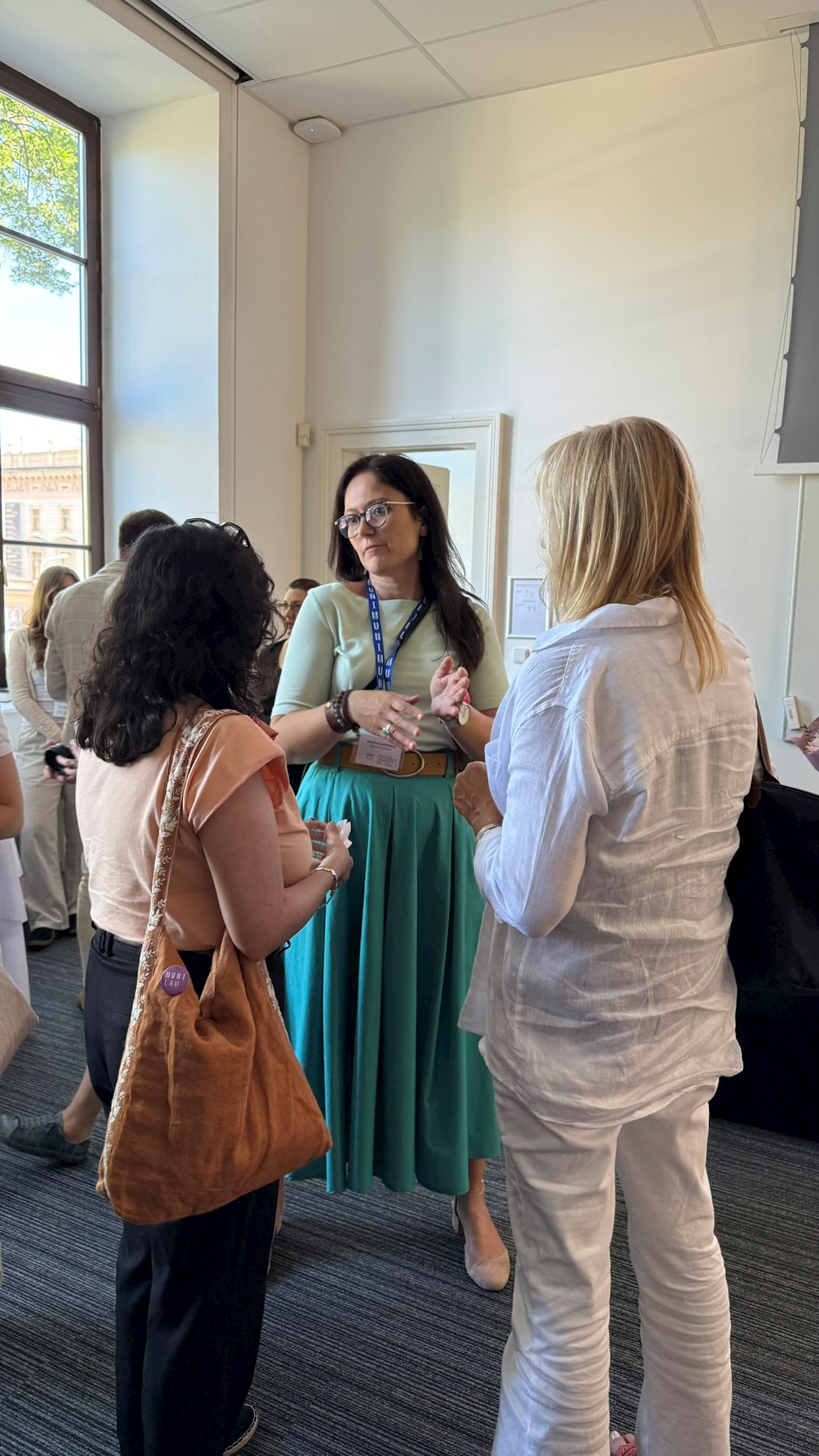
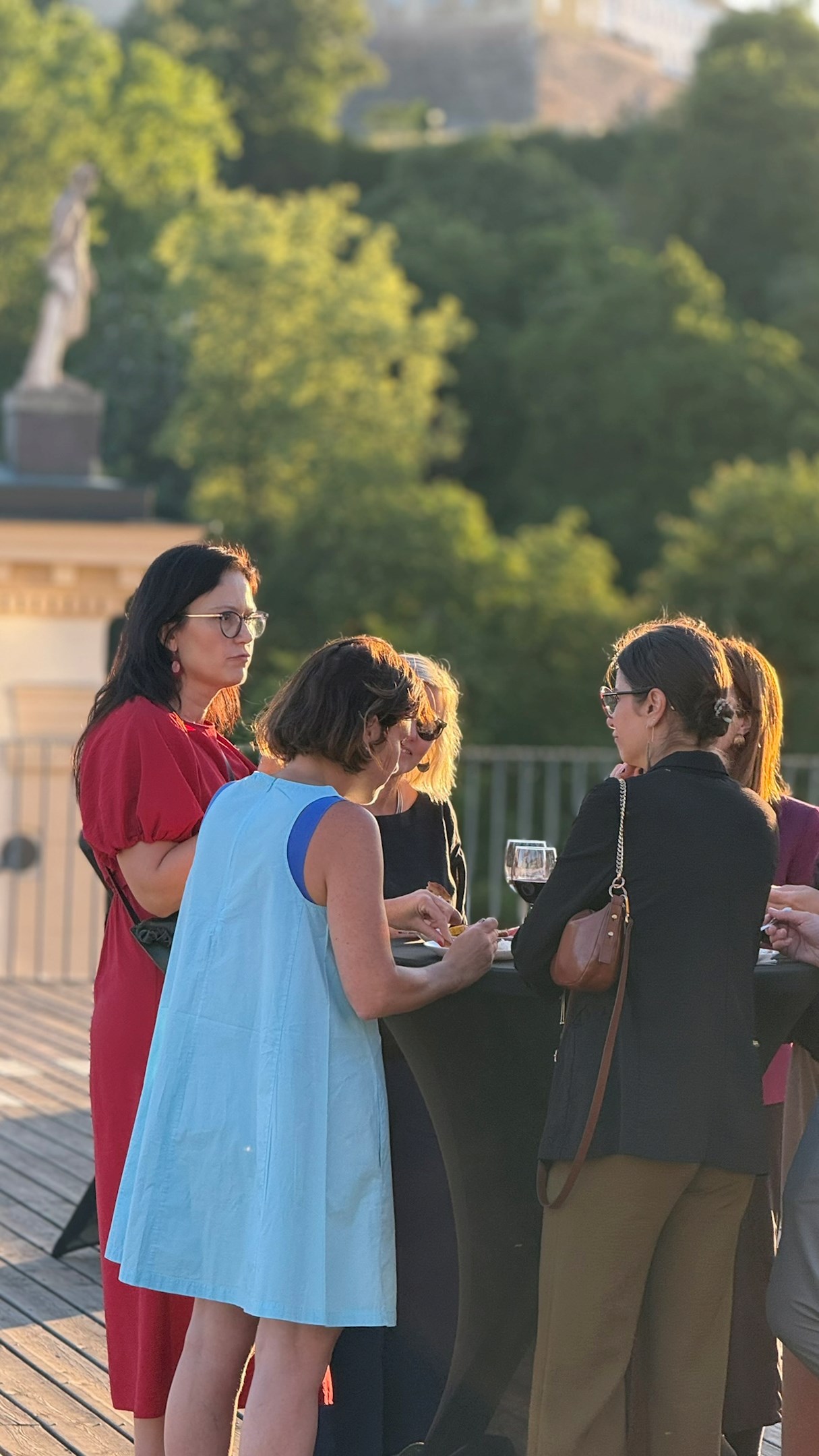
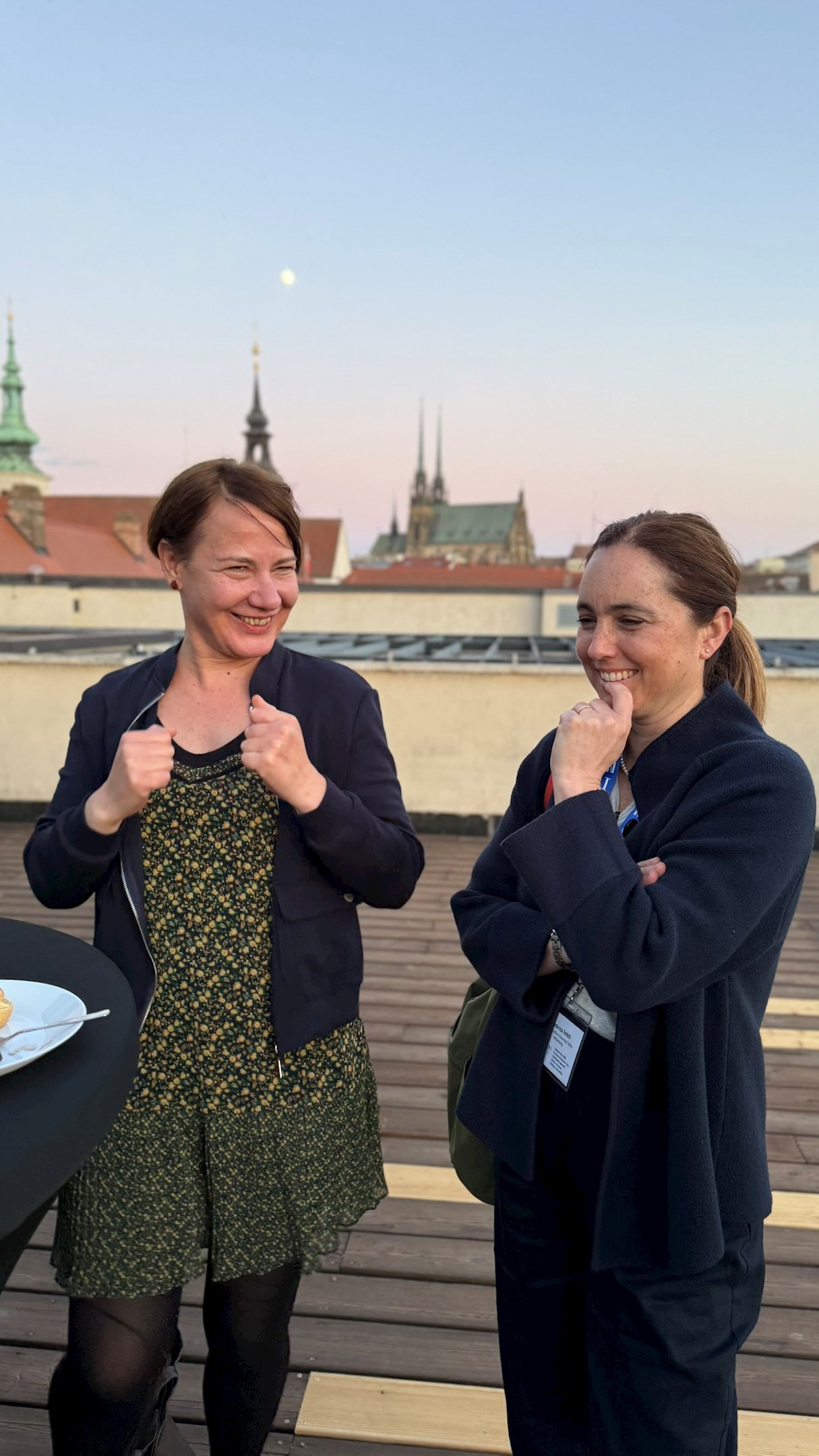
This diversity enabled a rich exchange of perspectives and connected research, practice, and policy-making within language education.
Key Takeaways
Colloque Brno 2026 demonstrated that the plurilingual approach is no longer a purely theoretical concept, but an increasingly embedded part of teaching and institutional strategies. The central challenge remains how to support this shift systematically — particularly through teacher education, collaboration, and the sharing of expertise.
The conference once again confirmed its role as a platform linking research, classroom practice, and educational policy, contributing to the development of inclusive and high-quality language education.